Indoor mushroom farming represents a groundbreaking approach to urban agriculture, transforming underutilized spaces into high-yield growing facilities. By leveraging controlled environments and innovative techniques, entrepreneurs can tap into a rapidly expanding market for fresh, gourmet, and medicinal mushrooms. This model not only addresses the demand for locally produced, nutrient-rich food but also exemplifies the synergy between technology and sustainable business strategies in dense cityscapes.
Advantages and Potential of Indoor Cultivation
Indoor mushroom operations boast several competitive advantages compared to traditional field cultivation:
- Year-round production free from seasonal fluctuations
- Minimal land requirements, enabling repurposing of basements, warehouses, and rooftops
- Reduced water usage through closed-loop irrigation systems
- Enhanced biosecurity with stricter controls against contaminants
- Ability to cultivate high-value species—such as oyster, lion’s mane, and shiitake—on demand
These benefits directly contribute to sustainability goals, lower operational risks, and improved profitability by stabilizing supply chains and commanding premium prices in urban markets.
Infrastructure and Technology Requirements
Building a robust indoor mushroom farm involves several key components, each optimized for maximum yield:
Climate Control and Ventilation
- Temperature regulation systems to maintain ideal growing ranges (typically 18–24°C)
- Humidity controls ensuring 85–95% relative humidity levels
- High-efficiency particulate air (HEPA) filters to prevent spore contamination
Vertical Farming and Growth Racks
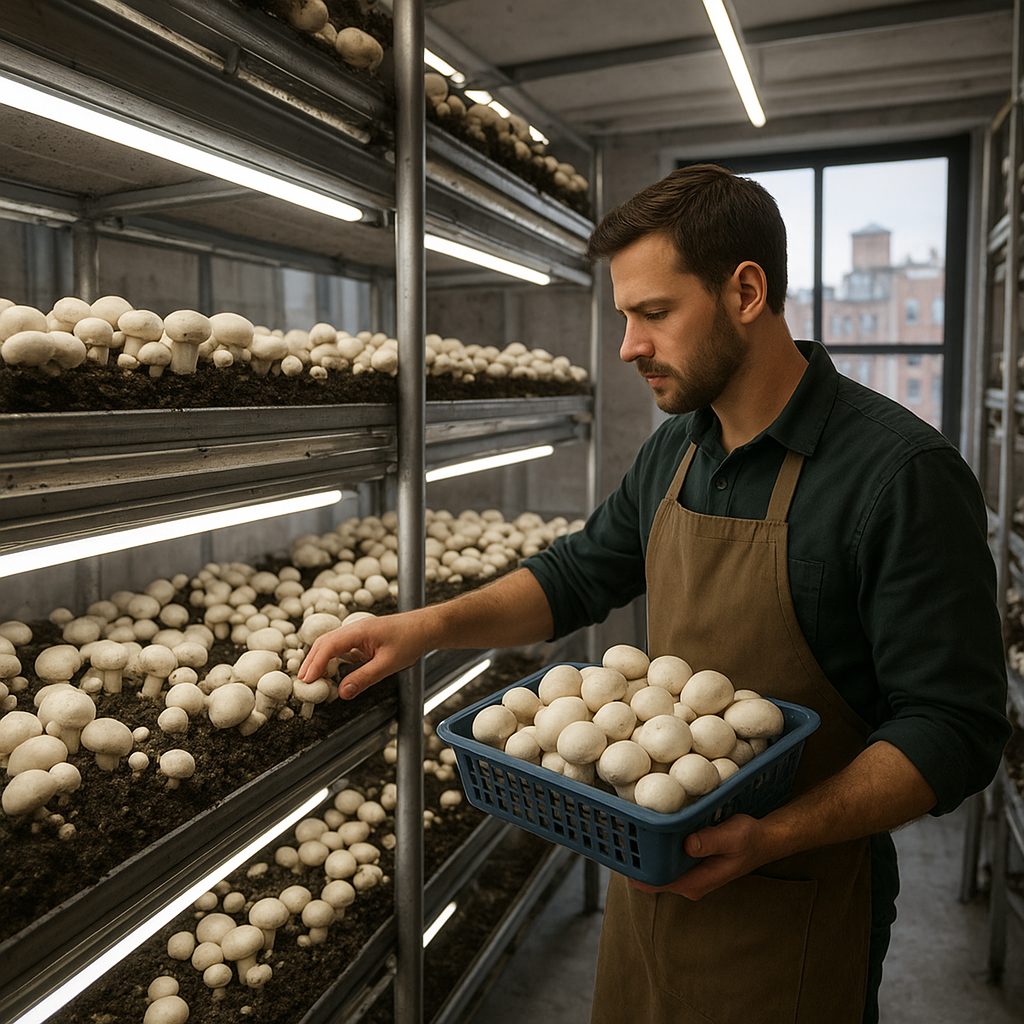
- Multi-tier shelving to multiply output per square meter
- Modular designs that adapt to various room sizes and shapes
- Integrated LED lighting tailored for mycelial colonization phases
Substrate Preparation and Automation
- Sterile pasteurization or sterilization chambers for substrate batches
- Automated mixing and filling equipment to improve consistency
- Precision dosing of supplements—such as grains or agricultural byproducts—to boost growth
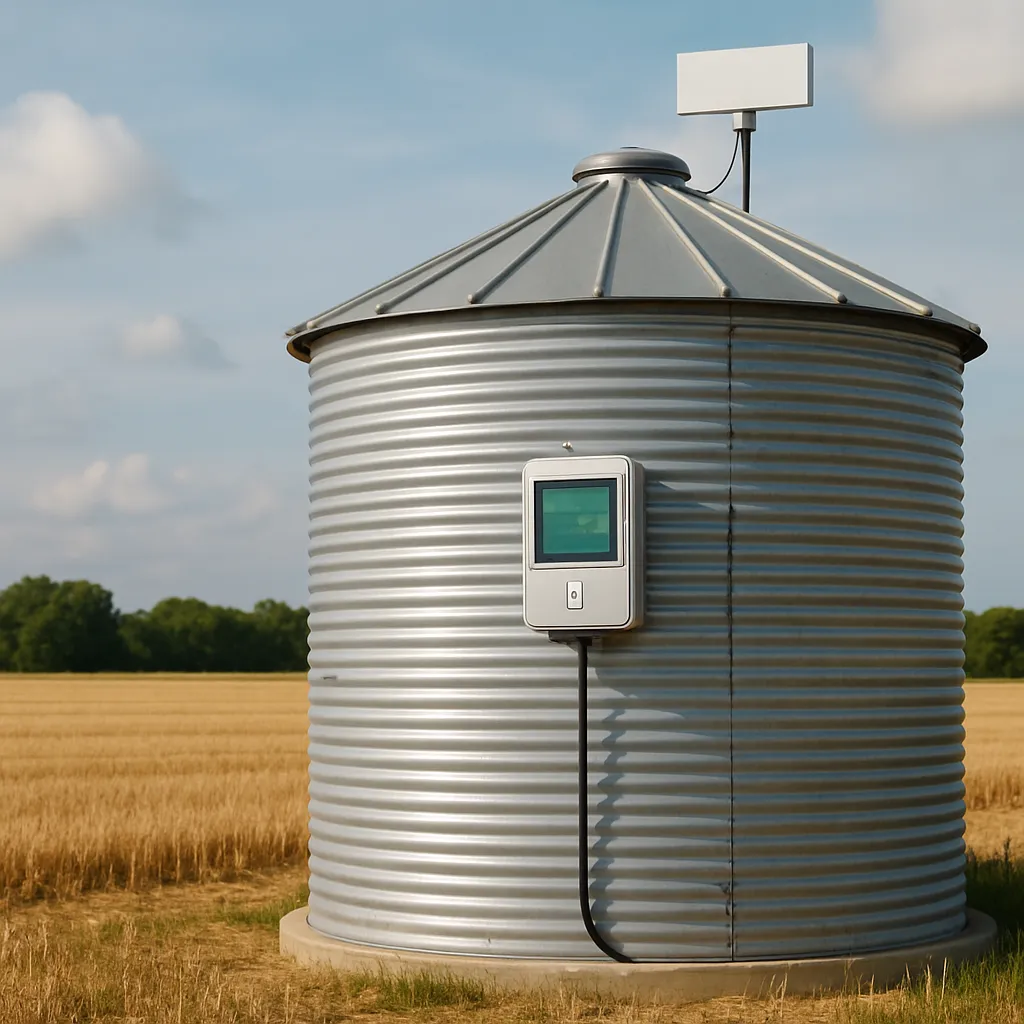
Advanced farms increasingly adopt robotic arms and IoT sensors, streamlining labor-intensive tasks and reinforcing automation as a cornerstone of modern cultivation.
Economic Viability and Investment Considerations
Successful indoor mushroom ventures hinge on a careful balance between upfront capital and ongoing operational expenses. Key cost elements include:
- Facility setup: HVAC systems, shelving, lighting, and sanitation equipment
- Consumables: substrate materials, spawn purchase, and packaging supplies
- Labor: technicians for spawn preparation, monitoring, and harvesting
- Energy: electricity for climate systems and lighting
- Regulatory compliance: licensing, inspections, and quality assurance
Despite these expenditures, indoor mushroom farms can yield attractive returns. With efficient resource management, producers often achieve a payback period of 18–36 months. Varietal choices and market segmentation further impact return on investment. Premium culinary and medicinal strains typically command higher margins, especially when sold directly to upscale restaurants, farmers’ markets, or through subscription-based delivery services.
Challenges and Innovative Solutions
While the business model is promising, operators must confront several obstacles:
- Contamination risks from molds, bacteria, and competing fungi
- Stringent local regulations governing food safety and waste disposal
- Inconsistent spawn quality leading to batch failures
- Urban zoning restrictions affecting facility expansion
Emerging solutions address these hurdles head-on. Ultraviolet (UV-C) sterilization lamps and ozone generators help maintain pristine growing chambers. Collaborative partnerships with research institutions yield improved spawn and novel substrate formulations. Moreover, digital traceability platforms enhance transparency and streamline compliance, fostering consumer trust in a market where authenticity matters.
Market Opportunities and Scaling Strategies
Urban mushroom farms can diversify revenue streams by exploring value-adding avenues:
- Fresh and dried mushroom sales to grocers, restaurants, and direct-to-consumer channels
- Specialty products such as mushroom powders, extracts, and functional food supplements
- Educational workshops, agritourism experiences, and urban farming consultancy services
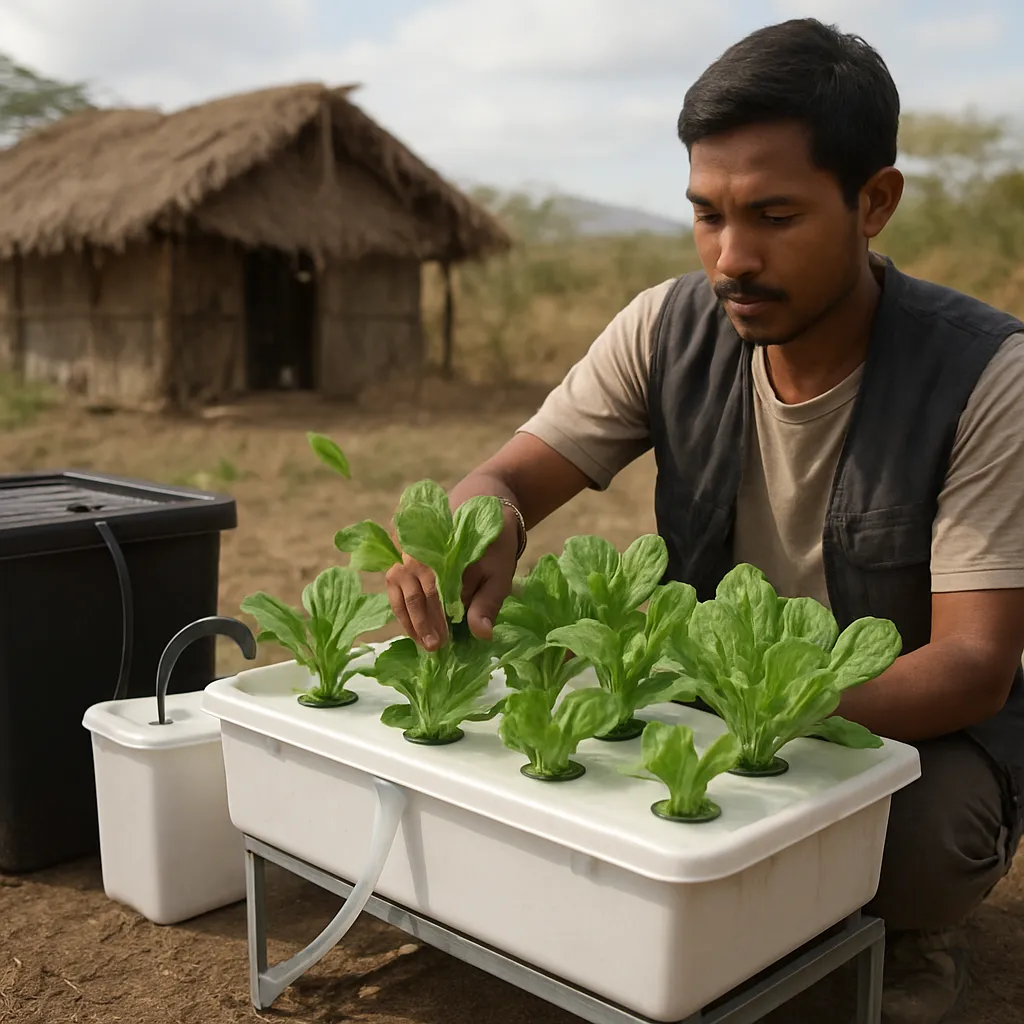
- Collaborations with vertical farms and hydroponic operations for integrated vertical farming ecosystems
Scaling from a small pilot facility to a multi-site network demands strategic planning. Key recommendations include:
- Investing in scalable infrastructure that accommodates modular growth
- Leveraging data analytics to optimize crop scheduling and resource allocation
- Forming co-ops or alliances to enhance purchasing power for bulk substrates
- Engaging in community-supported agriculture (CSA) programs to secure recurring revenue
As cities worldwide seek resilient food systems, indoor mushroom cultivation stands out for its low footprint and high output. Innovators willing to navigate technical complexities and market dynamics can unlock significant value in the rapidly evolving domain of urban agriculture.