Small farms in many regions face erratic rainfall patterns and limited access to reliable water sources. Implementing effective rainwater harvesting solutions can transform these operations, offering resilient methods to collect, store, and utilize water. This article delves into practical aspects of designing systems, building infrastructure, and adopting best practices that empower farmers to maximize yield while preserving vital resources.
Understanding the Role of Rainwater Harvesting in Sustainable Agriculture
Adopting rainwater harvesting techniques helps farmers mitigate the impacts of drought, reduce dependence on external water supplies, and improve crop resilience. Smallholder farmers often struggle with seasonal fluctuations that threaten food security and livelihoods. Integrating low-cost collection systems into farm infrastructure can provide a dependable source of water during dry spells. Beyond immediate benefits, this approach encourages sustainability by aligning production with natural hydrological cycles and minimizing runoff-related erosion and pollution.
Key drivers for implementation include:
- Reducing vulnerability to water scarcity
- Lowering irrigation costs and energy consumption
- Enhancing soil moisture retention for better plant growth
- Promoting agriculture that coexists with local ecosystems
Core Components and Design Considerations
Effective rainwater harvesting encompasses several critical elements. Farm managers must evaluate local climate patterns, roof or ground catchment surfaces, conveyance paths, storage options, and water distribution systems. Each component influences overall efficiency and longevity of the installation.
Catchment Surfaces and Conveyance
- Catchment areas: Roofs, paved yards, and specialized terraces channel rainfall.
- Gutters and downspouts: PVC or metal ducts that direct water flow without contamination.
- First-flush diverters: Simple mechanisms that discard initial runoff, preventing debris and roof residues from entering tanks.
Filtration and Pre-Treatment
Implementing multi-stage filters—mesh screens, sedimentation chambers, and charcoal—ensures that collected water is suited for both irrigation and, where feasible, domestic use. Pre-treatment reduces the risk of clogging drip systems, protects pumps, and improves overall water quality.
Storage Solutions
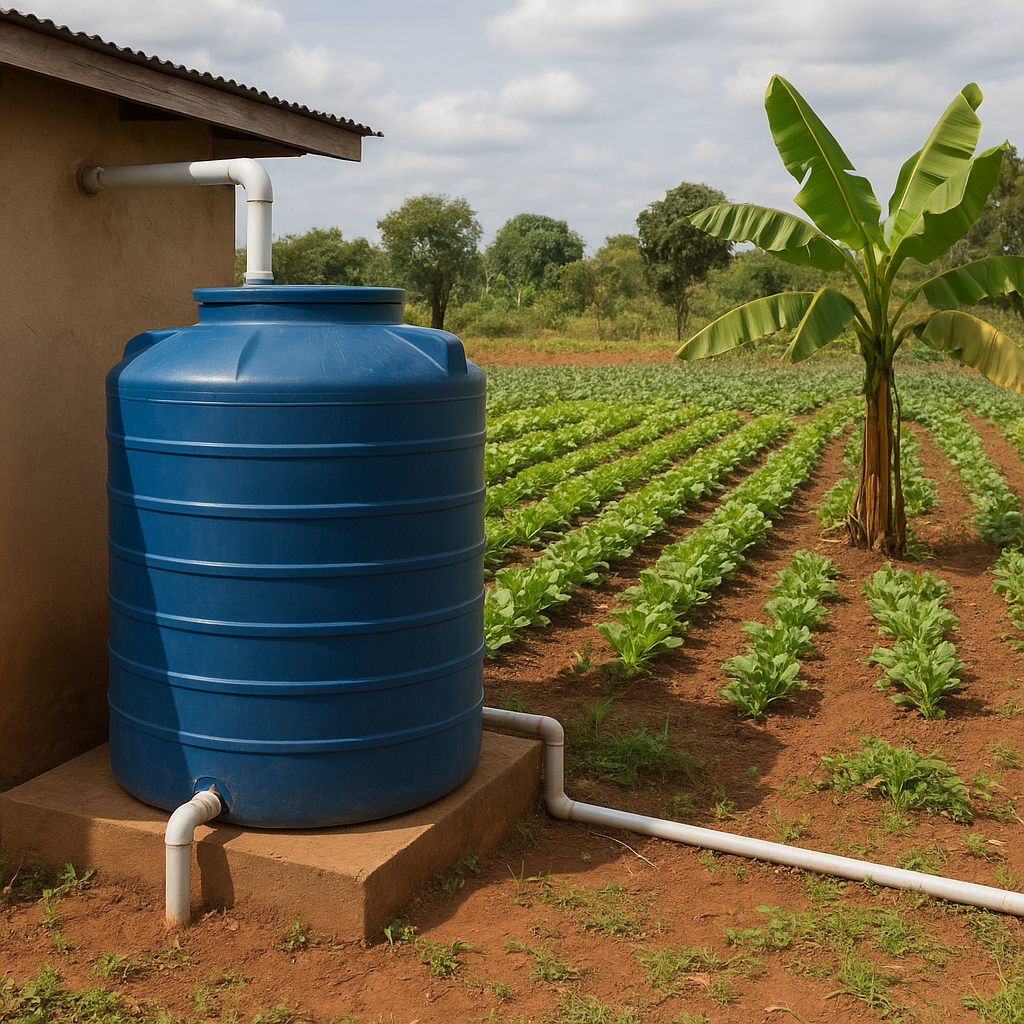
- Plastic or ferrocement tanks: Affordable and customizable to varying capacities.
- Polyethylene bladders: Flexible, lightweight options for temporary storage or field deployment.
- Underground cisterns: Offer stable temperatures, reduced evaporation, and minimal land footprint.
Appropriate storage sizing depends on expected rainfall, catchment area, and crop water requirements. Accurate calculations ensure that neither capacity nor budget is wasted on undersized or oversized reservoirs.
Implementation Strategies and Best Practices
Effective deployment demands a blend of technical knowledge, community engagement, and adaptive management. Training workshops and farmer-to-farmer exchanges foster knowledge transfer, while participatory planning ensures solutions match local conditions.
Site Assessment and Planning
- Topographical surveys: Identify slopes, drainage patterns, and optimal tank locations.
- Soil analysis: Determine infiltration rates and potential for dual-purpose recharge pits.
- Water demand profiling: Align storage volumes with crop calendars and livestock needs.
Construction and Installation
- Engage local labor and materials: Reduces costs and builds community ownership.
- Modular design: Facilitates phased expansion as resources permit.
- Quality control: Regular inspections of seals, joints, and structural integrity to prevent leaks.
Maintenance and Adaptation
Routine cleaning of gutters and filters, periodic tank desilting, and seasonal system checks prolong service life. Monitoring water levels and usage patterns informs adjustments, such as adding overflow channels or upgrading pumps. Adopting simple data logs or mobile apps enables farmers to track performance and anticipate repairs.
Challenges, Opportunities, and Future Prospects
While rainwater harvesting offers clear advantages, smallholders face obstacles such as limited capital, lack of technical expertise, and policy constraints. Addressing these challenges requires a holistic approach:
- Financial incentives: Microcredit programs and subsidies for approved tank designs.
- Extension services: Government and NGO collaboration to provide on-site support.
- Regulatory frameworks: Standards for system safety, water quality, and land use.
Emerging technologies—remote sensing for rain prediction, low-cost sensors for real-time monitoring, and community-based digital platforms—present exciting opportunities. Integrating solar-powered pumps, automated valves, and precision irrigation can further optimize water distribution. Linking smallholder networks through cooperatives or water user associations fosters collective bargaining and knowledge sharing, strengthening resilience at the landscape level.
Ultimately, investing in robust rainwater harvesting systems empowers farmers to harness nature’s supply, build climate resilience, and enhance productivity. By combining practical design, stakeholder engagement, and continuous innovation, these solutions can play a pivotal role in securing water for agriculture and sustaining rural livelihoods.