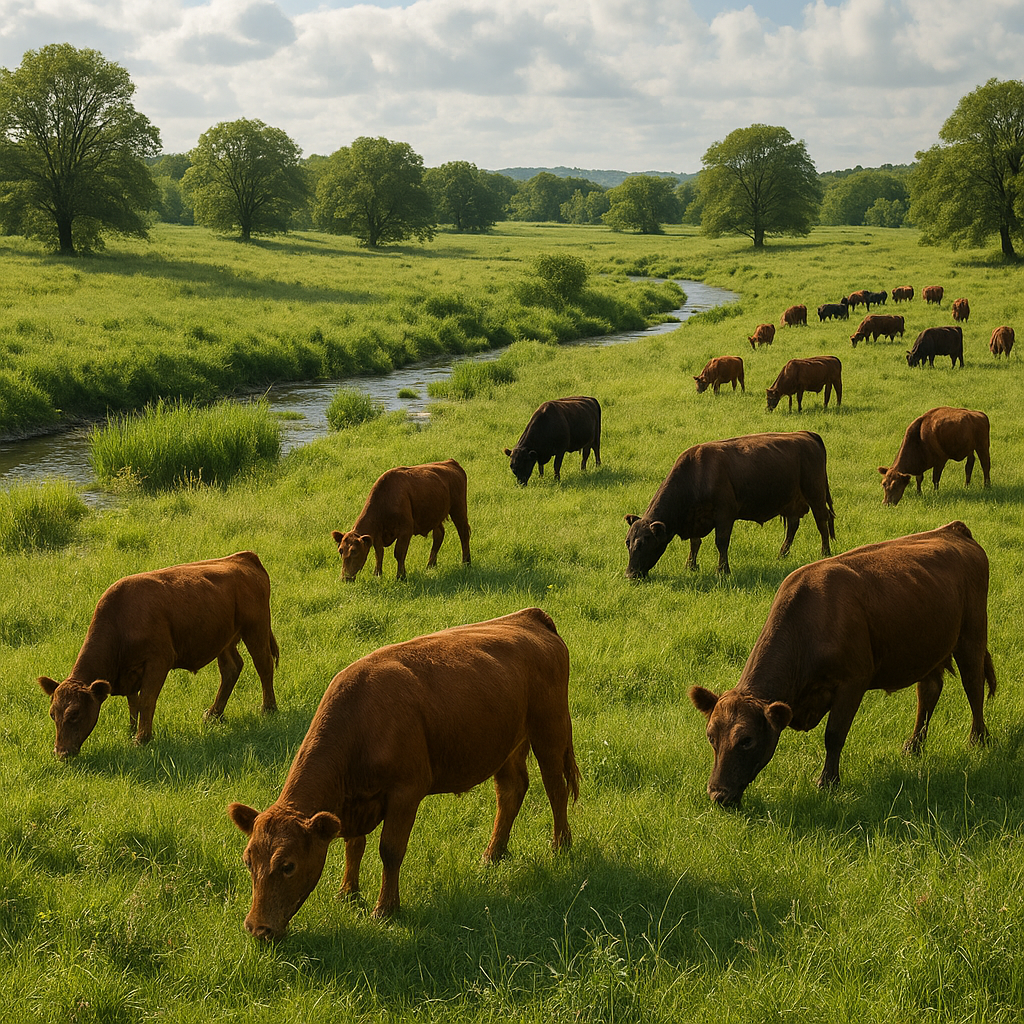
Regenerative grazing is gaining attention as a powerful approach to rebuild degraded landscapes and enhance agricultural productivity. By integrating ecological principles into livestock management, farmers can restore soil fertility, increase biodiversity, and boost long-term profitability. This article explores key strategies, benefits, and practical steps for applying regenerative grazing to revive rural ecosystems.
Principles of Regenerative Grazing
At the core of regenerative grazing lies the commitment to treat land as a living system rather than a production line. Emphasizing regenerative practices means mimicking natural herd movements, allowing pastures time to rest, and ensuring continuous ground cover. This holistic approach revolves around several interrelated principles:
- Holistic management: Planning livestock movements based on plant recovery cycles, weather patterns, and animal needs.
- Plants and animals in synergy: Encouraging diverse pasture species, from grasses to legumes, to foster biodiversity.
- Adaptive decision-making: Regular monitoring of plant health and adjusting stocking density accordingly.
- Soil as the foundation: Prioritizing practices that improve soil health, structure, and microbial activity.
- Integrating fauna: Providing habitat for beneficial insects, birds, and wildlife that contribute to balanced ecosystems.
Implementing Adaptive Multispecies Grazing
Introducing multiple livestock species into a grazing system can enhance nutrient cycling and pest control. For example, sheep and cattle grazing together target different plant heights and species, reducing competition and promoting uniform forage use. To implement this strategy effectively, consider the following steps:
- Define grazing cells: Divide pastures into smaller paddocks to facilitate frequent moves, known as pasture rotation.
- Match species with forage: Align animal dietary preferences with plant composition to maximize forage utilization.
- Adjust stocking rates: Monitor animal performance and pasture regrowth to avoid overgrazing or underutilization.
- Provide mobile water and shade: Invest in portable troughs and temporary shelters to support flexible grazing plans.
- Record and review: Keep detailed logs of pasture recovery, rainfall, and animal health to refine grazing schedules.
By rotating livestock through multiple paddocks in short bursts, plants get adequate time to recover, deep roots develop, and the soil structure improves. Over time, this method leads to denser forage cover and stronger root networks that lock in carbon.
Impact on Carbon Sequestration and Water Management
Well-managed regenerative grazing systems can significantly enhance carbon sequestration by capturing atmospheric CO₂ in the soil. As plant roots grow deeper and organic matter accumulates, soils become rich carbon reservoirs. Additionally, increased soil aggregation improves water retention, offering resilience against drought and flooding.
- Enhanced root biomass: Rested pastures allow roots to penetrate further, storing more carbon underground.
- Improved infiltration: Healthy soils with abundant organic matter let rainfall percolate instead of running off.
- Reduced erosion: Continuous ground cover and diversified forage minimize soil loss during heavy rains.
- Microbial activity boost: Diverse root exudates feed soil microbes that assist in nutrient cycling.
- Climate adaptation: Soils rich in carbon and moisture help pastures withstand extreme weather swings.
Farmers who invest in these soil-centric practices often observe higher water tables, reduced irrigation needs, and more stable yields year after year.
Supporting Farm Resilience and Economic Viability
Transitioning to regenerative grazing can yield tangible economic and social benefits. By enhancing ecosystem services, producers often realize cost savings on fertilizers, irrigation, and veterinary inputs. Key advantages include:
- Sustainability of inputs: Healthy pastures require fewer chemical amendments thanks to natural nutrient cycling.
- Diversified income streams: Opportunities for agro-tourism, carbon credits, and premium branding for eco-friendly products.
- Reduced risk exposure: Resilient pastures buffer against market and climate fluctuations through stable forage availability.
- Community engagement: Sharing knowledge across neighboring farms fosters a culture of collaboration and innovation.
- Improved animal welfare: Varied grazing environments promote healthier livestock, lowering disease incidence and boosting weight gains.
In many regions, government incentives and conservation grants further support the shift toward regenerative systems, making initial investments more manageable for farmers and ranchers.
Advancing Long-Term Ecosystem Revival
The ultimate goal of regenerative grazing is to establish a self-sustaining cycle that benefits both agriculture and the environment. Over years, continuous practice leads to thicker topsoil, richer wildlife habitats, and stronger links between soil, plant, and animal health. Farmers who adopt these strategies report transformative changes:
- Profound improvements in pasture productivity and forage quality.
- Noticeable upticks in native pollinator and bird populations.
- Measurable increases in on-farm stored carbon, contributing to climate mitigation.
- Heightened sense of stewardship as land owners see tangible ecosystem recovery.
By viewing land through an ecological lens, regenerative grazing transcends conventional agriculture, cultivating a future where productive farms and thriving landscapes coexist in harmony.