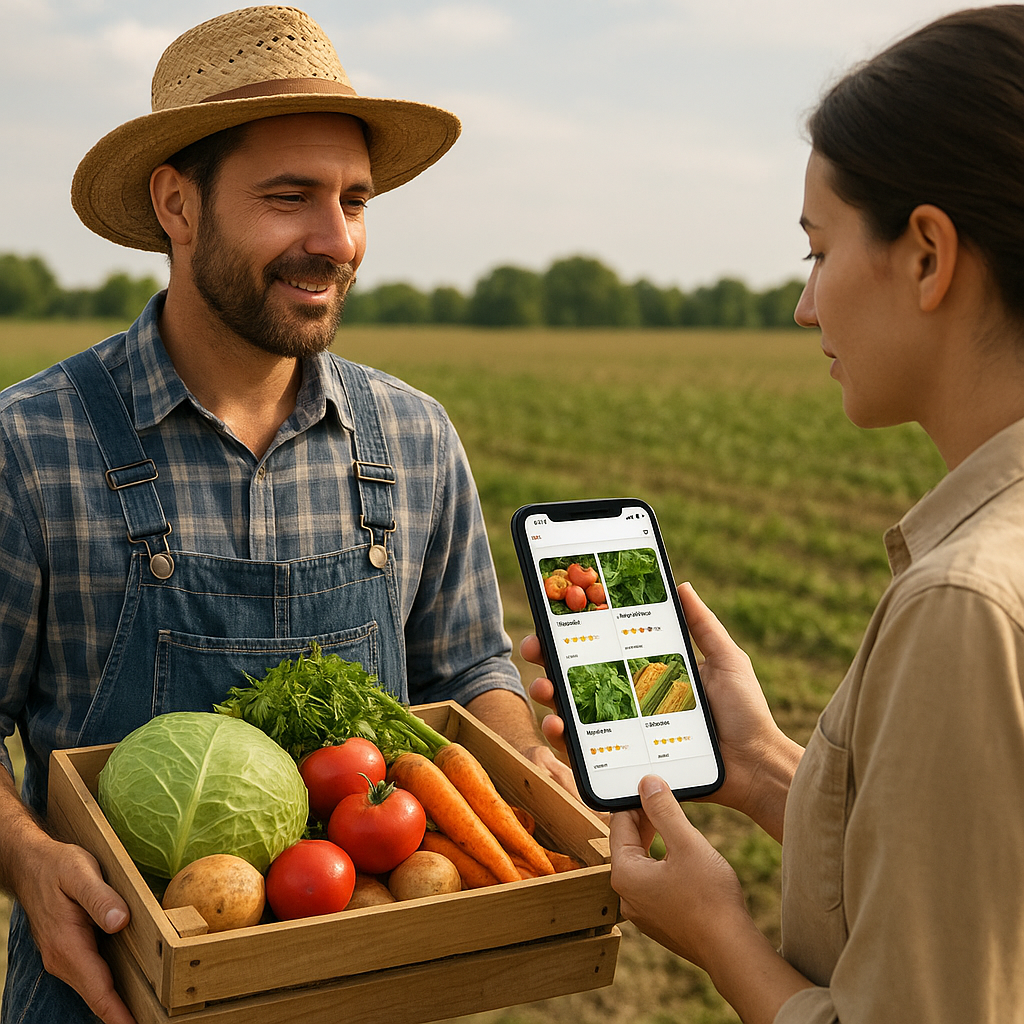
Agriculture is experiencing a paradigm shift as mobile marketplaces enable direct interaction between farmers and buyers. By leveraging digital tools, stakeholders in the rural economy gain unprecedented connectivity and access to new opportunities. These platforms foster transparency in pricing, improve overall efficiency, and ultimately boost farm yield. This article explores the challenges smallholders face, the benefits of mobile marketplaces, key platform features, real-world success stories, and emerging trends shaping the future of farm-to-market trade.
Market Challenges Facing Smallholder Farmers
Small-scale producers often struggle with fragmented demand and limited market access. Traditional middlemen may exploit information asymmetries, keeping farmers uninformed about fair market rates. Poor road networks, unreliable logistics, and seasonal fluctuations further fragment the supply chain.
Key obstacles include:
- Lack of price discovery mechanisms leading to unpredictable earnings
- Limited bargaining power when selling to distant urban buyers
- High transaction costs imposed by multiple intermediaries
- Insufficient market intelligence on demand trends and consumer preferences
- Barriers to entry for modern digital payments and financing products
These hurdles inhibit farmers’ growth and often force them to sell at suboptimal times or accept low prices simply to avoid waste after harvest. As a result, many producers remain trapped in cycles of poverty, unable to reinvest in quality inputs or adopt climate-smart practices.
Advantages of Mobile Marketplaces
Mobile applications tailored to agriculture are redefining how produce moves from farm to table. By connecting farmers directly with wholesalers, retailers, restaurants, and even end consumers, these platforms deliver multiple benefits:
- Sustainability gains through optimized logistics and reduced post-harvest losses.
- Enhanced price transparency fostering competitive bidding and fairer incomes.
- Empowerment of women and youth who can access digital tools for sales and financial services.
- Access to tailored financing and credit solutions based on real-time sales data.
- Opportunities for product differentiation, such as organic, heirloom, or region-specific labels.
Agritech entrepreneurs combine mobile apps with SMS and USSD channels to reach users with basic feature phones. Rich media features—high-resolution images, video tutorials, and instant messaging—deepen engagement, while secure payment gateways protect both buyer and seller from fraud.
Essential Features of Effective Platforms
Successful mobile marketplaces share a common set of functionalities designed to streamline transactions and build trust:
- Real-time pricing updates sourced from local markets and aggregated data feeds.
- Geo-tracking of orders and shipments to monitor delivery timelines.
- Rating systems for buyers and sellers, ensuring accountability.
- Secure escrow services to hold funds until both parties confirm satisfaction.
- Integrated weather forecasts and agronomic advisories to optimize planting and harvesting schedules.
- Multi-language support enabling widespread adoption across diverse communities.
- Scalability to handle surges in user growth without performance degradation.
- Modular architecture for quick deployment of new features or regional customizations.
Each feature reinforces the overall user experience, reduces transaction friction, and elevates trust. For instance, escrow mechanisms reduce the risk of payment defaults, while rating systems deter bad actors and encourage high service standards.
Case Studies: Success Across Regions
Real-world examples illustrate how mobile marketplaces are reshaping rural economies:
East African Coffee Cooperatives
In Kenya and Ethiopia, coffee growers have adopted apps that aggregate smallholder harvests into larger consignments, securing premium export contracts. Transparent pricing displays ensure farmers receive a larger share of export revenues, while cooperative governance structures distribute profits equitably.
Rice Distribution in Southeast Asia
In countries like Thailand and Vietnam, digital grain exchanges connect paddy producers with millers and exporters. Automated quality grading via mobile-enabled sensors allows farmers to demonstrate product specifications, resulting in higher bids from buyers seeking uniform shipments.
Fruits and Vegetables in Latin America
Mobile platforms in Peru and Mexico focus on perishables, offering on-demand logistics booking and cold-chain management. By integrating local trucking fleets and micro-loan services, these apps reduce spoilage rates and enable producers to time shipments for peak market demand.
Across these regions, success depends on partnerships between governments, NGOs, and private investors who underwrite training programs and subsidize initial rollout costs. Once adoption thresholds are reached, network effects drive rapid scale-up and profitability.
Future Innovations in Agricultural E-Commerce
As these marketplaces mature, several trends are poised to redefine the ecosystem:
- Integration of innovation like blockchain to further secure transaction records and verify provenance.
- Application of AI-driven demand forecasting models that predict price swings and advise planting decisions.
- Expansion of IoT-based supply chain monitoring to ensure cold-chain integrity for premium perishables.
- Development of carbon credit marketplaces rewarding regenerative practices and reducing carbon footprints.
- Collaboration with fintech firms to offer dynamic credit scoring and micro-insurance tied to production cycles.
These advancements will not only bolster farmer incomes but also enhance food security, reduce environmental impact, and create new employment avenues across rural landscapes. Innovative funding mechanisms, such as crowd-investing in community storage facilities, promise to democratize ownership of critical infrastructure and further drive inclusive growth.