Adopting modern tools has become essential for farmers seeking higher yields and smarter resource management. Cloud-based farm management software delivers real-time insights, seamless connectivity, and powerful automation to transform traditional agricultural practices into data-driven enterprises. By leveraging remote servers and internet-enabled devices, growers can monitor crop health, optimize inputs, and foster more sustainable operations than ever before.
Benefits of Cloud-Based Farm Management
Cloud solutions have revolutionized how agricultural stakeholders handle large volumes of information. Through a web interface or mobile app, farmers access field records, weather forecasts, and equipment data from anywhere. This mobility ensures that decision-makers stay informed whether they are in the office, on the tractor, or inspecting remote plots.
Key advantages include:
- 24/7 access to data and reports from multiple locations
- Automatic backups that reduce the risk of data loss
- Seamless software updates without local installation hassles
- Cost-effective subscription models that eliminate large upfront expenses
- Enhanced collaboration among team members and external advisors
Advanced farm management platforms integrate weather stations, satellite imagery, and soil sensors to collect real-time metrics on moisture, temperature, and nutrient levels. By combining diverse inputs into a unified dashboard, growers gain actionable analytics to refine irrigation schedules and fertilizer applications, directly boosting crop performance and resource efficiency.
Key Features and Functionalities
Modern solutions come equipped with an array of modules designed to cover every aspect of farm operations:
- Crop Planning: Tools for crop rotation, planting calendars, and yield forecasting
- Equipment Management: Maintenance schedules, fuel tracking, and utilization metrics
- Inventory Control: Seed, pesticide, and fertilizer stock levels with reorder alerts
- Financial Tracking: Cost analysis, budgeting, and profitability reports
- Labor Management: Task assignments, timesheets, and productivity monitoring
Integration with IoT devices allows sensors in the field to stream soil health readings directly into the system. Managers set threshold alerts so that any deviation from optimal conditions triggers immediate notifications via SMS or email. This level of automation not only saves time but also prevents potential yield losses due to undetected stress factors.
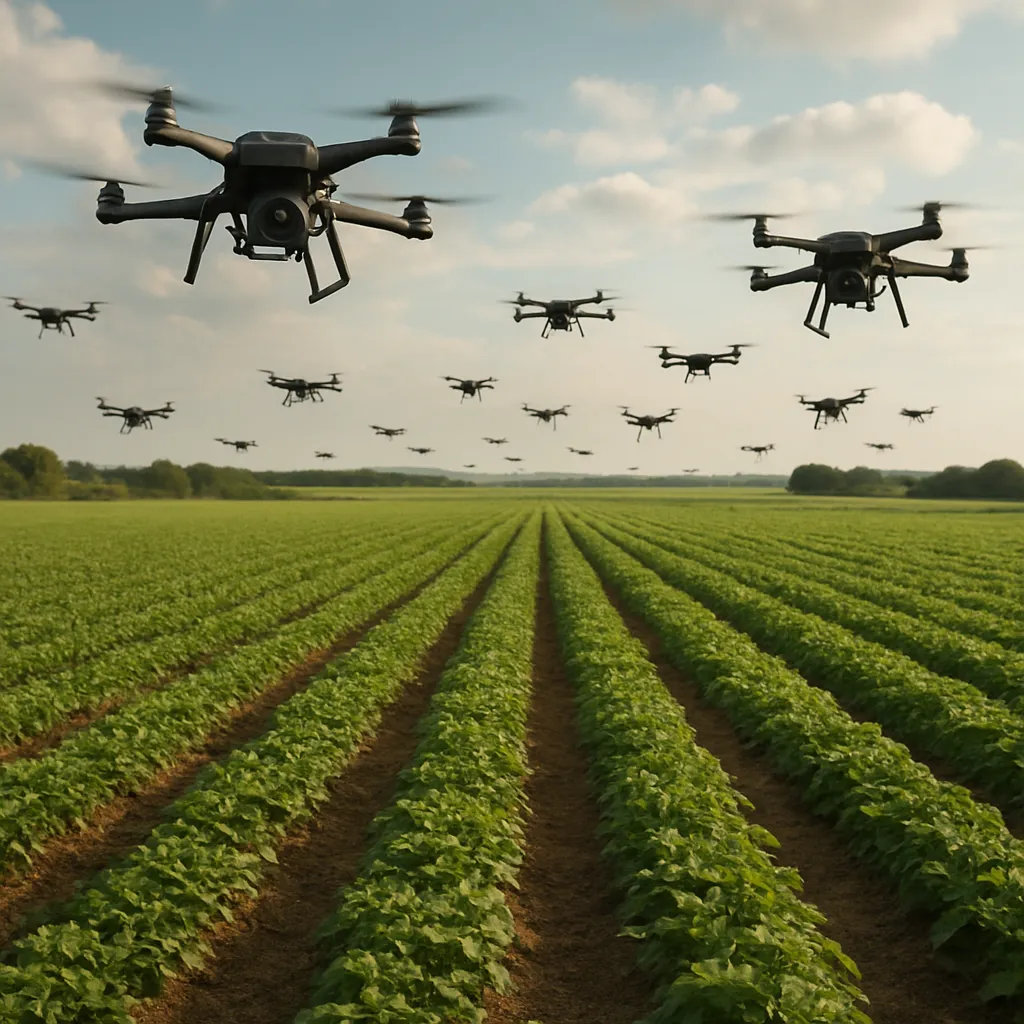
Furthermore, farm management platforms often feature GIS mapping and drone imagery modules. These capabilities enable growers to visualize field variability, pinpoint problem areas, and apply site-specific treatments. Variable-rate technology (VRT) then uses these maps to adjust input applications on the go, maximizing resource use and minimizing environmental impact.
Implementation Strategies and Best Practices
Successful adoption of a cloud-based system requires careful planning and stakeholder engagement. Begin by assessing your current workflows and identifying pain points where digital transformation could deliver the greatest return. Engaging farmhands, agronomists, and financial managers early in the process ensures that the new platform addresses real-world challenges.
Steps for a smooth rollout include:
- Conducting pilot programs on selected fields to gather feedback
- Delivering hands-on training sessions for end users
- Establishing clear data governance policies and user permissions
- Partnering with extension services or technology providers for ongoing support
- Monitoring key performance indicators (KPIs) such as input costs and labor hours
Cloud environments offer scalability that on-premise systems cannot match. As farm operations grow—adding new acreage, equipment, or processing facilities—the software can scale accordingly without major capital outlays. Subscription tiers and modular add-ons let businesses pay only for the functionalities they need, making digital transformation more accessible for farms of all sizes.
Real-World Applications and Case Studies
Precision Grain Production
In the Midwest, a family-run grain farm adopted a cloud-based solution to manage 10,000 acres of corn and soybeans. By integrating sensor data with local weather forecasts, the operation optimized irrigation scheduling and reduced water consumption by 20%. The system’s yield analytics predicted harvest volume within a 3% margin of error, improving contract negotiations with grain elevators.
Dairy Operation Efficiency
A dairy cooperative in New Zealand implemented a platform that synchronized herd health records, feed inventories, and milking schedules. Real-time monitoring of cow health via wearable sensors enabled early detection of mastitis and other ailments. The cooperative reported a 15% increase in milk yield and a 12% reduction in veterinary costs after six months.
Horticultural Greenhouse Management
An urban greenhouse network integrated climate control systems with a cloud dashboard to regulate temperature, humidity, and lighting. By applying machine learning-driven forecasts, the network reduced energy usage by 18% while achieving consistent fruit quality. Staff across multiple locations accessed unified dashboards, fostering better communication and streamlined operations.
By uniting advanced integration, powerful analytics, and flexible subscription models, cloud-based farm management software is reshaping agriculture around the globe. As the sector embraces digital tools, farms become more resilient, sustainable, and profitable in the face of evolving challenges.