Emerging trends in agriculture have been accelerated by the integration of robotics into everyday farming practices. Automated machines equipped with advanced sensors and intelligent control systems are transforming how growers manage weeds and harvest crops. By reducing manual labor, minimizing the use of agrochemicals, and optimizing resource allocation, agri-robotics promises higher efficiency and consistent crop yield. This article explores how precision weeding and harvesting technologies drive innovation and sustainability across modern farms.
Precision Weeding with Advanced Robotics
Challenges in Traditional Weeding
Manual weeding remains one of the most labor-intensive tasks on small and large farms alike. Farmers must spend countless hours removing competing plants by hand, often under adverse weather conditions. Mechanical tillage tools can damage soil structure and accelerate erosion. In addition, broad-spectrum herbicide applications contribute to chemical runoff and may foster resistance in weed populations. These methods jeopardize both environmental health and long-term agricultural productivity. As the global population grows and demands increase, innovative solutions are needed to tackle weeds in a more targeted and sustainable manner.
Robotic Solutions and Technologies
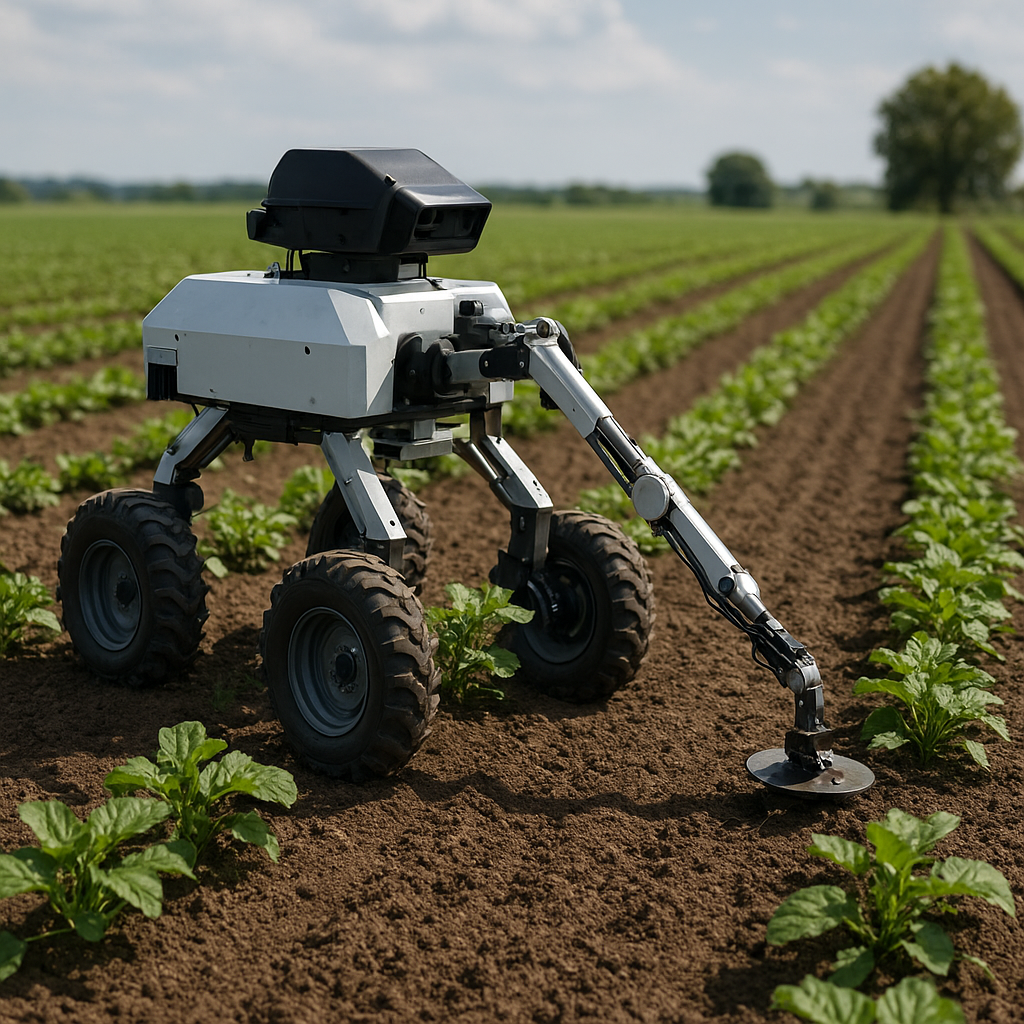
- Computer vision systems: Mobile platforms scan fields, identifying weeds by leaf shape, color signatures, and plant architecture through deep learning algorithms.
- Selective spraying nozzles: Equipped on autonomous vehicles, these devices apply micro-doses of herbicide exactly where needed, cutting chemical use by up to 90%.
- Mechanical weeding tools: Precision-mounted knives or rotary cultivators remove unwanted plants between crop rows without disturbing the soil excessively.
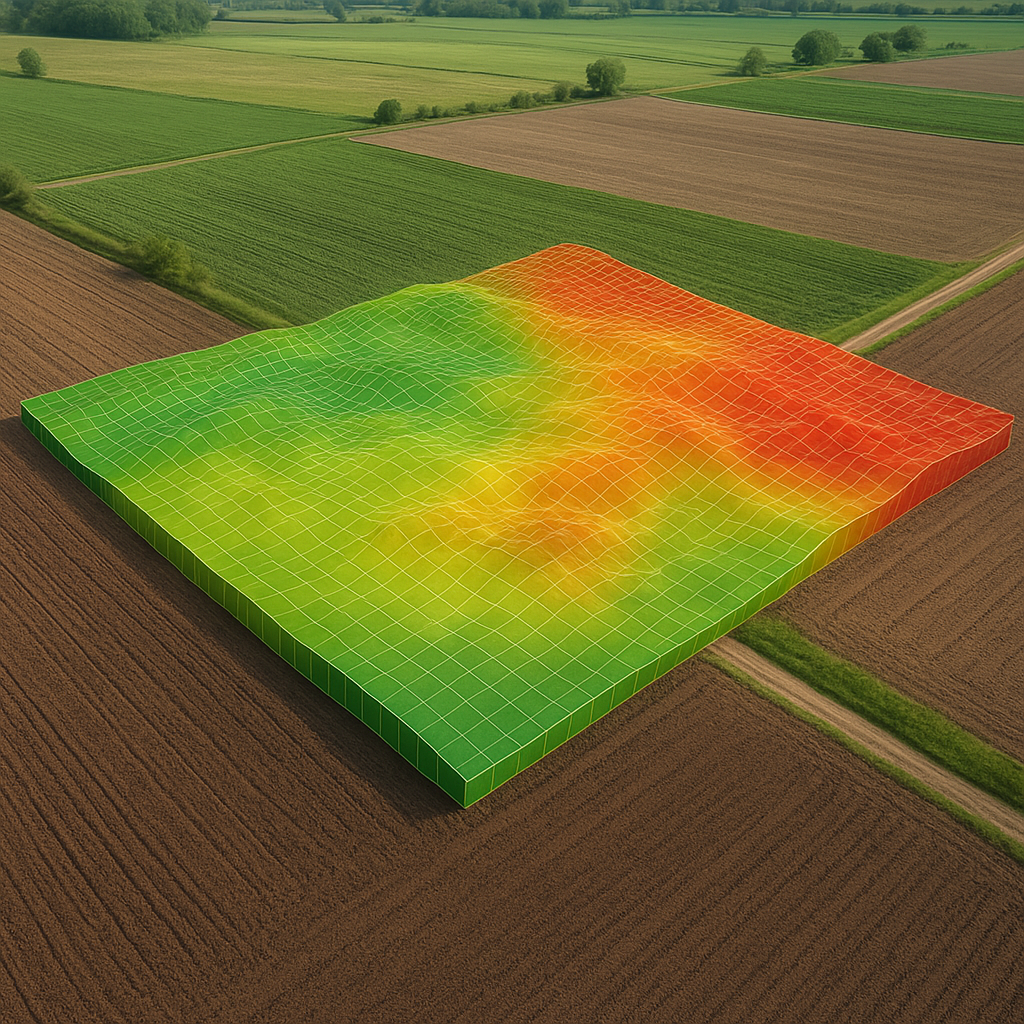
- Real-time mapping: GPS-enabled robots create detailed maps of weed hotspots, allowing farm managers to plan targeted interventions rather than blanket treatments.
By leveraging autonomy and adaptive learning routines, modern weeding robots can operate around the clock with minimal human supervision. Field trials demonstrate that some prototypes achieve control rates matching or exceeding manual labor, with significantly lower operational costs over time. Integration with farm management software ensures the data collected by these machines informs future planting and fertilization strategies.
Advancements in Harvesting Automation
Technological Innovations
Agricultural robots designed for harvesting leverage a combination of stereo vision, LiDAR, and tactile feedback to handle delicate produce. Early systems focused on high-value crops like strawberries, tomatoes, and apples, where labor shortages drive up costs. End effectors—robotic “hands”—use soft grippers or vacuum cups controlled by force sensors to pick fruit without bruising. Advanced algorithms predict ripeness by analyzing color patterns and firmness, ensuring only mature items are collected.
Some units navigate orchards autonomously, following predefined routes and dynamically adjusting to terrain features. Collaborative fleets coordinate tasks, with one machine scouting for ripe clusters while another executes the pick. This division of labor maximizes throughput and reduces idle time. Connectivity via 5G and edge computing enables rapid decision-making, critical for time-sensitive harvesting windows.
Case Studies in Modern Farms
- Vineyard Operations: Autonomous grape-picking robots operate at night under infrared illumination, minimizing disturbance to workers during the day and preserving fruit quality by avoiding high-temperature exposure.
- Berry Fields: AI-driven pickers utilize hyperspectral cameras to distinguish between similar berry varieties and adapt to subtle differences in shape or shading.
- Grain Harvest Crops: Combine harvester drones scout ripeness across large wheat and barley fields, sending real-time data to ground units to optimize cutting height and speed.
These applications illustrate how agri-robotics enhances both efficiency and consistency. Data collected during harvesting—such as average picking time per fruit, defect rates, and throughput—feeds back into farm analytics platforms, guiding future crop planning and resource allocation.
Enhancing Sustainability through Robotic Integration
Environmental Benefits
Precision robotics directly support sustainability goals by minimizing chemical inputs and preserving soil health. Targeted herbicide application reduces chemical drift into water sources, while non-chemical weeding tools lower overall agrochemical dependency. When robots till only narrow pathways, compaction zones shrink, and beneficial soil organisms remain undisturbed, improving carbon sequestration and water infiltration rates. Energy-efficient electric drivetrains further cut greenhouse gas emissions compared to diesel-powered machinery.
Economic and Social Impacts
Implementing robotic systems requires upfront capital investment, but the long-term return on investment often justifies the expense. Automated platforms can operate around the clock, capturing critical weather windows and minimizing harvest losses due to adverse conditions. This boosts farm profitability and food supply stability. Moreover, robots alleviate labor shortages by taking on repetitive, physically demanding tasks, allowing skilled workers to focus on higher-value activities such as crop monitoring or system maintenance.
Seamless integration of robotics into existing infrastructure is vital. Open APIs and modular hardware design enable farmers to connect new machines to legacy tractors, irrigation controllers, and farm management software. Training programs for operators and technicians ensure that rural workforces acquire the necessary skills to maintain and program these advanced platforms. As adoption grows, economies of scale will lower system costs, broadening access for small and medium-sized farms.
With continued innovation and collaboration between engineers, agronomists, and growers, agri-robotics stands poised to revolutionize crop production. By harnessing cutting-edge technology, the agricultural sector can achieve higher productivity, enhanced resource conservation, and greater resilience against climate challenges, securing the future of global food systems.