Seaweed farming has emerged as a transformative practice, intertwining agriculture with marine conservation and community development. Coastal regions around the globe are harnessing the potential of seaweed cultivation to enhance local economies, restore fragile ecosystems, and pioneer new agricultural frontiers. By exploring the multifaceted benefits of this aquatic crop, we can appreciate how it fosters sustainability, supports community livelihoods, and drives innovation in rural and maritime settings.
Economic Revitalization through Seaweed Cultivation
Local Employment and Income Diversification
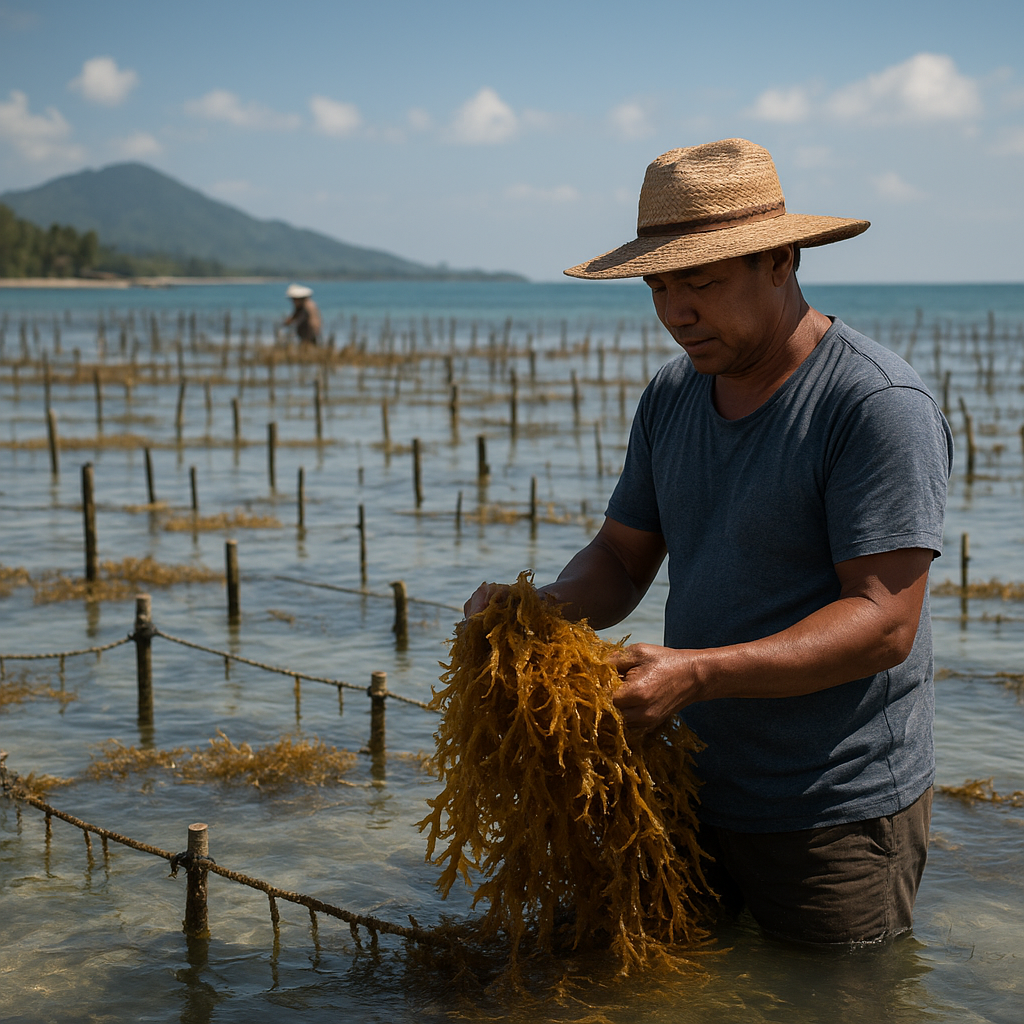
Seaweed farms provide year-round opportunities for fishermen, farmers, and entrepreneurs seeking alternative sources of revenue. In many developing countries, coastal residents traditionally dependent on wild fisheries face dwindling stocks and fluctuating market prices. Cultivating seaweed offers a reliable cash crop that requires minimal land investment and relies on free marine resources. Small-scale farmers can learn to set up lines or nets for species like seaweed (e.g., Saccharina latissima or Eucheuma) and harvest them regularly, generating steady income while reducing pressure on overexploited fish populations.
Cooperative models enable groups of harvesters to pool resources, share processing facilities, and negotiate better prices. Microfinance institutions and NGOs often step in to train communities in best practices, ensuring quality control and fostering links with local processors. As farmers organize into associations, they gain bargaining power that elevates regional coastal economies and creates new professional roles in farm management, logistics, and value-added production.
New Market Opportunities
The global demand for seaweed is expanding beyond food markets into sectors such as pharmaceuticals, cosmetics, and agriculture. Rich in minerals, vitamins, and unique polysaccharides, cultivated seaweed serves as a raw material for biofertilizers, animal feed supplements, and sustainable packaging. Research labs and startups are experimenting with seaweed-derived bioplastics and textile fibers, spurring an era of green innovation. By capitalizing on these emerging markets, coastal communities can diversify their product lines, accessing higher-value supply chains and attracting investors interested in eco-friendly alternatives.
Trade fairs and certification programs further help smallholders to position their produce as premium goods. Through geographic indications or organic labels, farmers gain recognition for responsibly farmed seaweed, commanding higher prices. This dynamic shift from commodity crops to niche products boosts local economies, enabling reinvestment in education, health services, and infrastructure.
Environmental Stewardship and Ecosystem Enhancement
Carbon Sequestration and Water Quality
Seaweed plays a crucial role in global carbon cycles by absorbing carbon dioxide during photosynthesis and converting it into biomass. Estimates suggest that large-scale seaweed farms could sequester millions of tons of CO2 annually if implemented worldwide. As coastal waters warm and acidify, seaweed cultivation acts as a buffer, improving water chemistry and supporting the growth of other marine species. By removing excess nutrients like nitrogen and phosphorus, farms help mitigate harmful algal blooms and restore biodiversity in aquaculture-affected areas.
Integrating seaweed lines into existing fish or shrimp farms creates polyculture systems that recycle waste. Nutrient-rich effluents from livestock or aquaculture operations become fertilizer for seaweed, reducing the need for synthetic inputs and preventing eutrophication. Such harmonious designs illustrate how agricultural principles can be extended beneath the waves to achieve holistic ecosystem resilience.
Habitat Restoration
Beyond water purification, seaweed forests provide habitat for juvenile fish, crustaceans, and invertebrates. The vertical structures formed by kelp and other macroalgae offer shelter and feeding grounds, enhancing marine food webs. In areas where natural kelp forests have collapsed due to overharvesting or climate change, artificial farms can serve as stepping stones for ecological recovery. Researchers document increased species diversity and biomass around seaweed installations, signaling a positive trajectory for coastal restoration efforts.
Community-led monitoring programs often accompany seaweed projects, engaging volunteers and students in biodiversity surveys. As stakeholders witness the return of scallops, scallops, and ornamental species, they develop a stronger stewardship ethic. This grassroots conservation model empowers local residents to become guardians of their marine heritage, ensuring long-term protection for sensitive coastal habitats.
Technological Advancements and Future Prospects
Innovative Farming Techniques
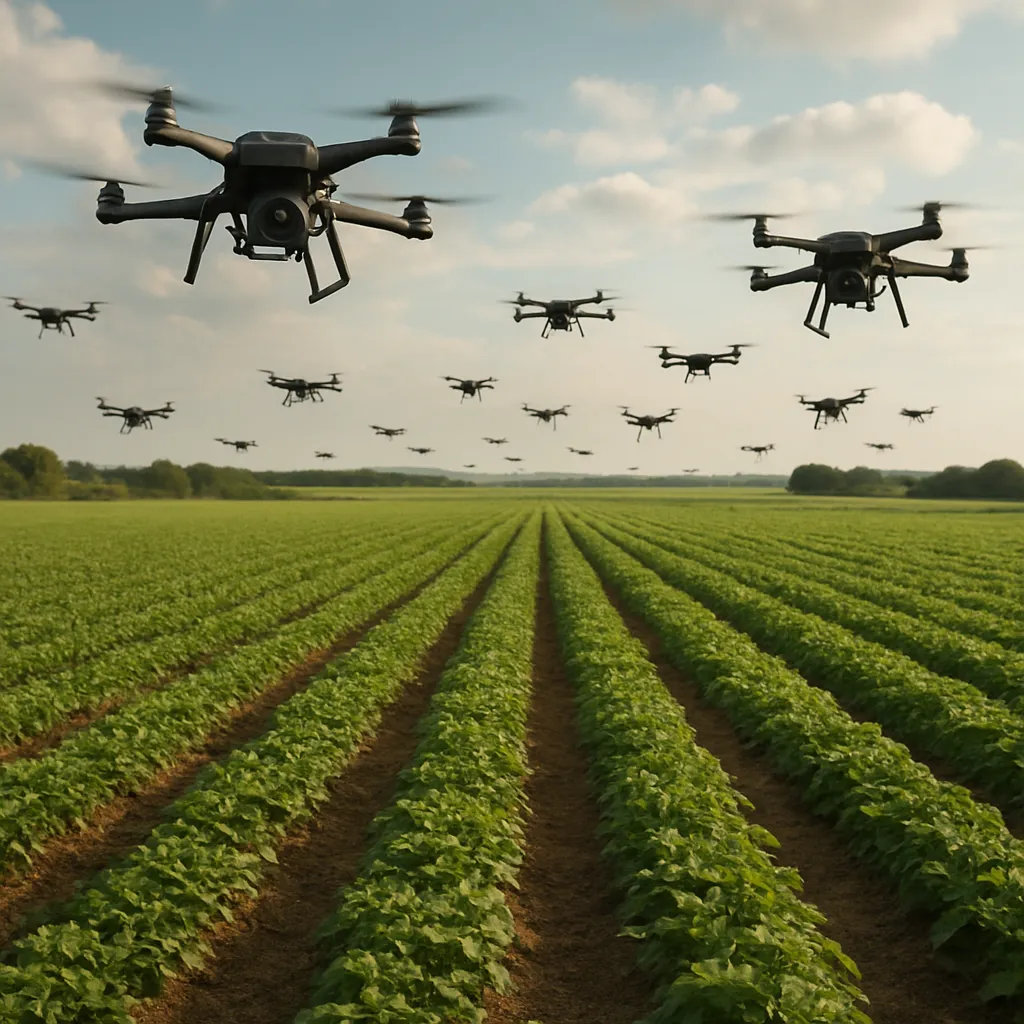
Technological progress is accelerating seaweed cultivation efficiency. Automated buoys and remote sensors now track growth rates, temperature, and nutrient levels, enabling precision farming in open oceans. Drones and underwater robots assist in seedling deployment and harvest, reducing manual labor costs. Genetic research is identifying fast-growing strains with enhanced tolerance to temperature fluctuations and pathogens, paving the way for selective breeding programs. These advances not only increase yields but also improve crop resilience amid changing climate conditions.
Integrated multi-trophic aquaculture (IMTA) systems, which combine seaweed with bivalves and fish, represent a frontier in sustainable food production. By designing farms that mimic natural food webs, operators can maximize resource use efficiency and minimize waste. Pilot projects in Asia and Europe demonstrate that IMTA yields multiple products—edible seaweeds, shellfish, and finfish—while maintaining environmental balance. Such systems hold promise for coastal communities seeking to bolster food security and economic stability.
Value-Added Products and Circular Economies
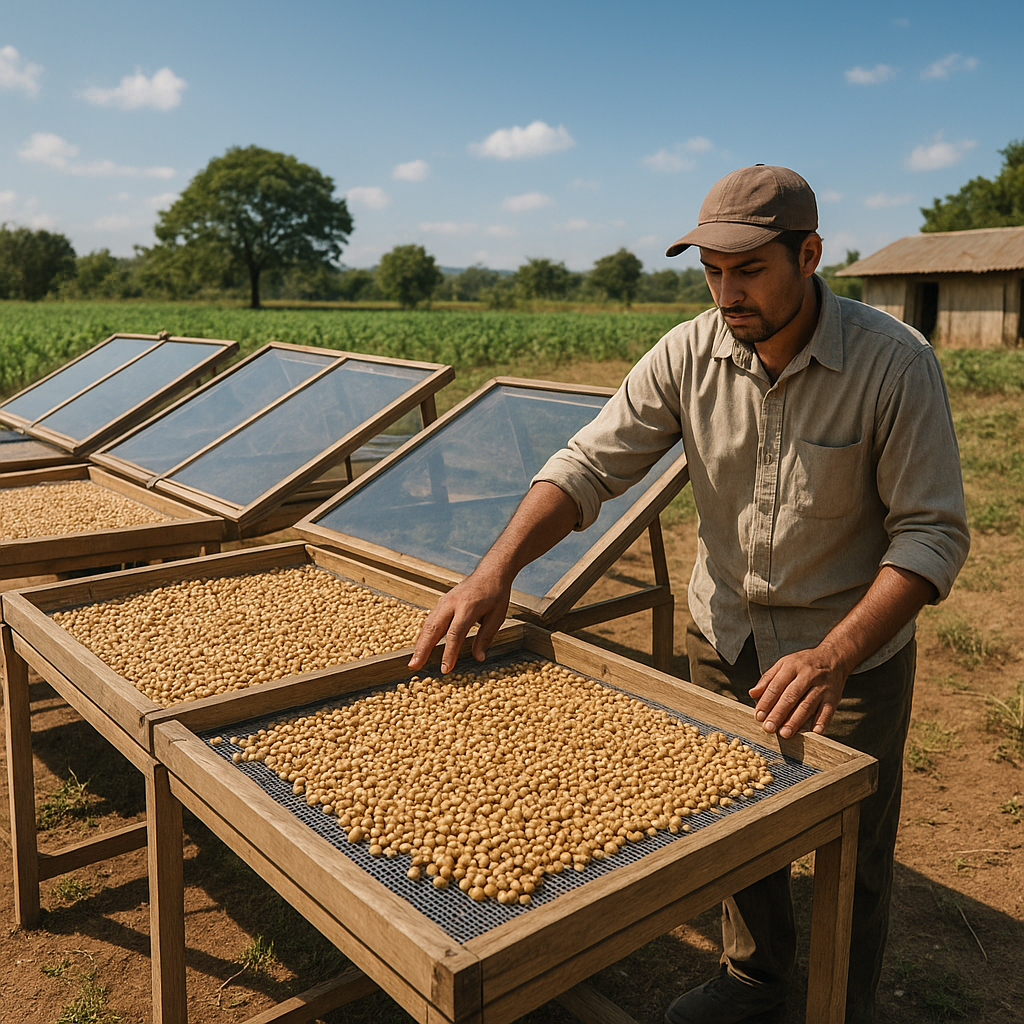
Transforming raw seaweed into high-value goods requires investment in processing technologies. Dryers, pelletizers, and extraction units enable producers to isolate bioactive compounds like alginate, carrageenan, and fucoidan—key ingredients for pharmaceuticals and nutraceuticals. Entrepreneurs are developing biodegradable seed coatings, livestock feed additives, and cosmetic formulations derived from seaweed extracts. Each innovation expands the range of end-users, strengthening backward linkages to farming communities.
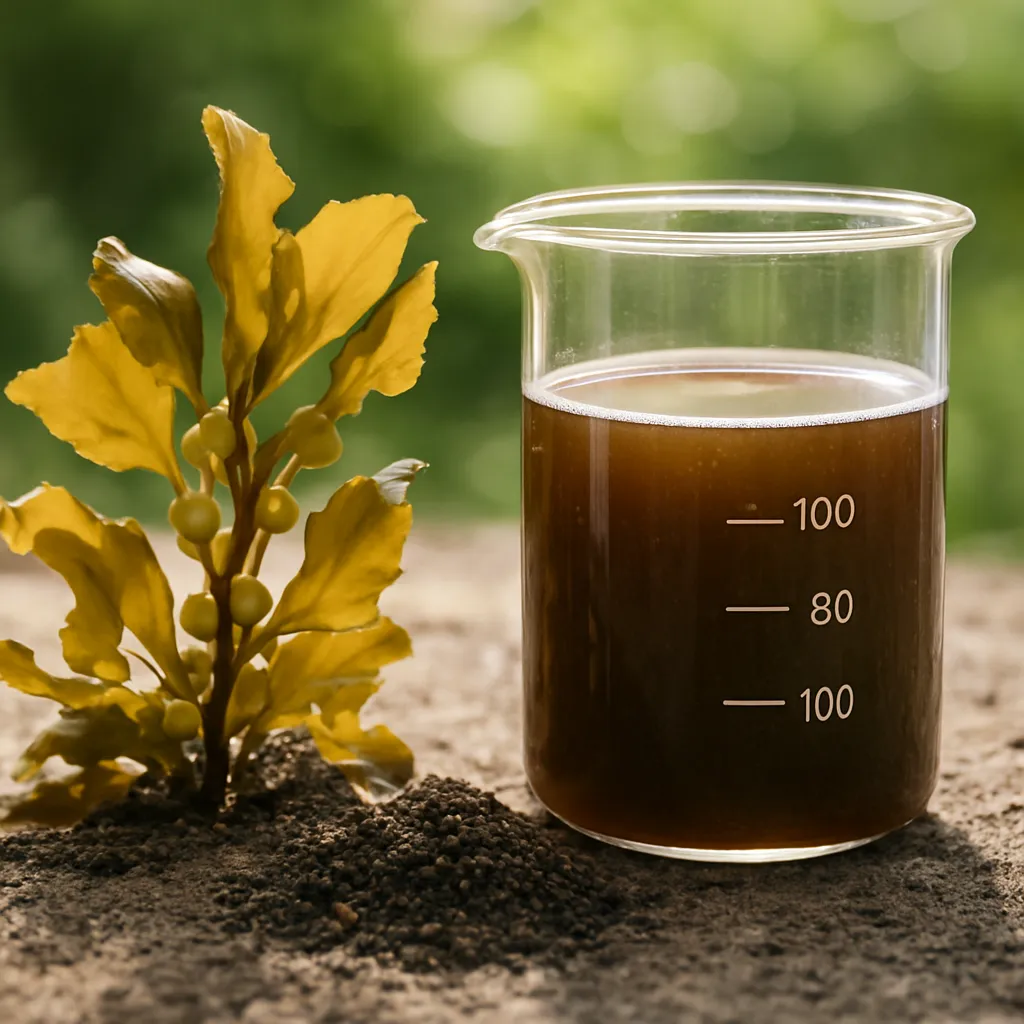
The circular agriculture model encourages the use of seaweed-based composts and biofertilizers to enrich terrestrial soils depleted by intensive cropping. Organic farms report improved soil structure, water retention, and crop productivity when incorporating seaweed amendments. This cross-sector synergy—marine agriculture supporting terrestrial agriculture—promotes a closed-loop system that reduces reliance on chemical fertilizers and fosters long-term sustainability.
- Strengthening resilience of coastal communities
- Enhancing nutrients cycling and water quality
- Generating novel employment and livelihoods
- Driving innovation in green industries
- Supporting global efforts in climate mitigation