Smart packaging is transforming modern food systems by integrating advanced materials and digital technologies to extend shelf life, ensure product safety, and minimize resource loss. This innovative approach aligns with the needs of contemporary agriculture and responds to rising consumer demand for transparency. By embedding intelligent features directly into packaging, producers can monitor conditions throughout transit, alert stakeholders to potential issues, and ultimately reduce food waste on a global scale.
Innovations in Smart Packaging
Recent breakthroughs in packaging design have shifted the industry from passive containment to active, data-driven systems. Innovations focus on three main areas: sensing, active control, and communication.
Nanotechnology and Biopolymers
Researchers are leveraging nanotechnology to improve barrier properties and create antimicrobial surfaces. Embedding nanoparticles such as silver or zinc oxide into biodegradable films provides a dual benefit: a reduction in plastic usage and enhanced protection against microbial spoilage. Biopolymers derived from agricultural byproducts—such as starch, cellulose, or chitosan—offer sustainable alternatives to conventional plastics. These materials can be engineered to respond dynamically to environmental changes.
Embedded Sensors and Indicators
Smart sensors can detect temperature fluctuations, gas composition, and moisture levels in real time. Technologies include:
- Temperature sensors that trigger an alert when cold chain interruptions occur.
- Gas sensors measuring ethylene, oxygen, or carbon dioxide to estimate ripeness and delay overripe conditions.
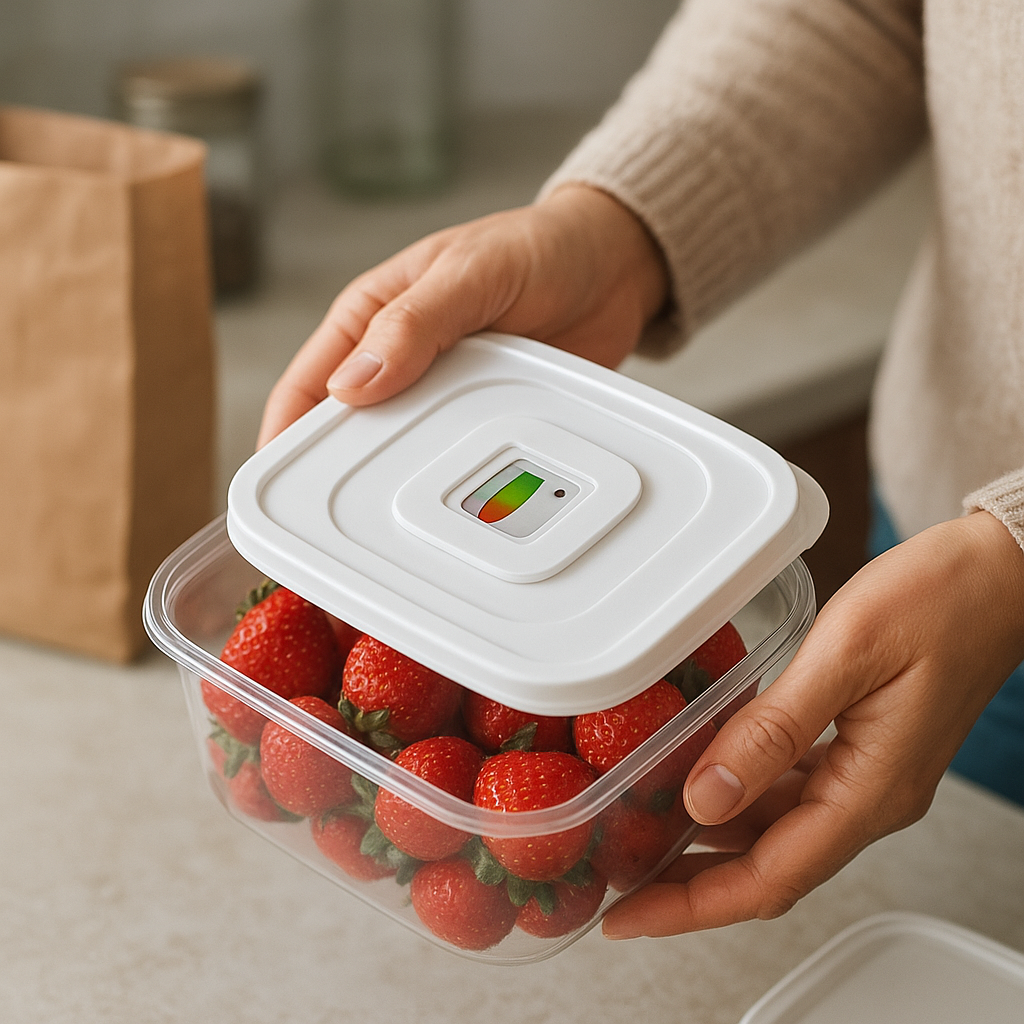
- Freshness indicators changing color to signal microbial growth or chemical degradation.
Integrating these features ensures that each package functions as a mini-monitoring station, capable of extending the usable life of perishable goods.
Impact on Supply Chain and Sustainability
Smart packaging redefines the flow of goods from farm to fork by enabling real-time visibility across the supply chain. Enhanced traceability fosters trust among producers, distributors, and consumers, and helps identify inefficiencies that contribute to waste.
Reducing Post-Harvest Losses
Every year, a significant portion of horticultural produce spoils before reaching the market due to improper handling or storage. By utilizing packaging with integrated sensors and active temperature control, stakeholders can:
- Monitor cold storage conditions and adjust refrigeration as needed.
- Predict spoilage windows, thus optimizing logistics routes and reducing unnecessary delays.
- Compress or vent package atmospheres to slow down respiration rates in fruits and vegetables.
These measures not only preserve quality but also enhance the profitability of small-scale farmers and agribusinesses.
Environmental Benefits and Circularity
Smart packages are designed with end-of-life considerations in mind. Innovations include:
- Compostable films that decompose along with agricultural waste.
- Reusable containers equipped with RFID tags for multiple distribution cycles.
- Blockchain-enabled platforms that track material provenance and facilitate recycling.
By encouraging a circular approach, packaging waste becomes a resource, and the carbon footprint of food systems declines in tandem with reduced sustainability risks.
Challenges and Future Prospects
Despite promising results, the widespread adoption of smart packaging faces hurdles in cost, regulation, and scalability. Addressing these challenges is essential for mainstream integration.
Economic and Regulatory Considerations
Implementing sophisticated packaging can raise production costs by 10–30 percent compared to traditional solutions. To offset this increase, businesses and policymakers must collaborate on:
- Incentive programs or subsidies for technology adoption in rural or developing regions.
- Harmonized standards for wearable sensors and data privacy guidelines to protect consumer information.
- Certification schemes validating the safety and biodegradability of emerging materials.
Emerging Trends and the Role of IoT
The convergence of the Internet of Things and machine learning promises a new era of predictive analytics in the food industry. Future systems may include:
- Cloud-based dashboards that alert stakeholders to spoilage risk before it occurs.
- AI-driven demand forecasting, aligning production volumes with real-time market data.
- Distributed ledger technologies to verify authenticity and trace every step from field to plate.
These advancements will enable more efficient resource allocation, curbing waste while meeting consumer expectations for high quality and safety.
By uniting cutting-edge materials science, digital connectivity, and sustainable design principles, smart packaging stands to revolutionize agrifood systems. The journey ahead will require cross-sector collaboration, continued innovation, and a shared commitment to reducing food waste at every stage.