Revolutionary plant-based pesticides are reshaping the future of agriculture by tapping into the innate defensive compounds of flora. As global demands for food production intensify, growers are seeking alternatives to synthetic chemicals that threaten ecosystems, human health, and long-term soil fertility. This exploration delves into the scientific breakthroughs, environmental advantages, and practical adoption of botanical solutions that promise to revolutionize crop protection and foster healthier agroecosystems.
Harnessing Phytochemicals for Next-Generation Crop Protection
Plants have evolved complex biochemical arsenals to defend against insects, fungi, and microbial invaders. Modern research isolates these natural compounds—collectively known as phytochemicals—to formulate targeted treatments. Among the most prominent sources are neem (Azadirachta indica), pyrethrum (Chrysanthemum cinerariaefolium), and tobacco (Nicotiana spp.), each yielding potent bioactives with unique modes of action.
Neem extracts contain azadirachtin, which disrupts insect hormonal systems at larval stages. Pyrethrins attack insect nervous systems, causing paralysis and death. Beyond these well-known examples, scientists are discovering dozens of lesser-studied molecules such as alkaloids, essential oils, and glucosinolates with remarkable pesticidal properties. Enhanced extraction and formulation technologies now deliver stability and improved delivery, overcoming earlier challenges of rapid degradation under sunlight or inconsistent field performance.
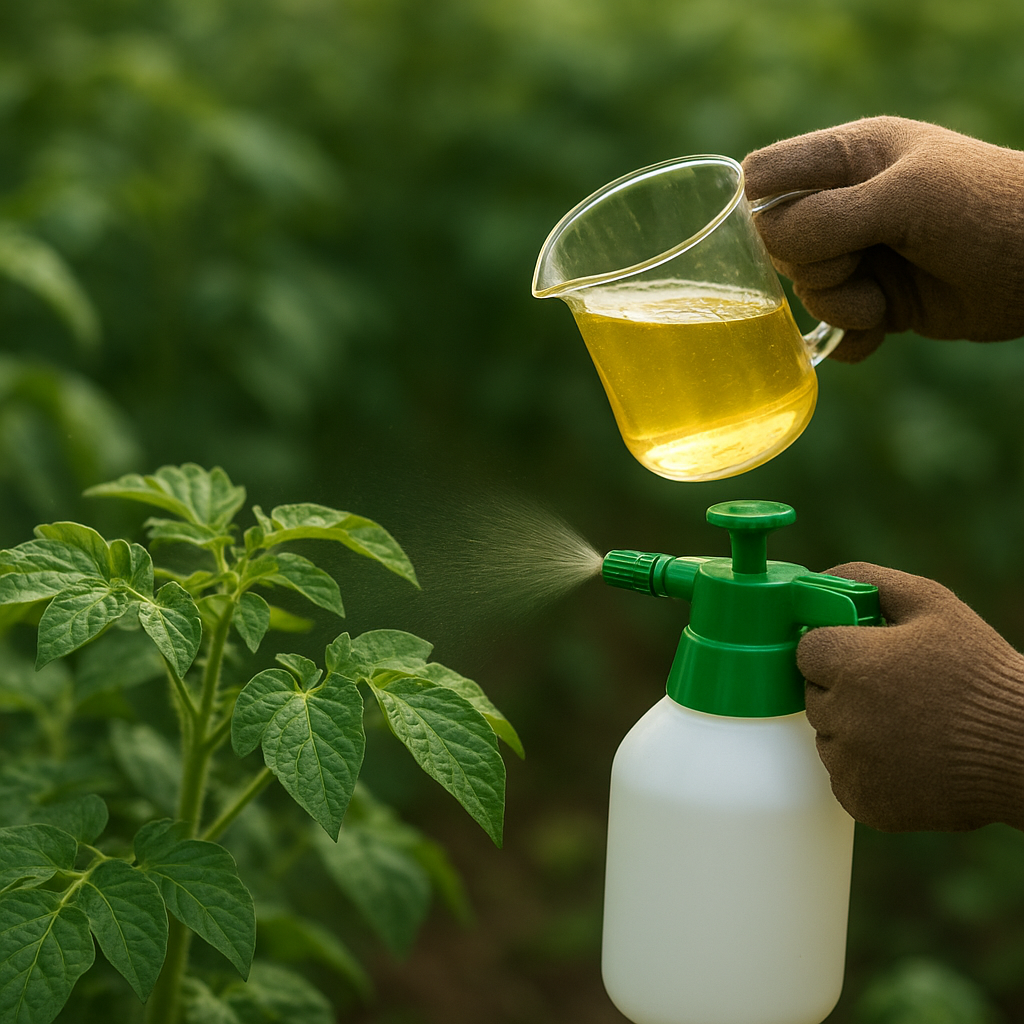
Field trials consistently demonstrate that botanical sprays can achieve up to 80 percent pest suppression when integrated into a wider management strategy. This high efficacy is further amplified by synergistic mixtures of multiple plant extracts, which confuse pests and delay the onset of resistance. As a result, researchers are developing broad-spectrum and selective products to target specific pest complexes—minimizing non-target effects on beneficial insects like pollinators and predators.
Environmental and Economic Advantages of Bio-Based Solutions
Adoption of botanical pesticides offers substantial eco-benefits. Unlike many synthetic compounds that persist in soil and waterways, plant-derived actives biodegrade rapidly into harmless constituents. This characteristic greatly reduces the risk of groundwater contamination and protects aquatic life, supporting greater biodiversity in and around agricultural landscapes.
Moreover, these formulations often carry lower toxicity profiles for mammals and birds, enhancing operator safety and easing regulatory hurdles. Farmers may apply treatments with minimal personal protective equipment, streamline compliance, and meet stringent export standards in international markets. This eco-friendly profile fosters consumer confidence in fresh produce labeled as low-residue or organic.
From an economic standpoint, local production of botanical pesticides can bolster rural livelihoods. Small-scale processing units convert indigenous plant materials into high-value agricultural inputs, stimulating local economies and reducing reliance on imported chemicals. In regions with abundant flora, this model yields cost-effective, decentralized supply chains that empower farmers with accessible solutions rather than expensive, single-source synthetics.
Integration Strategies in Modern Agricultural Systems
Successful deployment of plant-based pesticides hinges on their integration into comprehensive pest-management frameworks. Farmers are encouraged to adopt integrated pest management (IPM) practices that combine cultural, biological, and botanical controls. Crop rotation, resistant cultivars, and habitat enhancements for natural enemies work synergistically with biopesticide applications to maintain pest populations below economic thresholds.
Best Practices for Field Application
- Rotate botanical products with differing modes of action to prevent pest adaptation.
- Time applications according to pest life cycles, targeting vulnerable stages for maximum impact.
- Use adjuvants or encapsulation technologies to improve spray adhesion and UV stability.
- Monitor pest and beneficial insect populations to adjust strategies in real time.
Advanced precision agriculture tools, such as drone-based spraying and sensor-guided spot treatments, refine the use of botanical inputs—minimizing waste and optimizing coverage. Decision-support software helps farmers pinpoint outbreak hotspots, ensuring that limited supplies of plant extracts are deployed where they deliver the greatest return.
Challenges and Future Perspectives
Despite the promise of botanical pesticides, several hurdles remain. Standardization of raw materials can be difficult due to seasonal and geographic variability in plant chemistry. Scaling up production while ensuring consistent concentrations of active compounds demands robust quality-control protocols. In addition, regulatory approval pathways for novel biopesticides may be lengthy and resource-intensive, discouraging small enterprises from entering the market.
Ongoing research is addressing these challenges by exploring greenhouse cultivation of pesticidal plants, synthetic biology routes to produce bioactives in microbial hosts, and advanced analytics for batch validation. As technologies mature, economies of scale and streamlined registrations are expected to drive down costs, making plant-based treatments even more competitive with conventional chemicals.
The convergence of biotechnology, agronomy, and digital agriculture heralds a new era where botanical extracts move from niche to mainstream. By championing environmentally responsible solutions and empowering farmers with effective, locally produced inputs, revolutionary plant-based pesticides chart a sustainable path toward global food security and resilient agroecosystems.