Bees serve as vital pillars of global agriculture, playing an indispensable role in pollination and the stability of natural ecosystems. From the alpine meadows of Europe to the tropical rainforests of South America, sustainable beekeeping techniques are evolving to address threats such as habitat loss, pesticide exposure, and climate change. This article explores a range of practices and innovations that support healthy apiaries while fostering biodiversity and economic resilience for farming communities around the world.
Traditional and Modern Techniques for Healthy Apiaries
Hive Design and Habitat Management
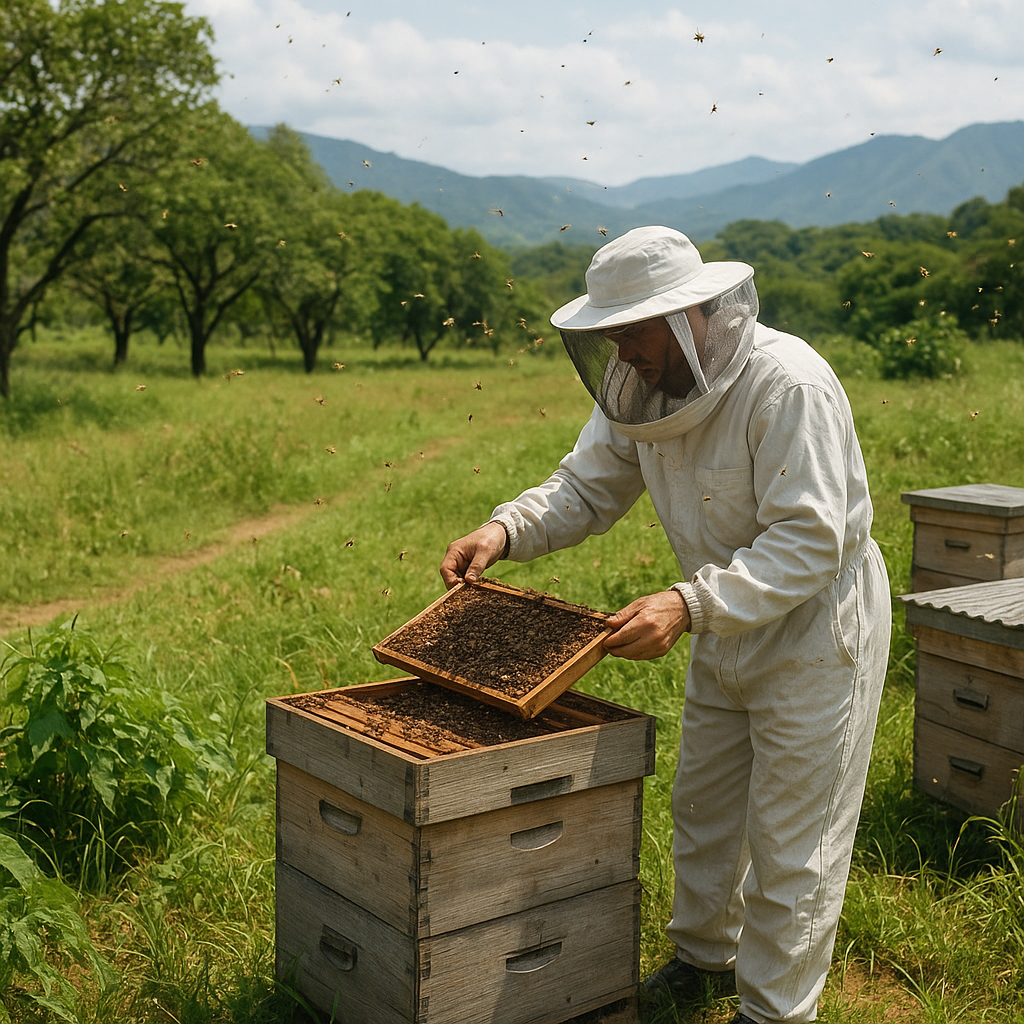
Beekeepers increasingly adopt designs that mimic natural cavities, supporting colony health and disease resistance. Top-bar hives, Warré hives, and modular Langstroth hives offer flexibility for inspection and harvesting without undue stress on the colony. Proper orientation—facing entrances to the morning sun—and strategic placement among diversified flora optimize foraging efficiency.
Organic Pest Control
Varroa mites represent one of the greatest threats to honey bee colonies. Sustainable strategies emphasize:
- Sharp monitoring of mite loads with sugar roll or alcohol wash methods.
- Application of organic acaricides such as formic or oxalic acid at calibrated doses.
- Breeding for mite-resistant strains, tapping into local indigenous knowledge about survivor colonies.
- Use of drone brood removal and screened bottom boards to interrupt mite reproduction.
Forage Enhancement
Planting diverse pollinator corridors encourages year-round nectar availability. Cover crops like alfalfa, buckwheat, and clover serve dual roles in soil health and bee nutrition. Riparian buffer zones rich in native wildflowers contribute to ecosystem resilience and water quality improvements.
Regional Approaches to Sustainable Beekeeping
Europe: Agroforestry Integration
In parts of France, Germany and Spain, beekeepers collaborate with foresters to introduce apiaries within mixed woodlands. This agroecology model capitalizes on spring blossoms of maples and poplars and summer blooms of chestnut and linden trees. Rotational grazing under hives reduces competing vegetation while maintaining open understories for bee flight.
Asia: Rice–Duck–Bee Symbiosis
Several farmers in Southeast Asia implement a triple-cropping system that integrates ducks and bees in rice paddies. Ducks control pests and weed growth, while bees pollinate flowering plants along field margins. This closed-loop system lessens reliance on chemical inputs and supports conservation of wetland bird species.
Africa: Climate-Adapted Strategies
In the savannas of Kenya and Ethiopia, traditional log hives hung in acacia trees exploit natural ventilation and predator barriers. Beekeepers harvest from fixed-frame hives made of clay and wicker, adapted to withstand temperature extremes. Community-led training focuses on:
- Water management techniques to protect hives during dry seasons.
- Promotion of native stingless bee species for forested areas.
- Value-added products like beeswax candles and propolis tinctures to diversify household income.
The Role of Technology and Research
Remote Monitoring and Data Analytics
Advances in sensor technology allow beekeepers to track hive weight, temperature, and acoustics in real time. Smart analytics detect anomalies—colony stress, swarming tendencies, or poor foraging conditions—enabling rapid interventions. Open-source platforms facilitate cross-regional data sharing, promoting collaborative research on disease vectors and climate resilience.
Breeding and Genetics
Selective breeding programs emphasize hygienic behavior, productivity, and resistance to pests. Molecular tools such as DNA barcoding identify genetic markers associated with sustainability traits. Hatcheries distribute locally adapted queens, preserving genetic diversity and reducing risks of import-related disease transmission.
Alternative Pollinators
While honey bees receive significant focus, scientists are documenting the contributions of bumblebees, solitary bees, and hoverflies. Conservation of diverse pollinator guilds enhances crop yields and ecosystem security. Housing solutions like bee hotels and ground nest blocks support solitary species that forage on complementary floral resources.
Community Engagement and Socioeconomic Impact
Cooperative Beekeeping Models
Regional co-ops enable smallholders to share equipment—extractors, centrifuges, filtration systems—and collectively market certified organic or fair-trade honey. Group training in business planning and quality control fosters financial stability. Microfinance initiatives loan startup funds for young entrepreneurs, including women and marginalized groups, strengthening local workforces.
Education and Outreach
Schools and rural extension services integrate beekeeping modules into curricula, cultivating the next generation of agricultural stewards. Demonstration apiaries host workshops on hive construction, swarm management, and honey processing. Citizen science programs enlist volunteers to monitor wild bee populations, providing data on shifting distribution patterns under climate change.
Value-Added Products
Beyond honey, diversified portfolios include beeswax cosmetics, royal jelly supplements, pollen granules, and propolis extracts. Artisanal honeys—acacia, clover, eucalyptus—command premium prices in local and export markets. Branding that highlights indigenous knowledge or forest-friendly harvesting methods appeals to eco-conscious consumers.
Policy Frameworks and Future Directions
Regulatory Support
Governments worldwide are recognizing the importance of pollinator health. Policies now often include:
- Subsidies for establishment of pollinator-friendly habitats on farmland.
- Restrictions on high-risk neonicotinoid pesticides.
- Funding for research into emerging honey bee diseases such as Nosema ceranae.
International Collaboration
Networks like the Food and Agriculture Organization’s Global Action on Pollination Services unite stakeholders from over 90 countries. Collaborative guidelines steer sustainable beekeeping development projects, linking urban and rural beekeepers, researchers, and policymakers in joint efforts to safeguard pollination services.
Embracing Circular Economy Principles
The future of beekeeping embraces zero-waste principles: wax from hive cappings is upcycled into biodegradable packaging; byproducts like brood comb are incorporated into animal feed; and spent filter materials serve as compost amendments. Circularity ensures that every resource, from hive wood to honey jars, contributes to regenerative agricultural cycles.
Challenges and Opportunities Ahead
Climate Change Adaptation
Shifting bloom periods and extreme weather events challenge foraging patterns. Beekeepers are experimenting with:
- Early or staggered supplemental feeding to bridge nectar dearths.
- Movable apiary systems that follow floral calendars across elevations or latitude gradients.
Market Volatility and Consumer Awareness
Global honey prices fluctuate with supply shocks and fraud concerns. Strengthening local markets through traceability measures—blockchain authentication of origin, pollen fingerprinting—builds consumer trust and rewards best practices.
Preserving Wild Pollinators
While managed honey bees are central to agriculture, maintaining habitats for wild pollinators safeguards biodiversity hotspots. Integrating wildflower strips and preserving hedgerows in farm landscapes creates a mosaic of foraging niches, bolstering overall pollination reliability.
Across continents, sustainable beekeeping models demonstrate that productivity and conservation are not mutually exclusive. By uniting traditional wisdom, cutting-edge technology, and community engagement, beekeepers can ensure that honey bees and pollinator communities flourish for generations to come, underpinning food security and the health of global agricultural landscapes.