Circular Farming Systems Closing the Loop explores how modern agriculture is shifting towards models that prioritize resource conservation, waste minimization, and ecological balance. By integrating innovative practices, farmers can achieve significant gains in efficiency and productivity while fostering greater biodiversity and long-term sustainability. This article examines the core principles, enabling innovation, socioeconomic impacts, and future prospects of these transformative agricultural systems.
Principles of Circular Farming
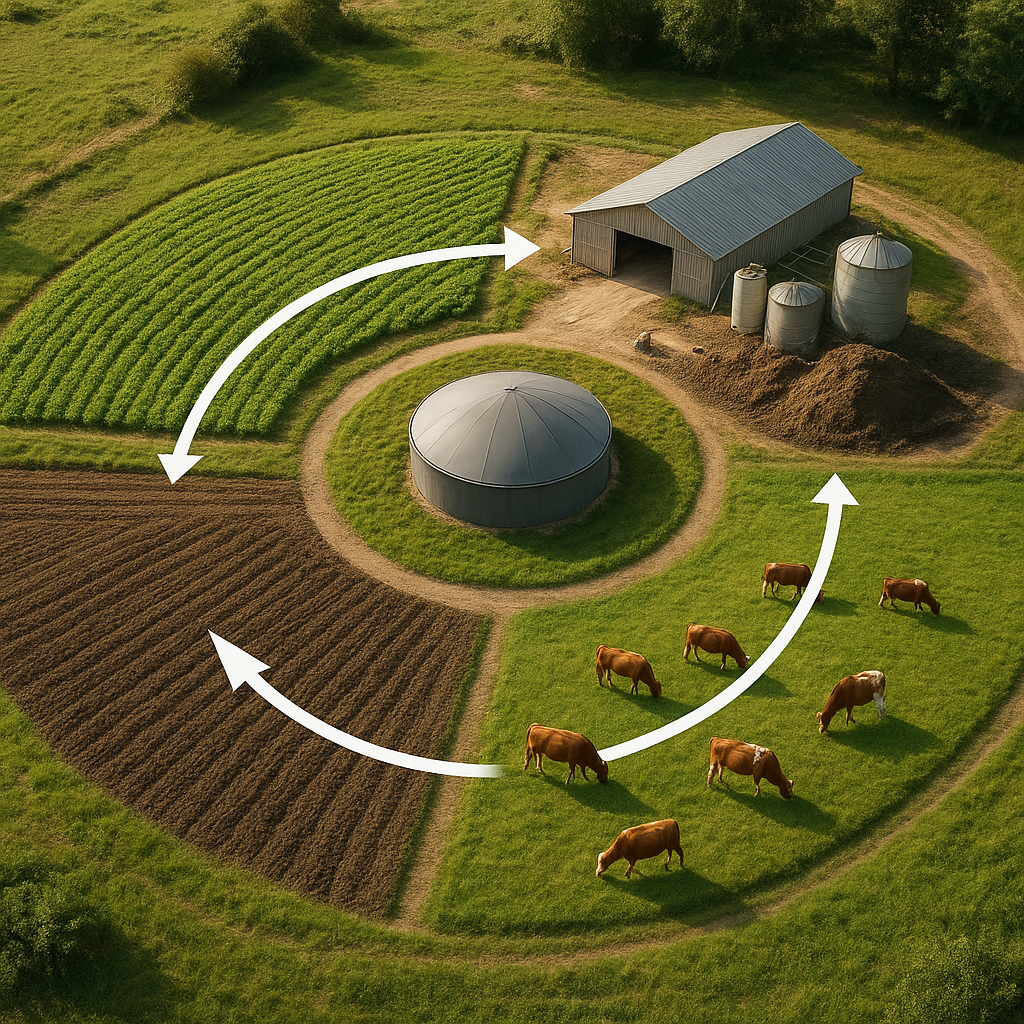
At its essence, circular farming emphasizes the continuous cycling of materials and energy, ensuring that on-farm inputs are reused or reintegrated rather than discarded. This approach relies on several interconnected elements:
- Resource optimization: Maximizing the utility of water, energy, and organic matter to reduce external inputs.
- Regenerative practices: Restoring soil structure and fertility by leveraging crop rotations, cover crops, and composting.
- Closed-loop nutrient flows: Capturing and recycling nutrients from animal manure, crop residues, and food waste.
- Integration of waste streams: Transforming byproducts into valuable amendments, animal feed, or bioenergy.
Resource Optimization
Water scarcity and rising energy costs challenge farmers worldwide. By implementing precision irrigation, solar-powered pumps, and advanced monitoring systems, producers can closely match water application to crop needs. Soil moisture sensors and weather forecasts feed into irrigation schedules, reducing overwatering and nutrient leaching. On the energy front, on-site renewable installations—such as biogas digesters converting manure to methane—supply electricity and heat, further diminishing reliance on external fossil fuels.
Soil Health and Nutrient Cycling
Healthy soil underpins resilient crops. Through practices like minimal tillage, green manures, and compost application, organic carbon levels increase, bolstering water retention and microbial activity. Cover crops capture excess nutrients during off-seasons, preventing runoff and eutrophication while feeding soil biology. When harvest residues are returned to the land, they decompose into plant-available forms, perpetuating nutrient availability and reducing the need for synthetic fertilizers.
Technologies Enabling Resource Efficiency
Advances in digital agriculture and biotechnology have created powerful tools for circular farming:
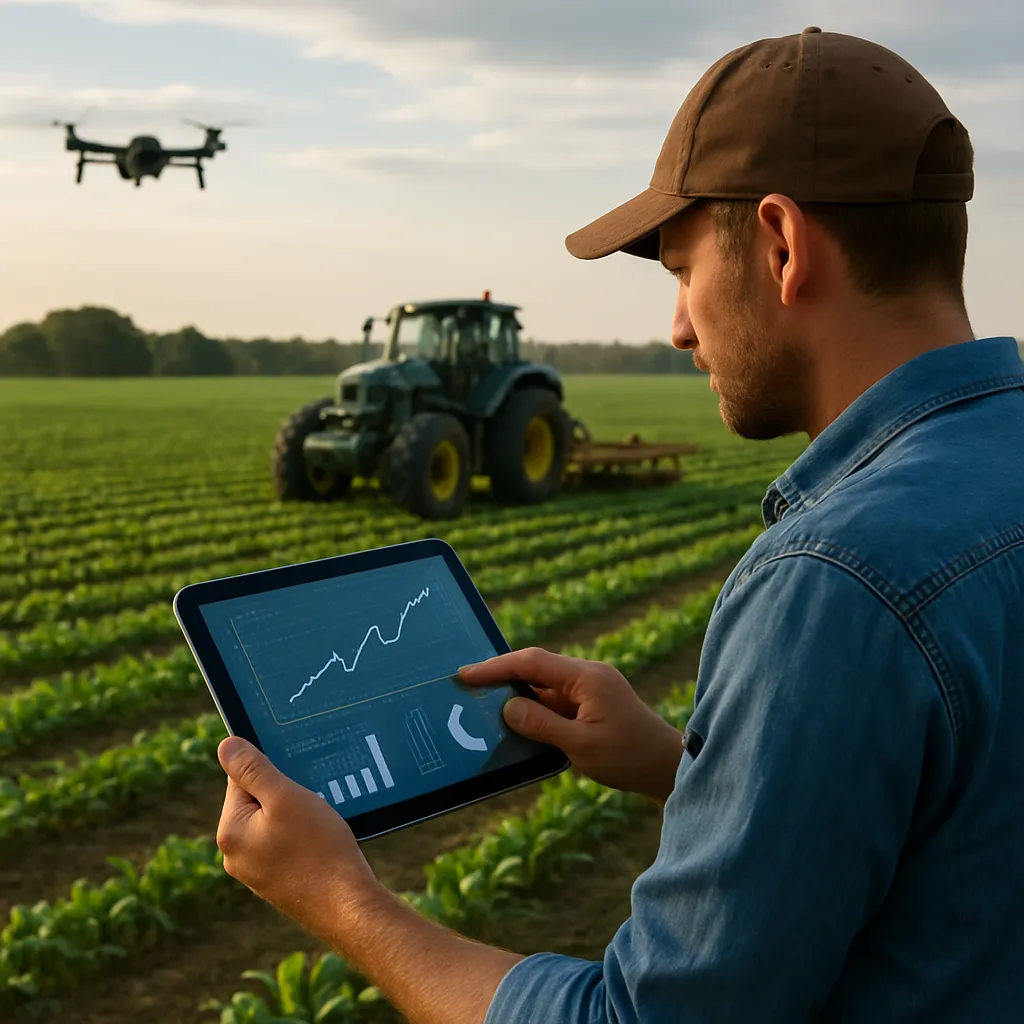
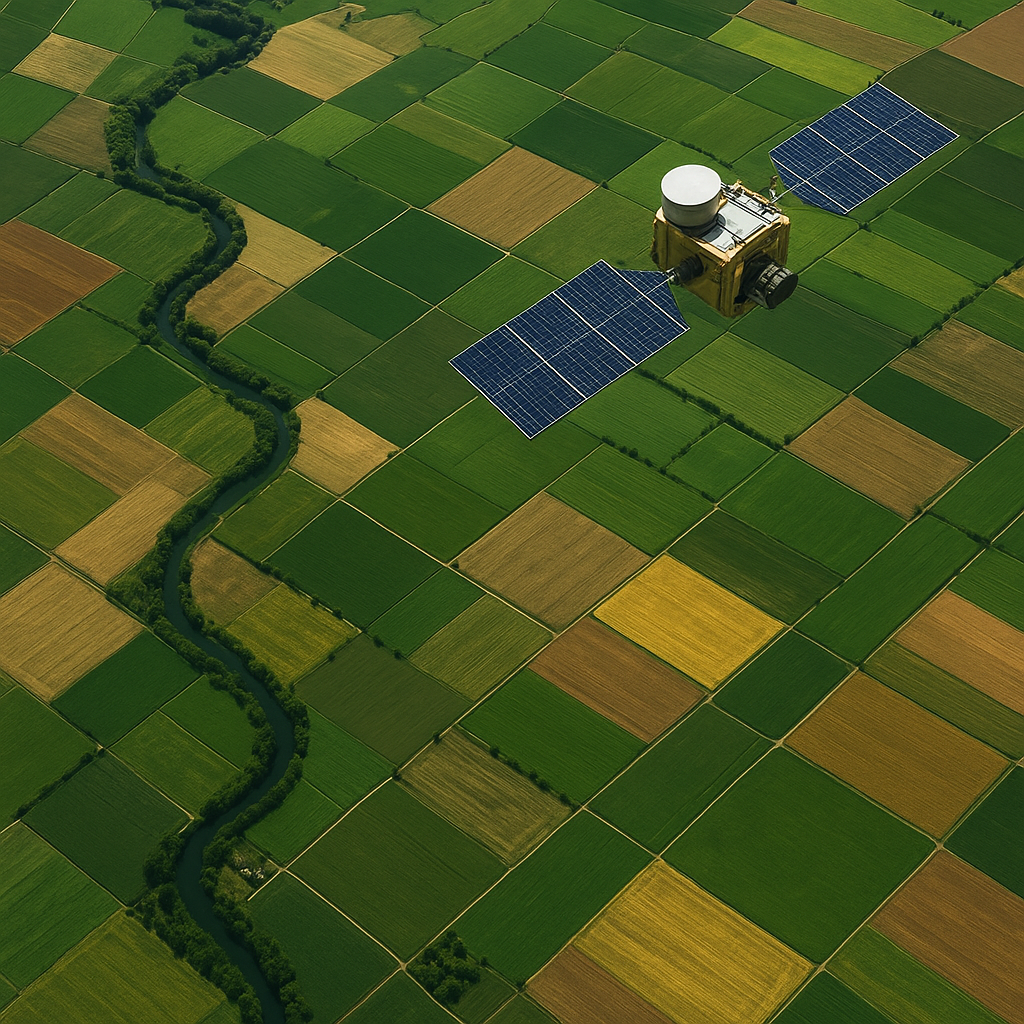
- IoT sensors and satellite imagery provide real-time data on crop health, soil moisture, and pest pressure.
- AI-driven algorithms analyze trends to optimize planting dates, fertilizer rates, and harvest timing.
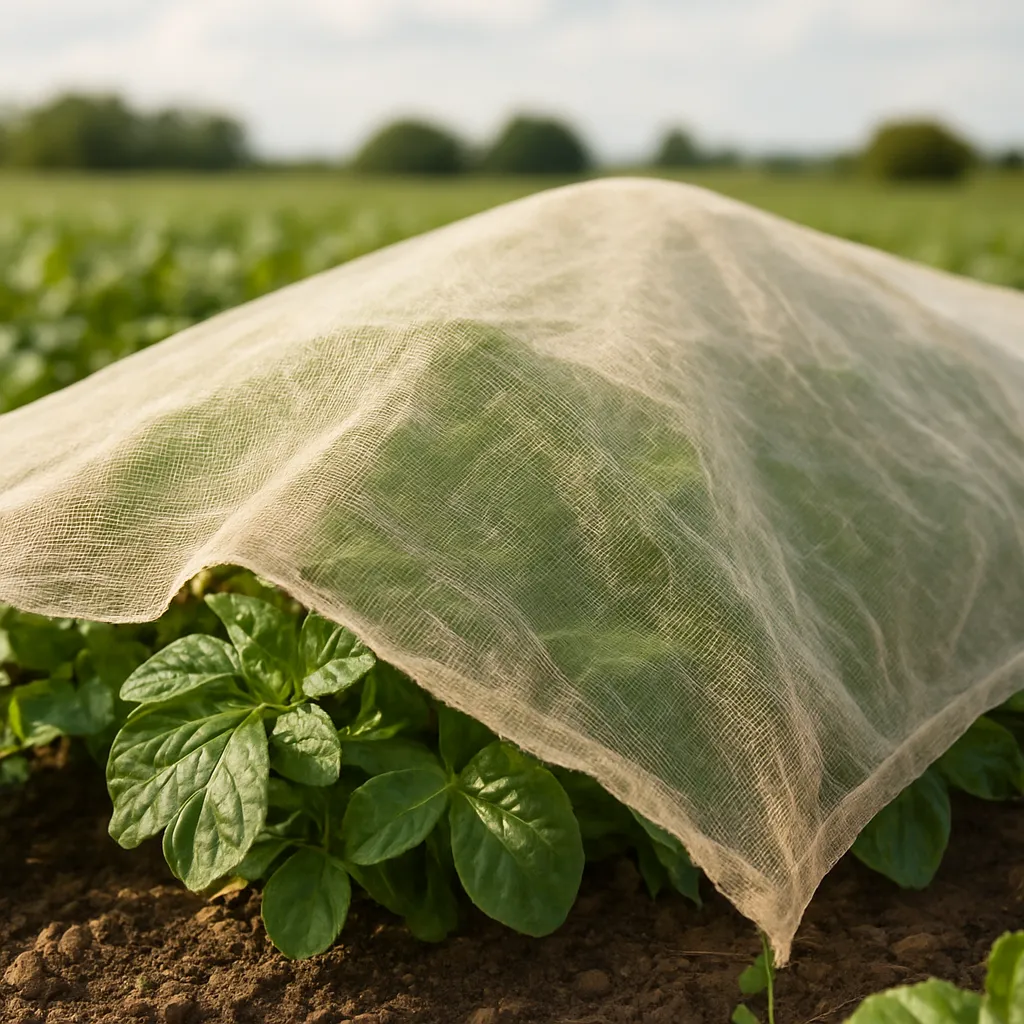
- Biological solutions—such as microbial inoculants and bio-based pesticides—enhance plant vigor while reducing chemical burdens.
- Smart waste processing units convert agricultural byproducts into high-quality compost, biochar, or renewable energy.
Precision Nutrition Management
Variable-rate technology (VRT) delivers fertilizers and amendments tailored to site-specific soil conditions. By mapping soil nutrient levels through grid sampling or proximal sensors, farmers apply inputs only where needed. This targeted application diminishes nutrient losses into waterways and supports optimal plant growth, driving greater resilience and yield stability.
Automated Farm Machinery
Robotic planters and autonomous tractors navigate fields with centimeter-level accuracy, performing tasks from seeding to weeding with minimal soil compaction. These machines can adapt to topography and vary operations on the fly, reducing fuel use and labor costs. Automation also frees farmers to focus on strategic management and monitoring, amplifying overall innovation capacity.
Economic and Social Impacts
Transitioning to a circular model influences farm profitability, community wellbeing, and market dynamics:
- Reduced input expenses: Lower fertilizer, pesticide, and water bills translate into improved margins.
- New revenue streams: On-farm processing of biomass can create value-added products like biogas, biofertilizers, or premium organic produce.
- Job creation: Specialized roles emerge for technicians, data analysts, and sustainability coordinators.
- Stronger local economies: Regional recycling of waste and inputs keeps capital circulating within communities.
- Enhanced food security: Diversified cropping and resilient practices mitigate risks from climate extremes.
Market Incentives and Certifications
Consumers increasingly demand transparency and environmental stewardship. Certification programs for regenerative or organic production can command price premiums, while carbon credit schemes reward farmers for sequestering soil carbon and reducing greenhouse gas emissions. These financial incentives support the adoption of circular strategies and strengthen the link between producers and conscientious consumers.
Collaborative Networks
Cooperatives and multi-stakeholder alliances play vital roles in knowledge sharing, resource pooling, and joint investment in infrastructure—such as community composting hubs or shared machinery banks. By uniting smallholders and larger enterprises, these networks foster sustainability across scales and ensure equitable access to cutting-edge solutions.
Challenges and Future Prospects
Despite clear benefits, several hurdles must be addressed to fully realize circular farming’s potential:
- Initial capital requirements for advanced technologies and processing facilities.
- Regulatory barriers that limit on-farm waste valorization or biogas production.
- Knowledge gaps in system design, requiring targeted extension services and training.
- Market fragmentation, where small volumes of specialty products struggle to reach critical mass.
Looking ahead, policy reforms—such as subsidies for circular infrastructure and supportive trade measures—will be crucial. Research into next-generation bio-based materials, microbial consortia for soil health, and integrated agri-aquaculture systems promises to expand the toolkit for farmers. By aligning public, private, and community efforts, circular farming can scale rapidly, closing the loop on resource use and ushering in a new era of sustainability and prosperity.