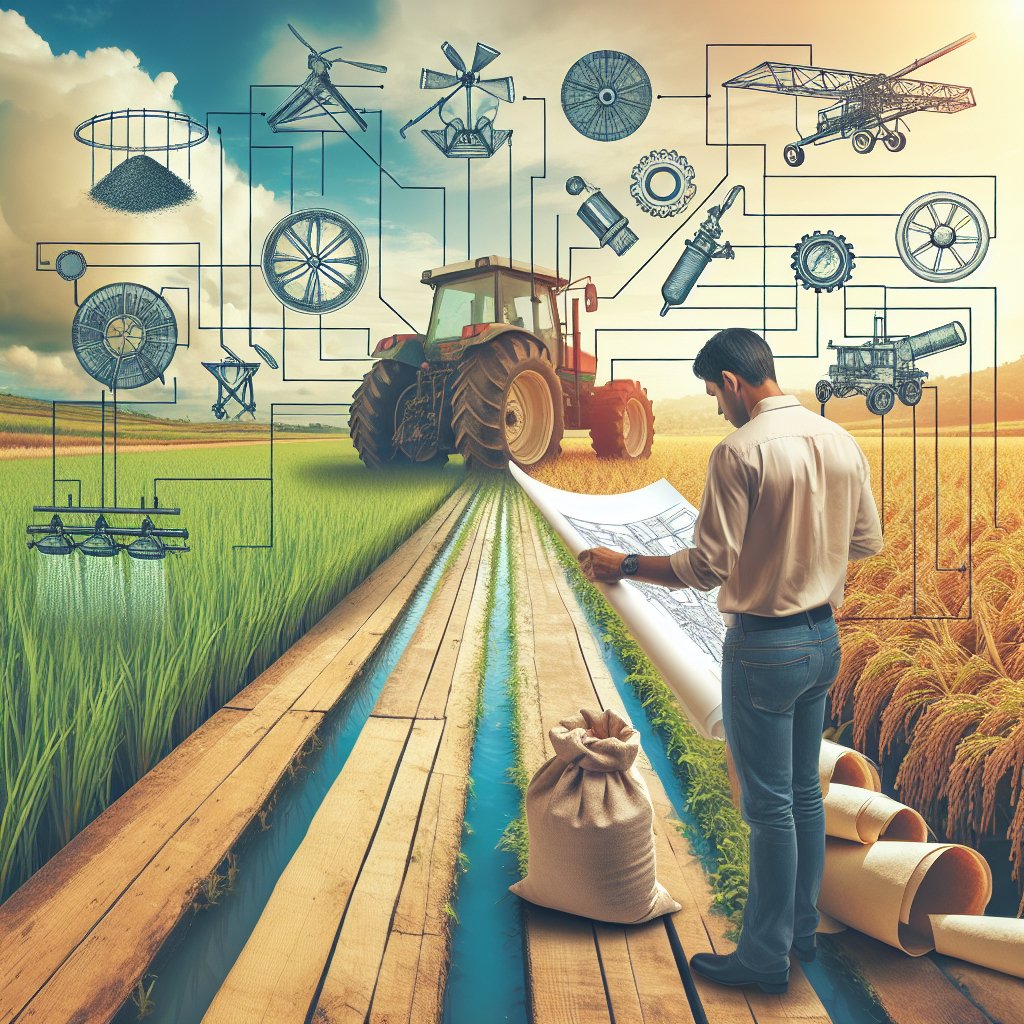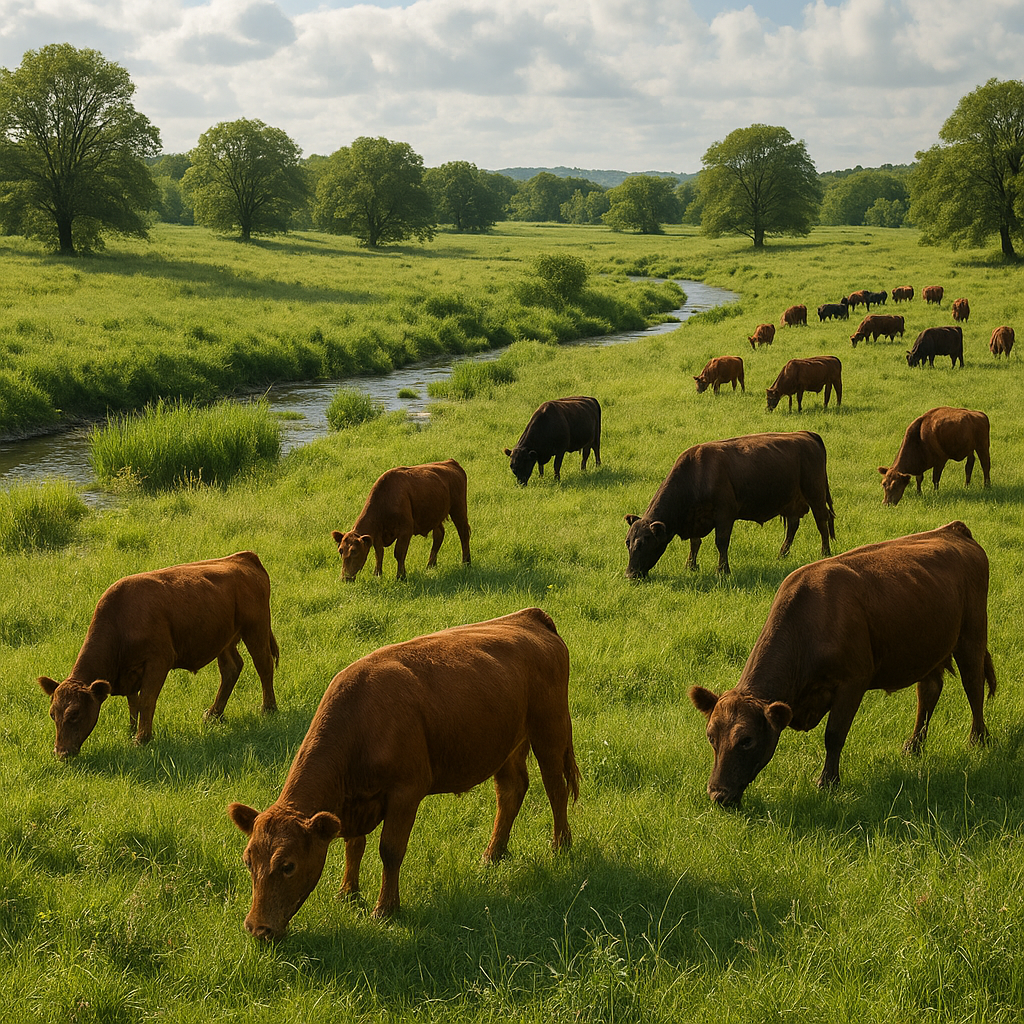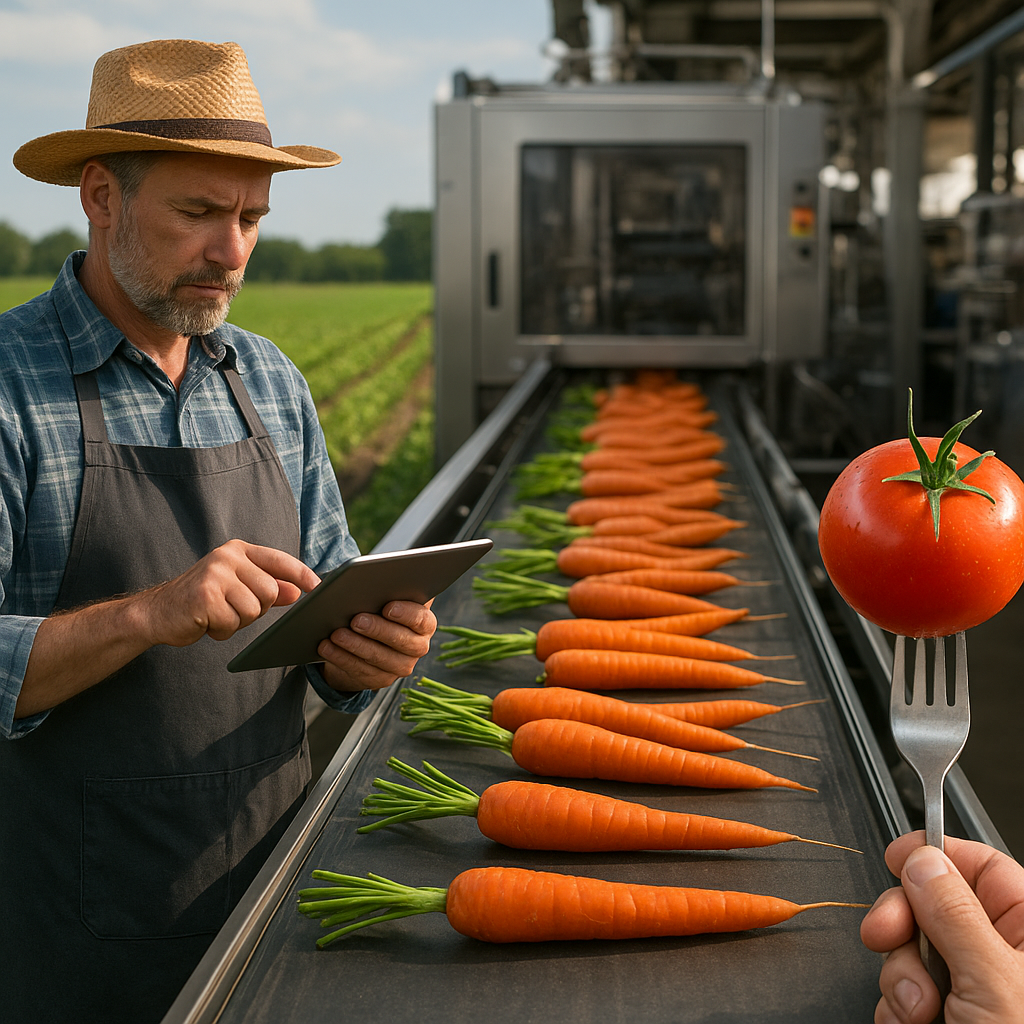
The farm-to-fork supply chain is undergoing a profound transformation, driven by advances in technology, shifts in consumer expectations, and a growing emphasis on **sustainability**. From soil analysis at the planting stage to traceable deliveries on retail shelves, stakeholders across agriculture are embracing innovation to enhance efficiency, reduce waste, and strengthen **transparency**. This article explores several key breakthroughs reshaping how food moves from rural fields to urban tables, focusing on precision agriculture, logistics, packaging, safety, and the broader challenges that accompany rapid change.
Innovations in Precision Agriculture
Smart Sensors and IoT Integration
Modern farms now rely heavily on networks of wireless **sensor** devices linked via **IoT** platforms. Soil moisture probes, weather stations, and drone-mounted cameras feed real-time data into centralized dashboards. Farmers can remotely monitor field moisture levels, microclimate variations, and crop health indicators. Automated irrigation systems respond dynamically to these inputs, conserving water while optimizing yields. The result is more targeted use of resources, improved crop quality, and significant cost savings over traditional blanket approaches.
Data Analytics and Machine Learning
Collecting large volumes of agricultural data is only the first step: applying **data analytics** and **machine learning** algorithms unlocks predictive capabilities. Pattern recognition tools forecast pest outbreaks, nutrient deficiencies, or disease spread days in advance. Machine learning models can recommend the ideal planting density, fertilizer mix, and harvest window based on historical records and current observations. As farmers accumulate multi-season datasets, **automation** of key tasks continues to improve, effectively turning raw information into actionable insights.
Streamlining Logistics and Distribution
Cold Chain Management
Perishable goods depend on robust **cold chain** infrastructure to maintain freshness and safety. Innovations in temperature-controlled packaging, refrigerated transport, and continuous monitoring systems allow real-time alerts if temperatures fluctuate outside critical thresholds. Advanced insulation materials and phase-change cooling packs extend transit life, reducing spoilage rates significantly. Logistics providers now integrate GPS tracking with thermal sensors to ensure end-to-end environmental control, meeting stringent quality standards from harvest to delivery.
Blockchain for Transparency
Adoption of **blockchain** technology is revolutionizing traceability in the farm-to-fork network. By creating immutable digital ledgers of every production and handling event, stakeholders gain unparalleled visibility. Each batch can be scanned at harvest, processing, packaging, and retail checkpoints. Consumers, too, can verify origin stories and verify ethical or organic certifications via simple smartphone apps. This level of **traceability** improves recall responsiveness, deters fraud, and strengthens consumer trust.
Advances in Packaging and Preservation
Biodegradable and Edible Materials
Pressure to reduce plastic waste has spurred research into **agritech** solutions for packaging. New biopolymers derived from algae, starch, and plant fibers break down safely in composting environments. Some startups even produce edible films that wrap fruits or snacks, dissolving harmlessly upon consumption. These materials not only lower ecological footprints but also preserve product freshness through breathable, antimicrobial coatings.
Active and Intelligent Packaging
Active packaging technologies incorporate antimicrobial agents, oxygen scavengers, and moisture absorbers to extend shelf life. Intelligent labels embed color-changing inks or tiny electronic sensors that indicate product maturity, temperature exposure, or gas composition inside sealed trays. Retailers can scan such labels to assess remaining freshness, minimizing food waste by identifying items nearing their optimal consumption window. Together, active and intelligent systems revolutionize how perishables are stored and sold.
Food Safety and Traceability Solutions
Digital Traceability Platforms
End-to-end digital platforms aggregate farm logs, processing records, and distribution milestones into unified dashboards. With a few clicks, quality managers view complete histories for every lot number, including pesticide use, microbial test results, and transit durations. Mobile scanning tools record new events instantly, ensuring the supply chain remains up-to-date. These systems integrate with regulatory databases, automatically generating compliance reports for auditors and inspectors.
Advanced Testing and Certification
Rapid on-site testing kits for pathogens, chemical residues, and allergens empower producers to verify safety before they ship. Portable genomic sequencers can identify bacterial contamination within hours rather than days. Combined with third-party certification bodies, automated test workflows yield verifiable quality seals. This approach not only protects public health but also enhances brand reputation by guaranteeing high standards at every stage.
Challenges and Future Outlook
Barriers to Technology Adoption
Despite clear benefits, smaller farms often face capital constraints that delay investment in advanced equipment. Limited digital infrastructure in rural areas can hamper connectivity for IoT devices. Moreover, a shortage of skilled technicians can leave complex systems underutilized. Addressing these gaps requires industry collaboration, targeted subsidies, and training programs to ensure equitable access to innovation.
Strategies for Stakeholders
- Public-private partnerships to develop affordable agritech solutions.
- Educational initiatives fostering digital literacy among farmers.
- Standardized data protocols to ensure interoperability across platforms.
- Investment in rural broadband and renewable energy to power smart systems.
- Consumer awareness campaigns highlighting benefits of traceable, responsibly sourced produce.
As supply chains become more integrated and resilient, the convergence of precision agriculture, logistics optimization, and transparent traceability promises a new era of efficiency. Continued collaboration across growers, technology providers, logistics firms, and regulators will be essential to realize the full potential of these advancements and deliver fresher, safer, and more sustainable food from field to fork.