Organic coffee production has become a beacon of innovation for sustainable agriculture, integrating advanced techniques to enhance both environmental stewardship and farmer livelihoods. By embracing eco-innovations, producers can foster sustainability, strengthen community ties, and meet growing global demand for ethical, high-quality beans.
Sustainable Cultivation Techniques
Implementing environmentally friendly farming methods lies at the heart of modern organic coffee estates. Producers across Latin America, Africa, and Asia are increasingly adopting practices that safeguard ecosystems while improving crop yield and quality.
Agroforestry and Biodiversity
One transformative approach is agroforestry, where coffee plants are intercropped with native shade trees. This system promotes biodiversity, enhances microclimates, and provides income diversification through timber or fruit harvests.
- Carbon sequestration: Shade trees capture CO2, mitigating climate change impacts.
- Habitat for wildlife: Birds and beneficial insects thrive in shaded coffee plots.
- Improved soil structure: Leaf litter from tree canopies supports nutrient cycling.
Organic Soil Management
Healthy soils are essential to coffee productivity and resilience. Farmers are turning to natural amendments, reducing reliance on synthetic chemicals.
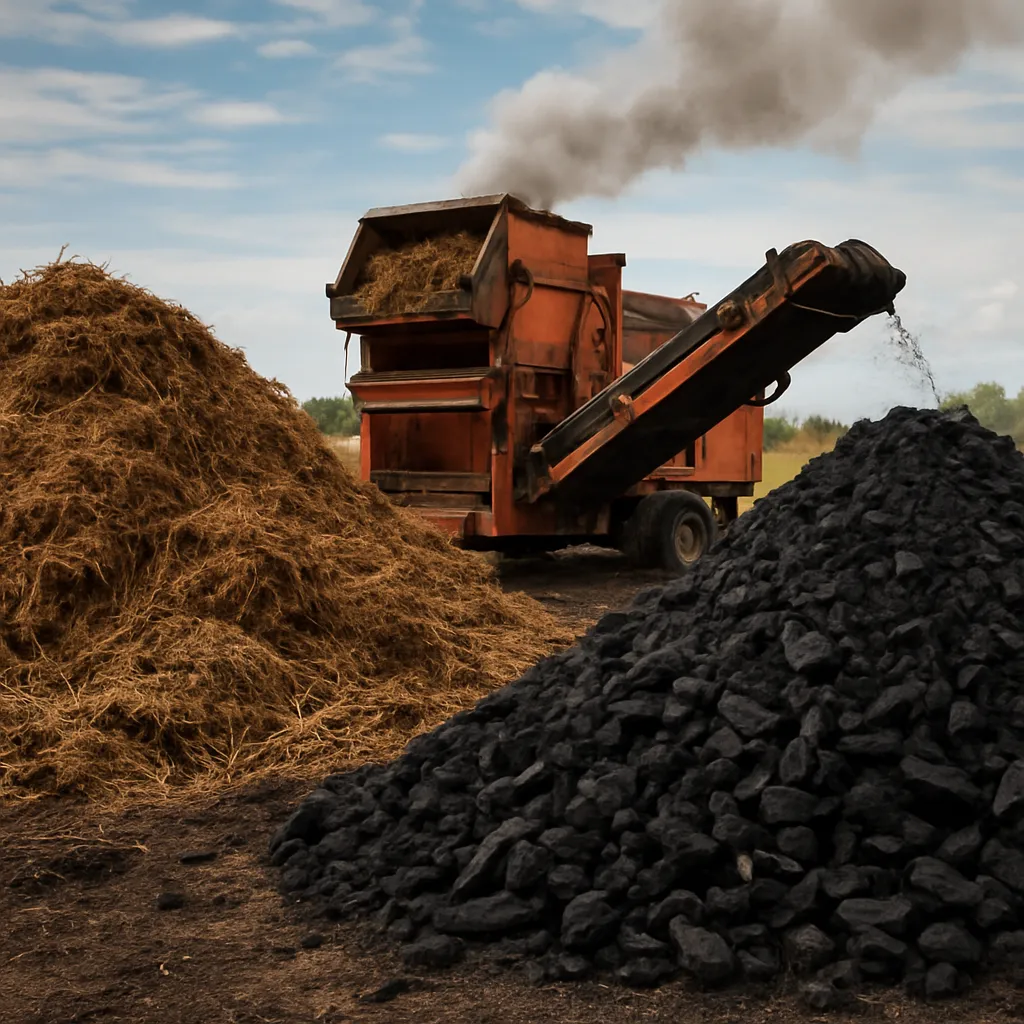
- Composting: Transforming coffee pulp and husks into rich compost enhances soil fertility and water retention.
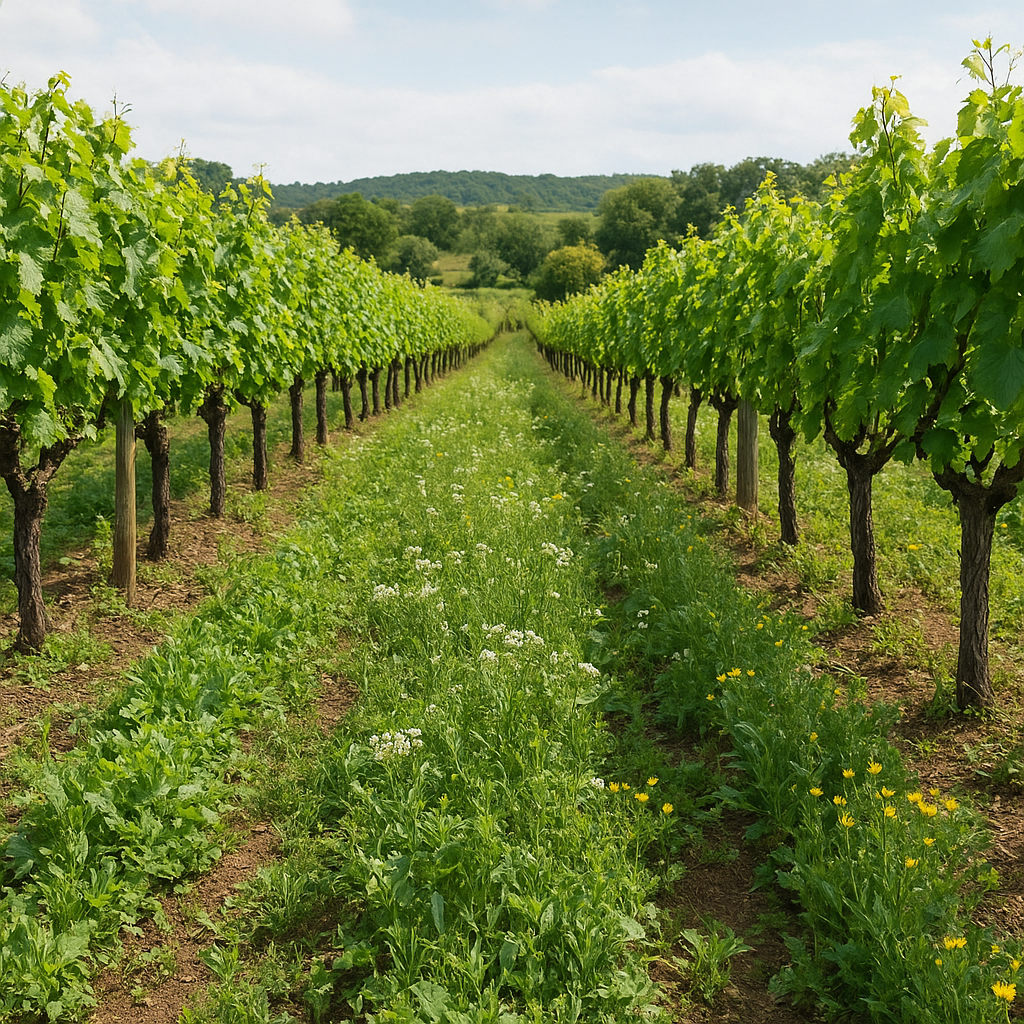
- Green manures: Cover crops like legumes fix nitrogen and prevent erosion.
- Mycorrhizal inoculation: Beneficial fungi form symbiotic relationships with coffee roots, improving nutrient uptake.
Efficient Water Use and Soil Health
Water scarcity and soil degradation present ongoing challenges in coffee-growing regions. Eco-innovative solutions are essential to balance resource conservation with crop needs.
Rainwater Harvesting Systems
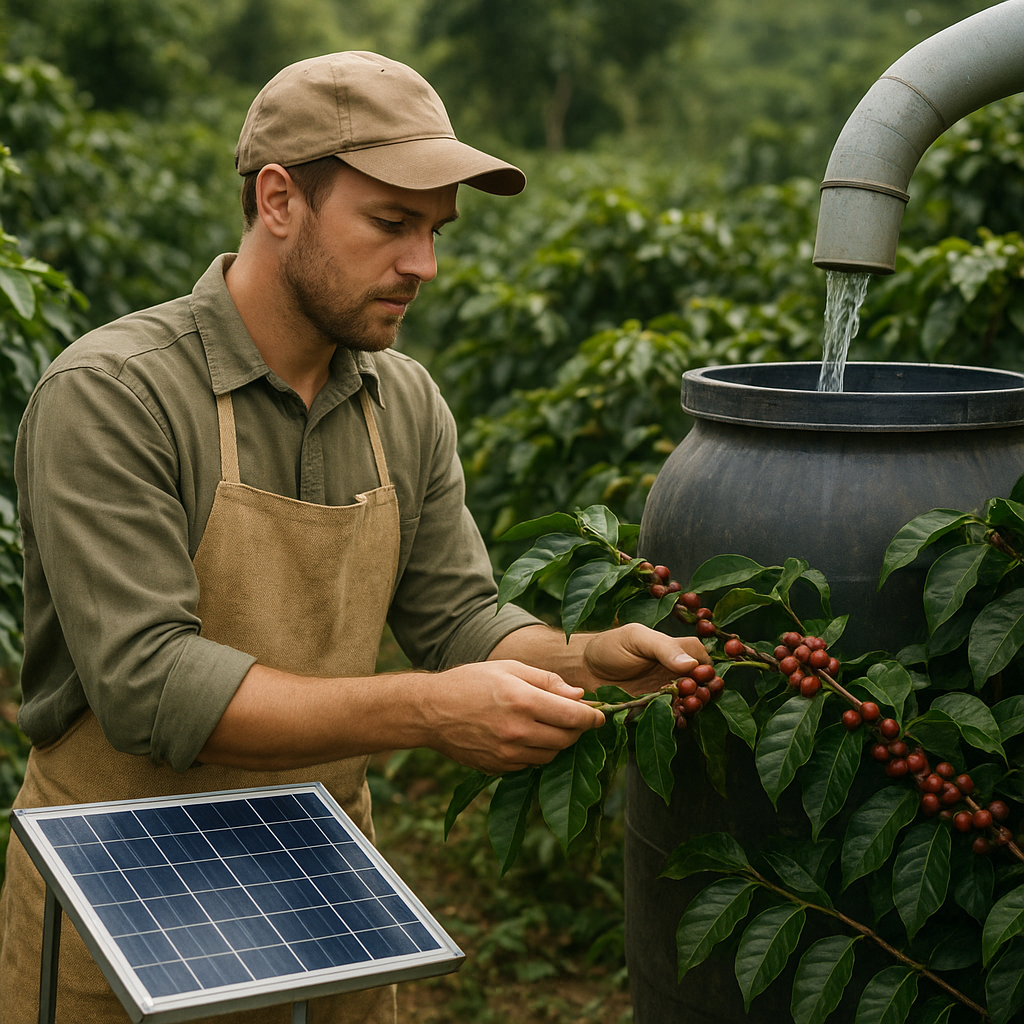
Rainwater collection and storage offer a sustainable alternative to draw irrigation from scarce groundwater or distant rivers.
- Roof catchment: Simple gutter systems divert rainwater into storage tanks.
- Contour bunds: Shallow earth terraces slow runoff, allowing water infiltration.
- Drip irrigation: Delivers precise water doses directly to the root zone, reducing losses by evaporation.
Soil Moisture Monitoring
Advanced sensors help farmers make data-driven irrigation decisions, preventing both under- and over-watering.
- Capacitance probes: Measure volumetric water content to maintain optimal soil moisture.
- Mobile apps: Real-time data alerts guide irrigation scheduling and detect leaks.
- Remote sensing: Satellite imagery estimates field-level moisture stress.
Post-Harvest Processing Innovations
Beyond the farm, eco-friendly processing can drastically reduce energy consumption and waste, delivering a cleaner, more innovative coffee experience.
Solar Drying and Energy Efficiency
Traditional sun-drying on patios exposes beans to contaminants, while mechanical dryers burn large quantities of fuel.
- Solar tunnels: Enclosed chambers maximize sunlight absorption and protect beans from debris.
- Hybrid dryers: Combine solar heat with efficient biomass burners for consistent drying.
- Heat recovery: Systems capture waste heat from mechanical dryers to pre-dry fresh beans.
Water-Conserving Pulping Methods
Wet processing can consume vast amounts of clean water and generate polluting effluent.
- Dry pulpers: Mechanically separate mucilage without water, reducing effluent by up to 70%.
- Closed-loop systems: Treat and recycle processing water for multiple uses.
- Bioreactors: Use microorganisms to biologically degrade mucilage, producing compostable byproducts.
Market Access and Certification Trends
Consumers and retailers are driving demand for ethically sourced coffee. Certification schemes provide transparency and incentives for eco-friendly practices.
Organic and Fair-Trade Certification
Labels such as USDA Organic, EU Organic, and Fair-Trade empower smallholder cooperatives to access premium markets.
- Traceability: Digital platforms record each step from farm to cup, ensuring authenticity.
- Premium pricing: Certified producers often receive higher margins to reinvest in community projects.
- Capacity building: Certification bodies offer training on agronomy, quality control, and environmental compliance.
Blockchain and Digital Innovations
Emerging technologies are revolutionizing supply chain transparency and farmer empowerment.
- Blockchain ledgers: Immutable records of harvest dates, processing details, and transport conditions.
- Smart contracts: Automate payments to farmers upon delivery, reducing financial risk.
- Mobile marketplaces: Connect producers directly with roasters and exporters, cutting out intermediaries.
Community Engagement and Social Impact
Eco-innovative coffee production thrives when local communities are actively involved in decision-making, training, and benefit-sharing.
Farmer Field Schools and Knowledge Exchange
Collaborative learning environments foster peer-to-peer exchange of best practices.
- Hands-on workshops: Demonstrate composting, pruning, and integrated pest management techniques.
- Demo plots: Showcase results of different shade tree species or irrigation systems side by side.
- Farmer-led research: Small grants empower producers to test micro-innovations and share outcomes.
Gender Equity and Youth Engagement
Ensuring that women and young adults participate in leadership roles strengthens social resilience and diversifies income sources.
- Microloans for women: Support small-scale processing units or nurseries.
- Youth cooperatives: Encourage innovative solutions such as drone-based monitoring or mobile apps.
- Leadership training: Cultivate the next generation of agricultural entrepreneurs.