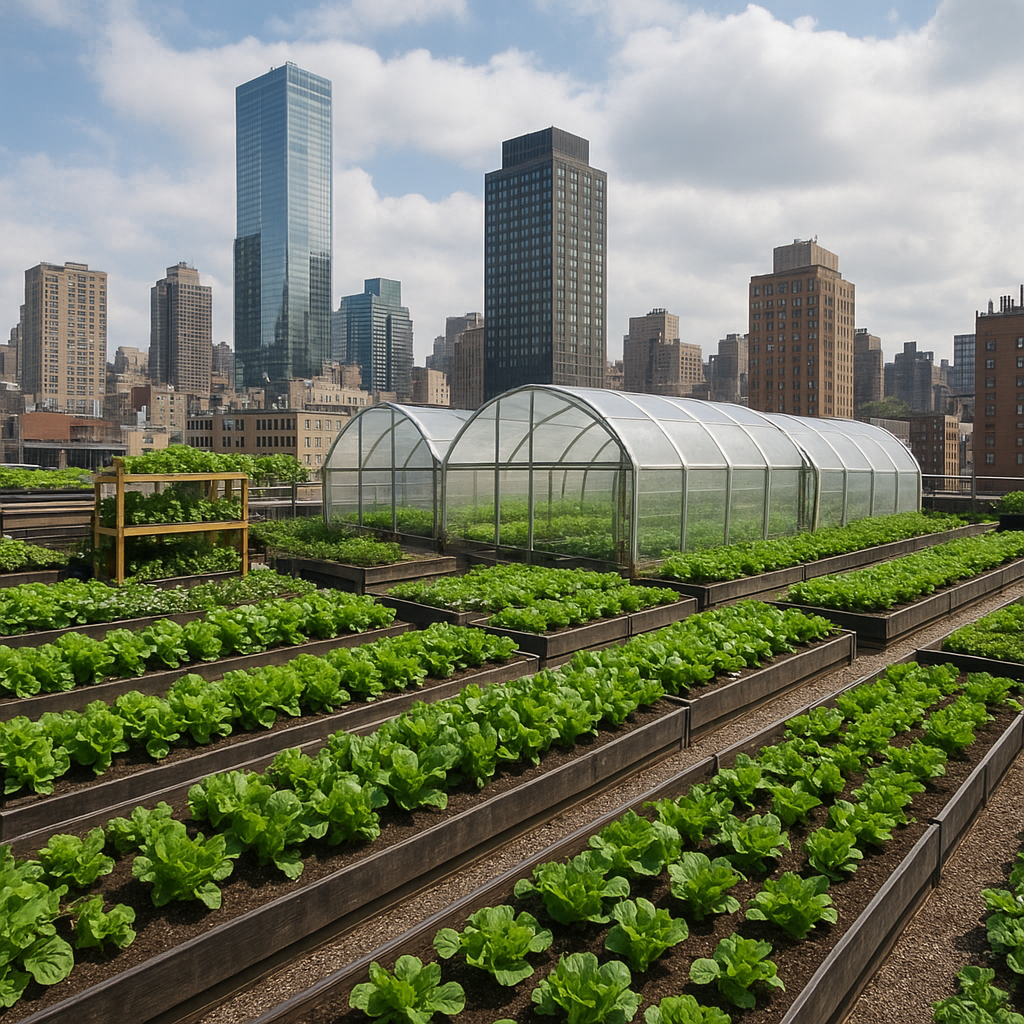
Urban rooftops have the potential to transform concrete jungles into productive landscapes, integrating agriculture into cityscapes and improving food security, air quality, and community well-being. By leveraging innovative farming techniques, city planners and urban farmers can turn underutilized spaces into thriving green ecosystems.
Innovative Hydroponic and Aquaponic Frameworks
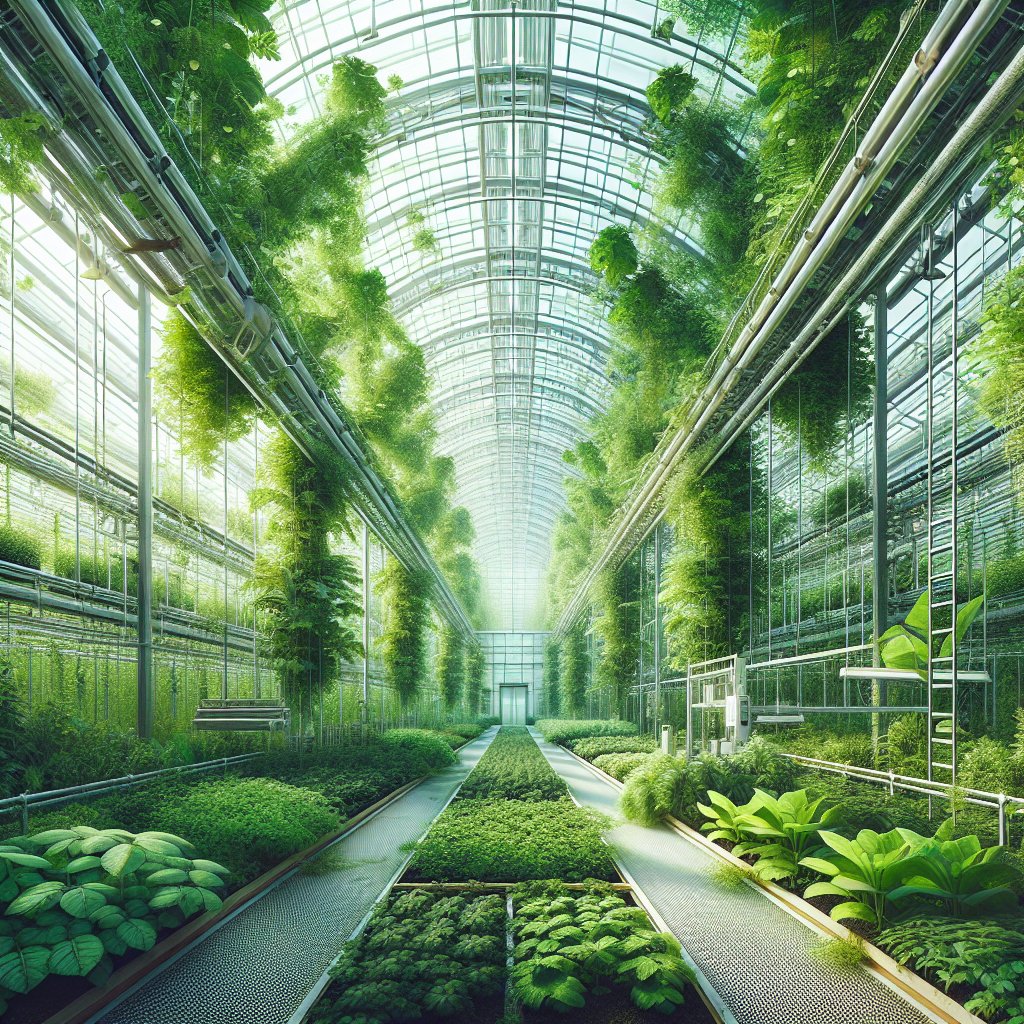
Advancements in soilless farming methods have enabled rooftops to support high-density crop production without the weight and complexity of traditional soil systems. Combining hydroponics and aquaponics, urban growers can optimize space and resource use, reduce water consumption, and achieve year-round production.
Hydroponic Configurations
- Vertical Tower Systems: Stacked columns allow for maximized plant density within minimal footprint, ideal for leafy greens and herbs.
- Floating Raft Tables: Plants are seeded in inert media that float on nutrient-rich water, ensuring consistent root hydration and oxygenation.
- Nutrient Film Technique (NFT): A shallow stream of water flows through slightly sloped channels, delivering essential elements directly to roots.
These setups leverage precise control over nutrient delivery, pH levels, and lighting, ensuring rapid growth cycles and consistent yield.
Aquaponic Symbiosis
- Fish Culture Tanks: Tilapia and koi produce effluent rich in nitrogen compounds, creating a natural fertilizer source.
- Biofilter Beds: Beneficial bacteria convert ammonia from fish waste into plant-usable nitrates within closed-loop systems.
- Integrated Grow Beds: Plants cleanse water before it returns to aquatic habitat, promoting balanced biodiversity.
By harnessing this symbiotic partnership, urban farms can reduce external inputs, minimize waste, and cultivate both aquatic species and vegetables in harmony.
Structural Considerations and Material Choices
Rooftop farming demands careful evaluation of load-bearing capacity, waterproofing integrity, and environmental exposure. Collaboration with structural engineers is essential to ensure safety and longevity.
Load and Safety Assessment
- Dead Loads: Account for substrate weight, plant biomass, and water reservoirs.
- Live Loads: Include maintenance personnel, equipment movement, and seasonal water accumulation.
- Wind Uplift: Robust anchoring methods prevent displacement of planters and shading structures.
Lightweight Growing Media
Traditional topsoil can impose excessive stress on rooftop decks. Instead, sustainable alternatives such as expanded clay aggregates, coconut coir, and perlite deliver required support at a fraction of the weight. These substrates retain moisture, facilitate drainage, and support healthy root expansion.
Waterproofing and Drainage
- Multi-Layer Membranes: Synthetic liners, root barriers, and protection boards safeguard structural elements.
- Drainage Mats: Channel excess water away from planters, preventing saturation and structural damage.
- Rainwater Harvest Systems: Collect roof runoff for irrigation, reducing reliance on municipal supplies and highlighting environmental footprint reduction.
Incorporating passive solar orientation and reflective coatings can also curb heat gain inside the building, improving energy efficiency and mitigating the urban heat island effect.
Environmental Benefits and Urban Ecosystems
Rooftop farming extends beyond food production; it enhances urban ecology by providing habitats, improving air quality, and fostering climate resilience.
Microclimate Regulation
- Transpiration from vegetation cools ambient air, lowering rooftop temperatures.
- Shade structures decrease heat absorption by roofing materials, cutting building cooling loads.
- Vegetated rooftops store stormwater, reducing peak runoff and urban flooding risks.
Habitat Creation
Pocket gardens offer refuge to pollinators, birds, and beneficial insects. Incorporating flowering plants and native species bolsters biodiversity, creating corridors for species movement amidst dense urban fabrics.
Carbon Sequestration
While individual rooftop installations capture modest carbon quantities, cumulatively they can contribute to city-wide reduction strategies. Plant biomass and substrate sequester carbon, offsetting emissions associated with transportation and conventional agriculture.
Community Engagement and Economic Impacts
Urban rooftop farms can serve as hubs for education, social enterprise, and local commerce. They foster community cohesion and deliver fresh, healthy produce in underserved neighborhoods.
Educational Outreach
- Workshops on permaculture principles, composting, and hydroponic operation empower residents with hands-on experience.
- School partnerships integrate rooftop gardens into curricula, teaching biology, chemistry, and sustainability concepts.
- Volunteer programs offer intergenerational knowledge exchange, strengthening neighborhood ties.
Market Development
Locally grown produce reduces transportation costs and spoilage, ensuring peak freshness and nutrient density. Farmers markets, subscription boxes, and partnerships with restaurants create revenue streams that support operational costs.
Policy Incentives
- Tax credits and grants for green roof installations and irrigation systems encourage adoption by property owners.
- Zoning allowances and expedited permitting lower barriers for urban agricultural ventures.
- Utility rebates for solar-powered pumps and energy-efficient lighting systems drive down long-term expenses.
Collaborative frameworks between municipalities, private investors, and community organizations can accelerate the integration of rooftop farming into city planning, ensuring equitable access and shared benefits.
Technological Integration and Future Trends
Emerging innovations promise to further refine rooftop agriculture, boosting efficiency and scalability.
Automated Monitoring and AI
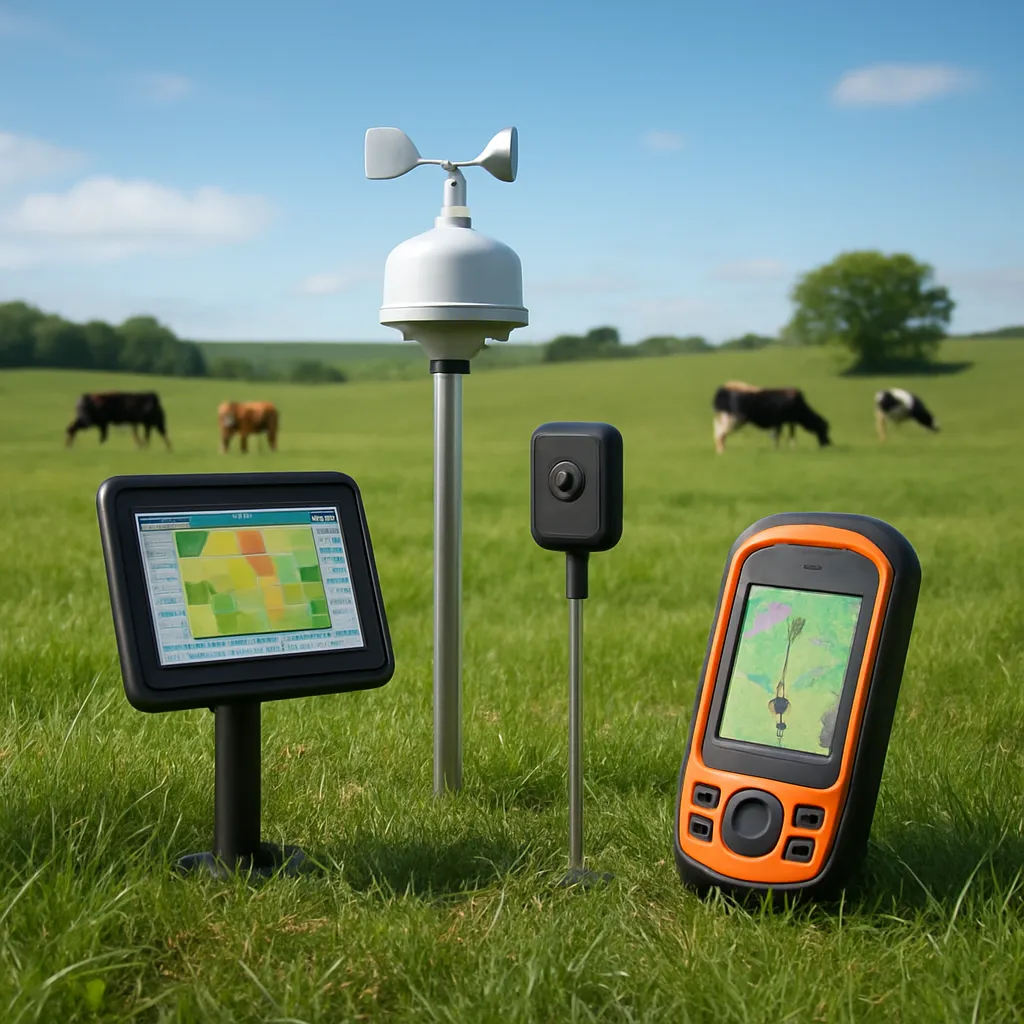
- Sensor Networks: Track humidity, temperature, and nutrient levels in real time, triggering adjustments to maintain optimal growth conditions.
- Machine Learning Algorithms: Analyze historical data to predict crop performance, schedule planting cycles, and forecast resource needs.
Renewable Energy Synergy
Pairing rooftop solar panels with farming systems can power pumps, LED grow lights, and climate controls, creating self-sustaining units that reduce operational carbon output.
Advanced Materials and 3D Printing
- Customizable planter modules can be 3D printed from recycled polymers, tailored to specific building geometries.
- Smart textiles and phase-change materials regulate moisture and temperature within planters.
As technology integrates more deeply into agriculture, urban rooftops will evolve into dynamic, intelligent ecosystems that support resilient food networks and healthier living environments.