The global demand for edible oils continues to rise, prompting a critical search for viable substitutes that can meet both market needs and environmental obligations. The cultivation of palm oil has long been linked to significant ecological and social challenges, spurring researchers, policymakers, and farmers to explore new pathways toward more responsible production. This article delves into the driving factors behind the quest for alternatives, evaluates several promising candidates, and examines the hurdles that must be overcome for a smooth transition within the agricultural sector.
Why Alternatives to Palm Oil Matter
Environmental Impacts
The rapid expansion of oil palm plantations represents one of the leading causes of deforestation across tropical regions. Vast tracts of rainforest are cleared to make way for monocultures, leading to the loss of critical wildlife habitats and a steep decline in biodiversity. Furthermore, peatland drainage and forest burning release significant volumes of carbon dioxide, exacerbating climate change. In regions such as Indonesia and Malaysia, where most palm oil is produced, emissions from land-use change can rival those of major industrial sectors. The challenge lies not only in preserving remaining forest cover but in designing cropping systems that actively enhance ecosystem services, sequester carbon, and maintain water quality.
Socioeconomic Issues
While palm oil cultivation delivers substantial income for smallholders and large agribusinesses alike, it often does so at the expense of indigenous rights and local livelihoods. Disputes over land tenure, combined with inadequate labor standards, can lead to human rights abuses and community displacement. Efforts to improve conditions have given rise to certification schemes, yet many producers remain outside their scope. A balanced approach must recognize the economic importance of the industry while demanding rigorous social safeguards. Ultimately, any alternative must be both economically viable for farmers and aligned with human rights principles.
Promising Alternatives
Agroforestry-based Oils
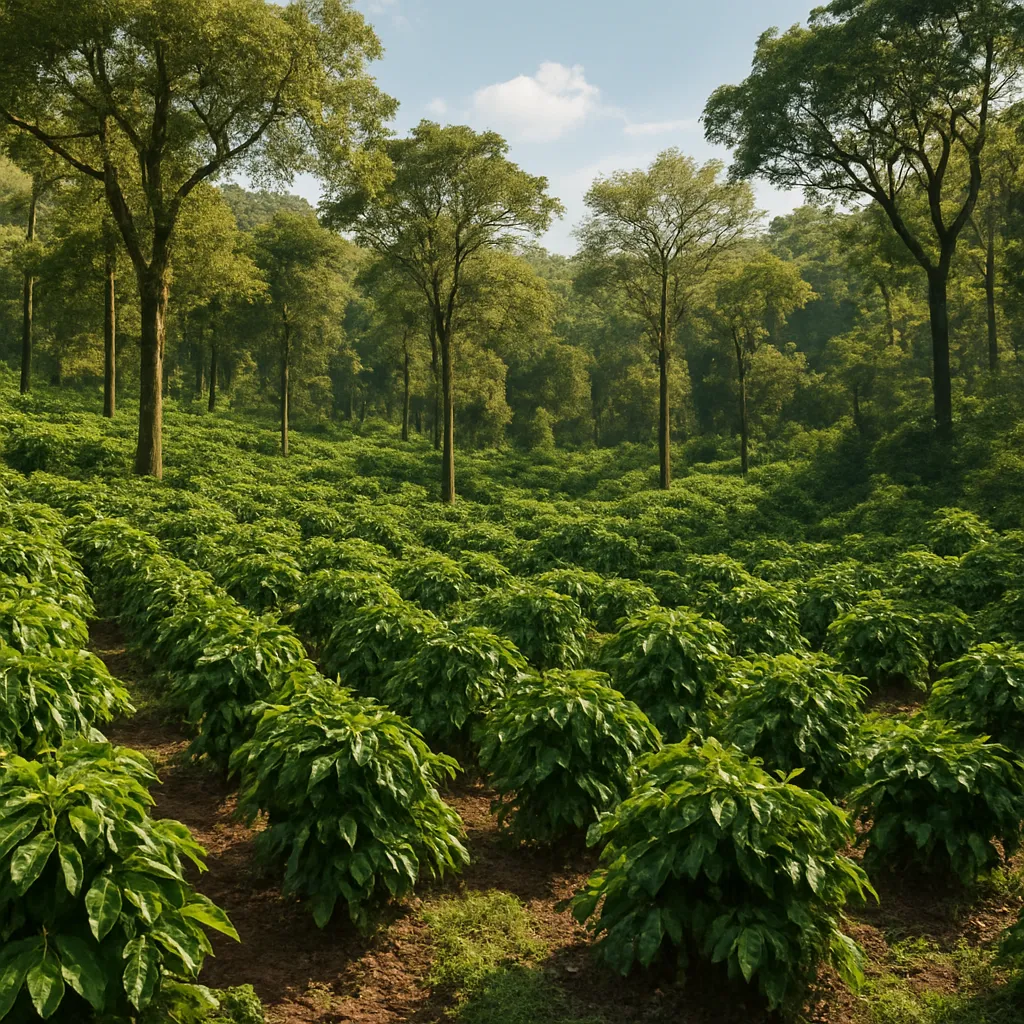
Integrating oil-yielding trees within polyculture systems offers a pathway toward sustainability by fostering diversity and resilience. Species such as African oil palm can be intercropped with shade-tolerant cocoa or rubber, reducing erosion and improving soil health. Agroforestry designs also create multiple revenue streams for farmers, who can harvest fruits, nuts, and timber from the same land parcel. By mimicking natural forest structures, these systems better support wildlife and prevent large-scale habitat conversion. Investments in farmer training and extension services are crucial to scaling up agroforestry, but pilot projects across Southeast Asia and West Africa have already demonstrated significant gains in yield stability and ecosystem recovery.
Algae-derived Oils
Microalgae present an innovative solution with the potential to revolutionize edible oil production. These microscopic organisms can be cultivated in controlled photobioreactors or open ponds, requiring minimal arable land and freshwater. Certain algal strains accumulate high levels of lipids—often exceeding those of traditional oil crops—making them a highly efficient oil source. Moreover, algae cultivation can be coupled with wastewater treatment or carbon capture, delivering additional environmental benefits. Commercialization challenges include optimizing growth conditions, reducing energy inputs for harvesting, and achieving cost-competitive processing. Nonetheless, recent advances in strain selection and bioprocess engineering have propelled algal oils closer to market readiness.
Fungal Oils
Oleaginous fungi represent another frontier in the quest for alternative lipids. These organisms can convert a wide range of feedstocks, such as agricultural residues or industrial byproducts, into oils rich in unsaturated fatty acids. Fermentation facilities for fungal oil production can operate on non-arable land and boast rapid growth cycles, offering a reliable year-round supply. The resulting fungal oils exhibit functional properties similar to traditional palm oil, enabling their use in food formulations, cosmetics, and biofuels. Ongoing research focuses on strain improvement, process intensification, and downstream separation technologies to reduce production costs and scale volumes.
Challenges and Future Directions
Supply Chain and Certification
Introducing novel oil sources into global markets demands robust supply chain integration and transparent verification systems. Certification programs must evolve to encompass emerging alternatives, setting standards for land use, social equity, and resource efficiency. Blockchain and digital traceability platforms can enhance transparency, allowing stakeholders to monitor product origins and environmental footprints. Collaboration among governments, NGOs, and private enterprises is essential to harmonize criteria and avoid fragmentation. Only through coordinated action can new alternatives gain consumer trust and achieve mainstream adoption.
Consumer Awareness and Policy
Public demand ultimately drives market transformation, making consumer awareness campaigns vital for promoting alternative oils labeled as eco-friendly and fair trade. Educational initiatives should highlight the links between purchasing decisions and environmental outcomes, emphasizing the role of certification labels and sustainable practices. On the policy front, governments can incentivize research and production through subsidies, tax breaks, or feed-in tariffs for bio-based industries. Regulations on labeling, import tariffs, and environmental compliance will shape the competitive landscape. Encouragingly, several nations have already launched pilot programs supporting agroforestry and microbial oil ventures, signalling a shift toward more diversified and resilient agricultural systems.