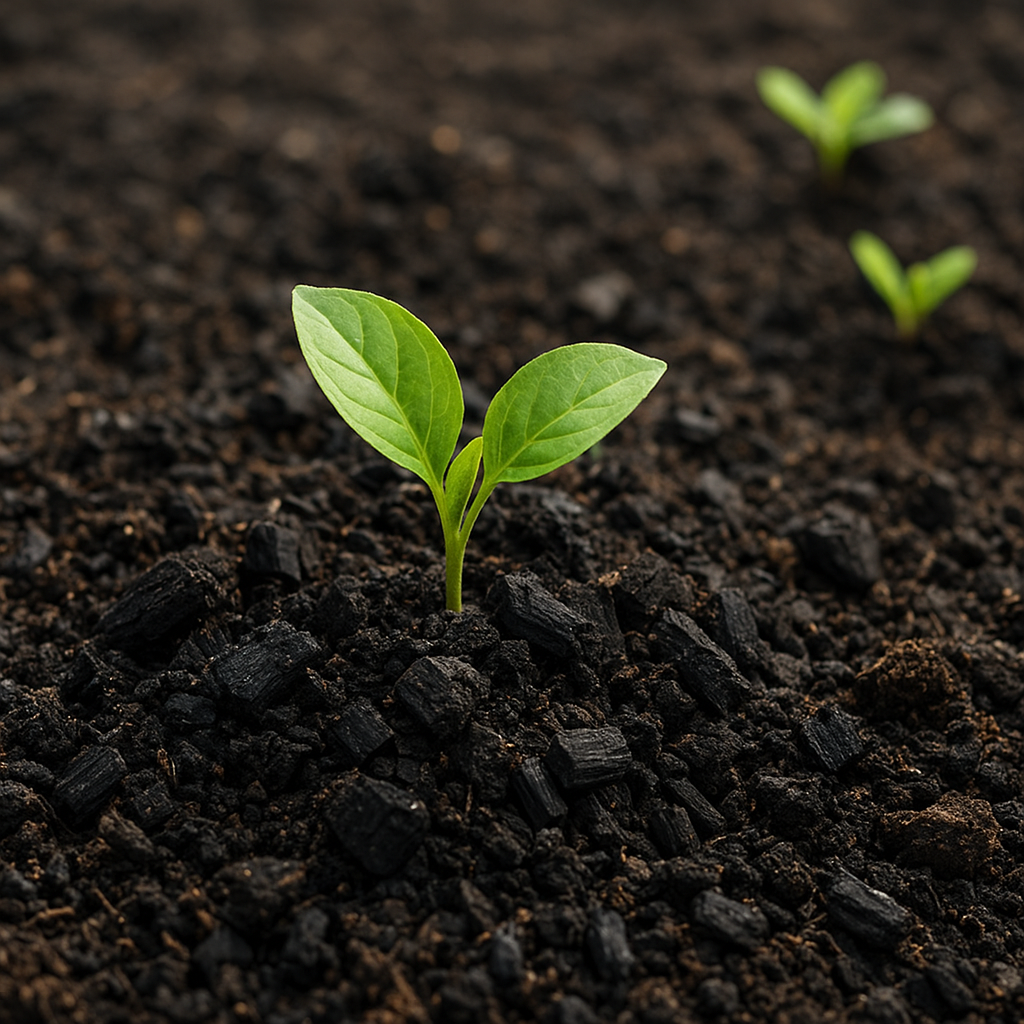
Biochar, a form of charcoal produced through pyrolysis of organic biomass, has emerged as a powerful tool for enhancing soil fertility and driving long-term carbon sequestration. Originating from traditional slash-and-burn agricultural practices, modern biochar applications prioritize controlled production techniques, optimized feedstocks, and meticulous soil integration strategies. This article explores the mechanisms by which biochar transforms degraded lands, its role in mitigating climate change, practical applications for diverse cropping systems, and the challenges that lie ahead for mainstream adoption in sustainable agriculture.
Mechanisms of Biochar in Enhancing Soil Fertility
When applied to agricultural soils, biochar acts as a multifaceted amendment, influencing physical, chemical, and biological properties:
Physical Improvements
- Porosity and Structure: The porous matrix of biochar increases water retention and improves soil aeration, reducing evaporation losses during dry spells.
- Aggregate Stability: Interactions between biochar particles and soil minerals fortify aggregate formation, minimizing erosion and improving root penetration.
- Bulk Density Reduction: By lowering soil bulk density, biochar facilitates deeper root growth and enhances soil tilth.
Chemical Enhancements
- pH Buffering: Many biochars have alkaline properties that can neutralize acidic soils, improving the availability of key nutrients such as phosphorus and molybdenum.
- Cation Exchange Capacity (CEC): The high surface area and charged functional groups boost CEC, enabling soils to hold more ammonium, calcium, and magnesium ions.
- Nutrient Retention: Biochar adsorbs and retains fertilizer-derived nutrients, reducing leaching losses and enhancing fertilizer-use efficiency.
Biological Benefits
- Microbial Habitat: The micro-pores of biochar provide refugia for beneficial soil microbes, including nitrogen-fixing bacteria and mycorrhizal fungi.
- Enzyme Activity: Biochar can stimulate enzymatic processes that catalyze the breakdown of organic matter, releasing nutrients slowly over time.
- Plant Growth Promotion: Enhanced microbial activity and improved nutrient availability often translate into increased crop yields and greater plant vigor.
Role in Carbon Sequestration and Climate Mitigation
By converting biomass into a stable, carbon-rich material, biochar offers an effective pathway for removing CO₂ from the atmosphere:
Stable Carbon Storage
- Resistance to Decomposition: Biochar’s aromatic chemical structure resists microbial breakdown, sequestering carbon in soils for centuries to millennia.
- Negative Emissions: Integrating biochar into wide-scale biomass management can achieve net-negative greenhouse gas emissions by locking carbon in terrestrial reservoirs.
Greenhouse Gas Reductions
- Methane and Nitrous Oxide Suppression: Biochar-amended soils often emit lower levels of CH₄ and N₂O, two potent greenhouse gases associated with flooded rice paddies and synthetic fertilizer use.
- Energy Recovery: Pyrolysis facilities can capture syngas and bio-oil byproducts to generate heat and electricity, offsetting fossil fuel consumption.
Life Cycle Considerations
- Feedstock Sourcing: Utilizing agricultural residues or invasive biomass minimizes land-use change impacts and avoids competition with food crops.
- Process Efficiency: Advances in reactor design and heat recovery systems improve the energy balance of pyrolysis operations, enhancing overall climate benefits.
Applications and Best Practices in Agriculture
Successful biochar integration depends on careful attention to feedstock selection, production parameters, and field management strategies:
Feedstock and Production Parameters
- Biomass Choice: Residues like rice husks, nut shells, and woody prunings each yield biochars with distinct properties; matching feedstock to soil requirements is critical.
- Pyrolysis Temperature: Lower temperatures (< 450 °C) favor nutrient retention, while higher temperatures (> 550 °C) produce more stable carbon matrices.
Application Techniques
- Incorporation Rates: Field trials suggest application rates ranging from 5 to 20 t/ha, with benefits plateauing beyond certain thresholds.
- Mixing with Composts and Manures: Co-amendment strategies can enhance nutrient release profiles and stimulate microbial synergy.
- Seedling Potting Mixes: In nursery systems, blending biochar into potting media improves seedling establishment and reduces transplant shock.
Case Studies
- Maize Production in Sub-Saharan Africa: Farmers recorded up to 30% yield increases on depleted soils with combined biochar and organic fertilizer treatments.
- Vineyards in Mediterranean Climates: Biochar applications reduced irrigation requirements by 15% while improving grape quality metrics.
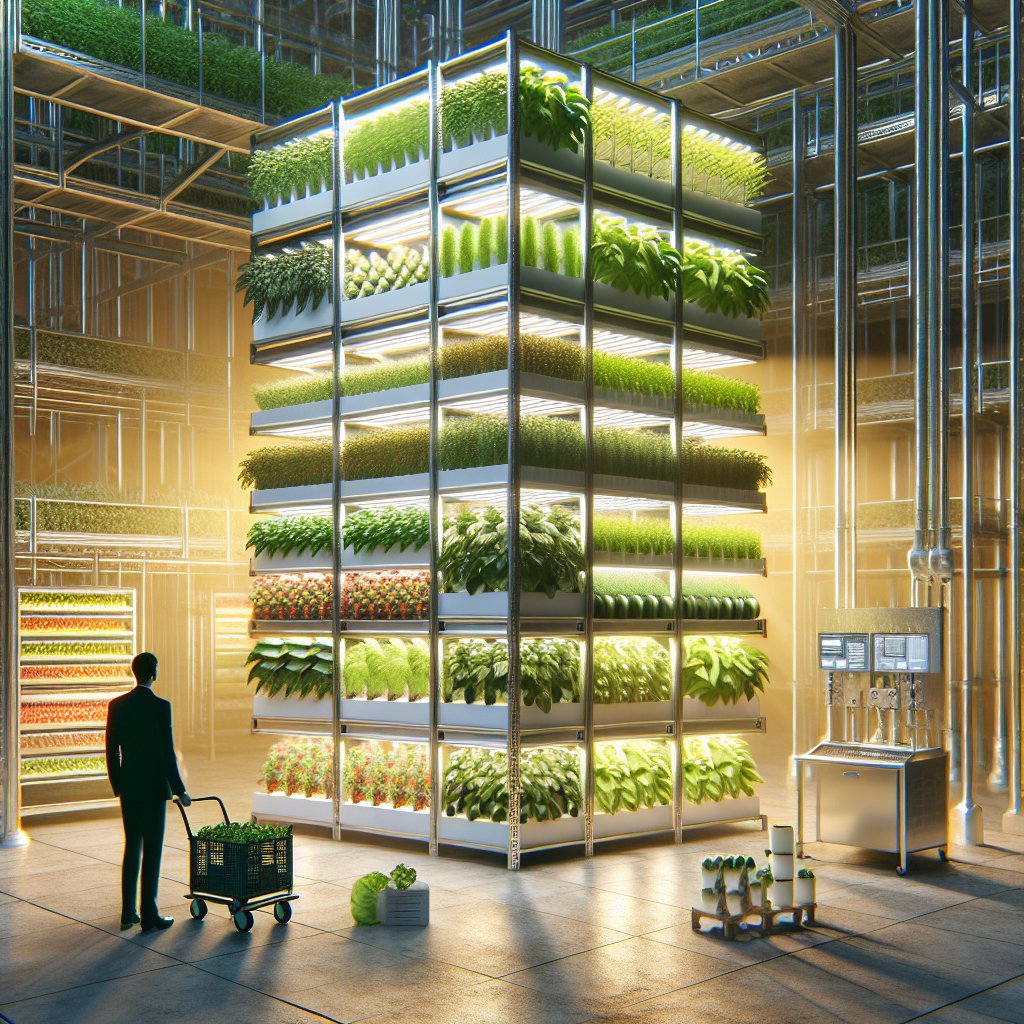
- Urban Agriculture: Rooftop and hydroponic systems have adopted biochar to maintain pH stability and prevent nutrient leaching.
Challenges and Future Perspectives
Despite its potential, widespread biochar adoption faces several hurdles that must be addressed through research, policy, and market development:
Economic and Logistical Barriers
- Production Costs: Capital investments for pyrolysis units and transportation expenses can hamper profitability for smallholder farmers.
- Quality Standards: Diverse biochar characteristics necessitate certification schemes and standardized testing protocols to ensure consistent performance.
Research Gaps
- Long-Term Field Trials: More multi-year studies are needed to evaluate biochar’s legacy effects on soil health and crop productivity.
- Interaction with Agrochemicals: Understanding how biochar interacts with pesticides and fertilizers can refine integrated management strategies.
Policy and Market Incentives
- Carbon Credits and Subsidies: Financial incentives for carbon sequestration and ecosystem service payments can drive adoption among commercial growers.
- Capacity Building: Extension services and farmer training programs play vital roles in demonstrating best practices and building resilience in agricultural systems.
By unlocking the multifaceted benefits of biochar—ranging from enhanced nutrient cycling to durable greenhouse gas mitigation—stakeholders can foster more productive, climate-resilient landscapes and contribute to global efforts for sustainable agriculture.