Seed banks serve as vital repositories safeguarding the genetic resources that underpin global food security. As agricultural systems face increasing pressures from shifting weather patterns, pests, and diseases, the ability to conserve and access diverse crop varieties becomes ever more critical. This article explores how biodiversity in seed collections and innovative preservation techniques contribute to resilient farming systems, ensuring that future generations inherit a robust foundation for sustainable agriculture.
The Role of Seed Banks in Modern Agriculture
The concept of storing seeds for future use dates back centuries, but it is only in recent decades that formalized seed banks have emerged as cornerstones of agricultural research and conservation. These institutions collect, catalog, and preserve seeds from a wide range of crops, from staple cereals to neglected local varieties. By maintaining a vast repository of genetic material, seed banks mitigate the risk of losing valuable traits that could prove essential under changing environmental conditions.
Historical Foundations and Evolution
- Early efforts by local farmers to save seeds season to season established the first informal germplasm reserves.
- National and international organizations began systematic collection in the 20th century to address crop failures and famines.
- Landmark initiatives, such as the establishment of the Consultative Group on International Agricultural Research (CGIAR), expanded global coordination.
Core Functions and Types of Seed Banks
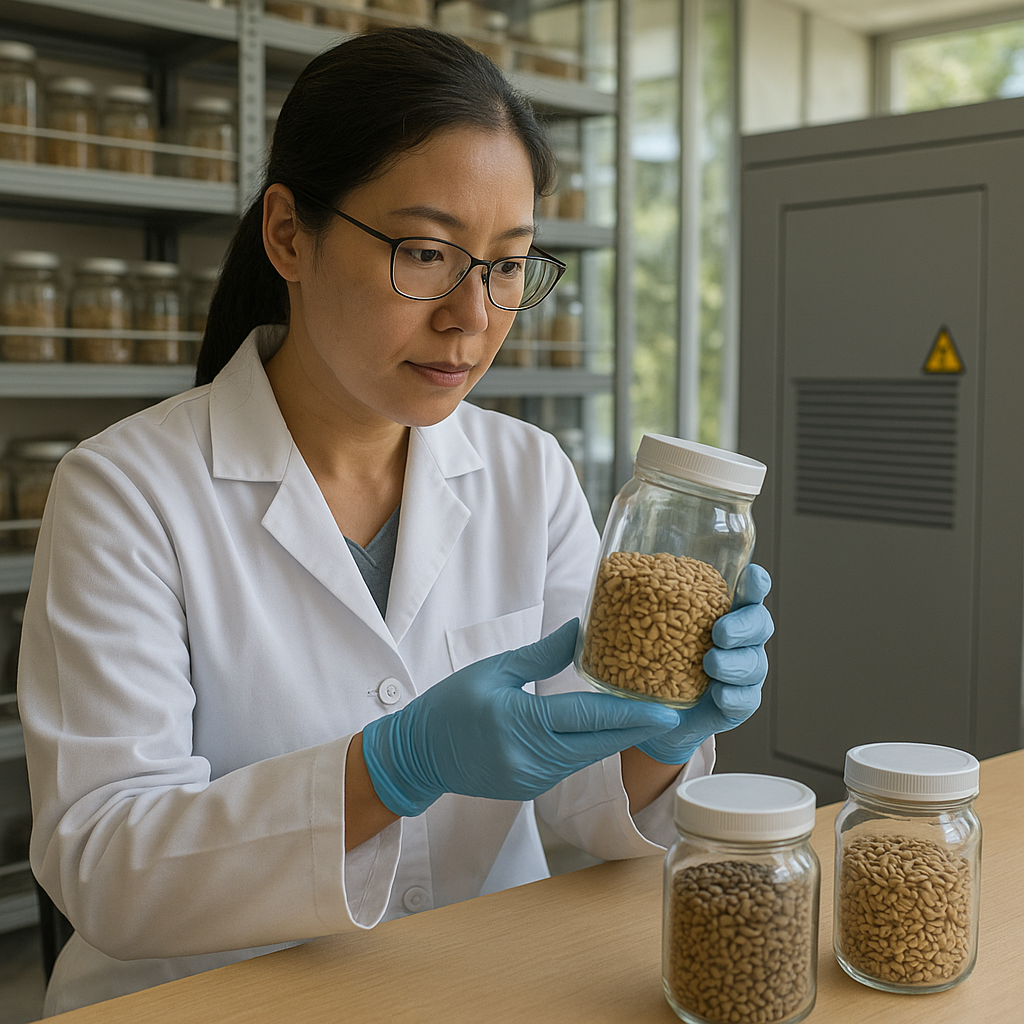
Seed banks vary in scope and methodology but generally operate under two broad categories: ex situ conservation and in situ conservation. Ex situ facilities store seeds under controlled conditions—often at low temperatures and humidity—to prolong viability. In situ approaches maintain crops within their native ecosystems, allowing continued evolution and farmer-led adaptation.
- Seed vaults—like those in Svalbard—offer long-term security against regional catastrophes.
- Regional and community banks preserve local landraces, supporting smallholder resilience.
- Research-focused repositories accelerate breeding programs by providing access to diverse genotypes.
Ensuring Genetic Diversity Through Climate-Resilient Strategies
As global temperatures rise and extreme events become more frequent, the agricultural sector requires robust tools to cope with stressors. Genetic resources housed in seed banks embody a wealth of solutions waiting to be deployed. By leveraging modern biotechnology and refined storage techniques, scientists can identify and utilize traits that confer tolerance to drought, heat, salinity, and emerging pathogens.
Cryopreservation and Advanced Storage Techniques
Cryopreservation involves storing seeds or tissues at ultra-low temperatures, typically in liquid nitrogen. This method halts metabolic activity, preserving viability for decades or even centuries. Cryo-storage of recalcitrant seeds—those that cannot survive conventional drying—expands the range of species that seed banks can conserve.
- Vitrification protocols protect cellular integrity during freezing and thawing.
- Encapsulation-dehydration combines hydrogel beads with drying steps for sensitive tissues.
- Periodic germination tests verify viability, ensuring a reliable stock of viable material.
Integrating Data and Digital Tools
Seed banks increasingly adopt digital platforms to document and share critical information. Genetic sequences, phenotypic data, and climate models converge in databases that guide breeding efforts and conservation priorities. By linking empirical field observations with climate projections, researchers can pinpoint which accessions are best suited to future conditions.
- High-throughput genotyping accelerates the identification of adaptive alleles.
- Machine learning models predict performance under projected climate change scenarios.
- Open-access repositories encourage collaboration across geographic and disciplinary boundaries.
Case Studies and Emerging Frontiers
Several pioneering projects illustrate how strategic seed banking can bolster global agricultural resilience. From polar vaults to farmer-managed community banks, these initiatives highlight scalable approaches that balance centralized security with local empowerment.
Svalbard Global Seed Vault
Located deep within an Arctic mountain, the Svalbard facility exemplifies ultimate safeguarding. Housing over one million seed samples, the vault operates as a backup for national and international collections. Its permafrost environment and robust design provide multi-layered security against technical failures and geopolitical risks.
- Backups of major crop species, including wheat, rice, maize, and legumes.
- Annual deposit processes ensure up-to-date genetic variation coverage.
- Transparent governance fosters trust among contributing nations and research bodies.
Community Seed Banks and Participatory Conservation
At the local level, smallholder farmers and indigenous groups play a pivotal role in preserving crop diversity. Community seed banks facilitate the exchange of landraces adapted to microclimates, offering immediate solutions for climate stress. Participatory breeding programs strengthen ties between farmers and scientists, ensuring that new varieties meet both agronomic and cultural needs.
- Decentralized storage reduces the footprint of major facilities and empowers local stewardship.
- On-farm trials enable real-time selection for adaptation traits such as early maturation or pest resistance.
- Knowledge-sharing workshops promote sustainable practices and seed-saving skills.
Policy Frameworks and International Collaboration
Effective seed bank operations rely on supportive policy environments. International treaties, such as the International Treaty on Plant Genetic Resources for Food and Agriculture (ITPGRFA), facilitate equitable access to genetic materials and benefit-sharing. Harmonized regulations on germplasm movement and intellectual property protection encourage public-private partnerships.
- Standard Material Transfer Agreements (SMTAs) streamline germplasm exchange.
- National biodiversity strategies align with global conservation targets.
- Public awareness campaigns highlight the importance of sustainability and seed sovereignty.
Future Directions and Innovations
Advances in synthetic biology, genome editing, and remote sensing hold promise for the next generation of seed banking. Customizable seed coatings may enhance storability, while field-deployable molecular diagnostics can assess seed health on-site. Integrating traditional knowledge with cutting-edge science will be key to cultivating a resilient and diverse agricultural landscape.
Genome Editing and Pre-Breeding
- CRISPR-based techniques uncover and introduce stress-tolerance genes from wild relatives.
- Pre-breeding programs broaden the genetic base available to commercial breeders.
- Ethical guidelines ensure responsible use and equitable benefit-sharing.
Decentralized, Digital Seed Networks
Blockchain and distributed ledger technologies could revolutionize tracking seed provenance and transactions. A networked system of regional hubs, linked through digital platforms, ensures rapid mobilization of germplasm during crises while preserving local autonomy.
- Transparent seed histories to prevent biopiracy and unauthorized use.
- Real-time inventory management across continents.
- User-friendly mobile apps for farmers to access and contribute to seed databases.
By embracing a holistic approach that combines robust crop resilience, meticulous conservation of germplasm, and forward-looking policy support, the global community can navigate the challenges of a warming planet. Climate-resilient seed banks remain an indispensable bulwark against uncertainty, preserving the raw material for tomorrow’s agricultural innovations.