Innovations in cold storage are transforming the agricultural sector by dramatically reducing post-harvest losses that once plagued farmers and distributors. By integrating cutting-edge technologies and sustainable practices, the industry is tackling the challenges of spoilage, quality degradation, and logistical inefficiencies. These advancements not only preserve the nutritional value and marketability of fresh produce but also contribute to global food security and economic resilience.
Understanding Post-Harvest Losses in Agriculture
Agricultural products, especially fruits and vegetables, are inherently perishables that require precise handling from harvest to consumption. When crops are exposed to uncontrolled environmental factors, significant portions can spoil before reaching consumers. Globally, post-harvest losses can range from 20% to 40%, imposing substantial economic burdens on growers and supply chain stakeholders.
Two critical parameters affecting produce longevity are temperature and humidity. Even slight deviations can accelerate ripening, lead to microbial growth, or trigger physiological disorders. Additionally, ethylene gas—a naturally occurring plant hormone—can hasten senescence in ethylene-sensitive produce like bananas and tomatoes. If not managed, ethylene accumulation in storage leads to uneven ripening and increased waste.
Moreover, the complexity of logistics exacerbates losses. Transport vehicles lacking proper insulation or refrigeration units expose goods to fluctuating conditions. At distribution centers, insufficient monitoring allows harmful conditions to persist unnoticed. The result: diminished shelf life, reduced market value, and escalated food insecurity in vulnerable regions.
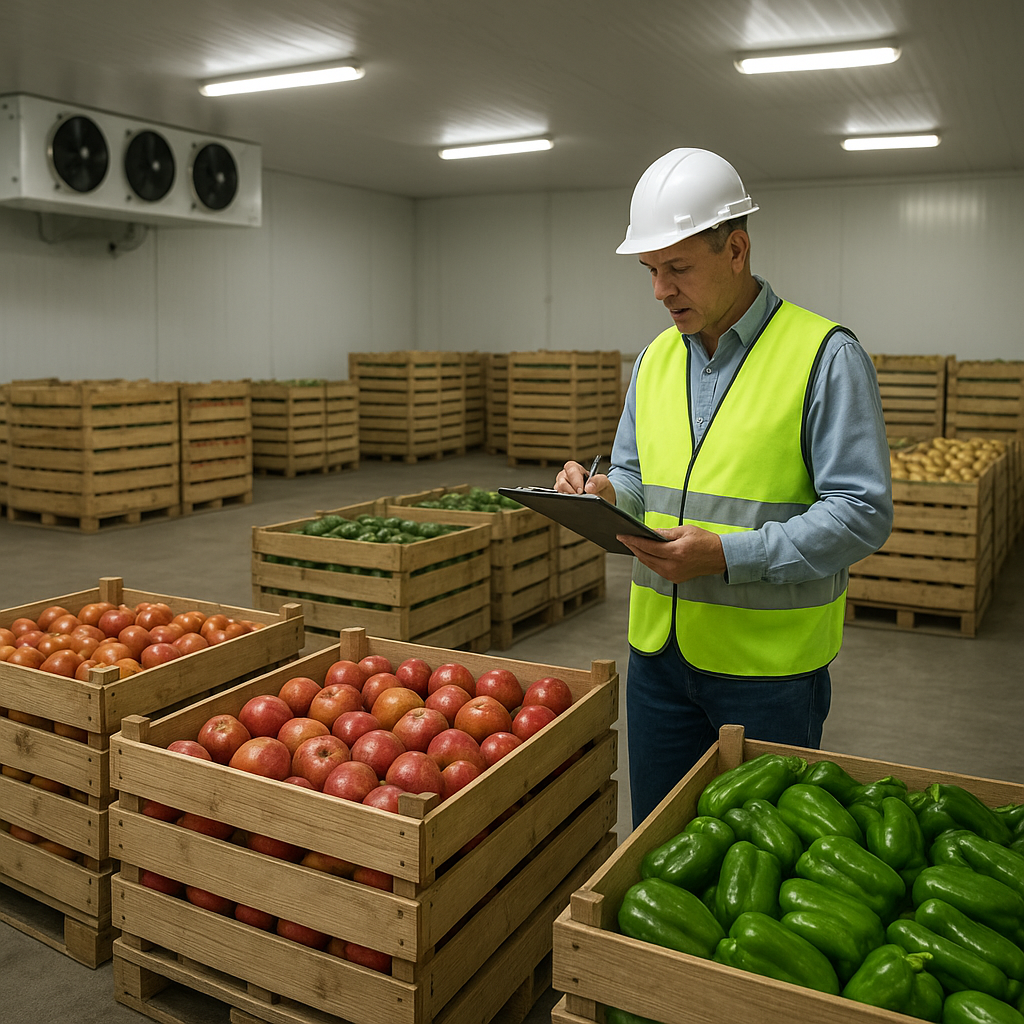
To address these issues, stakeholders are deploying specialized cold chain logistics that preserve product integrity at every stage. From on-farm precooling methods to climate-controlled warehouses, each link in the chain must be optimized. This holistic approach demands both technological innovation and collaborative frameworks among producers, transporters, and retailers.
Innovative Cold Storage Technologies
Modern cold storage solutions leverage advanced refrigeration systems, state-of-the-art insulation materials, and automated controls to maintain ideal environments. These breakthroughs extend shelf life, ensure consistent quality, and reduce overall waste.
Mechanical Refrigeration and Insulation Advances
- High-Efficiency Compressors: New compressor designs achieve lower energy consumption while maintaining steady temperatures, critical for long-term storage.
- Vacuum Insulation Panels (VIPs): VIPs offer superior thermal resistance compared to conventional materials, reducing heat infiltration and power requirements.
- Phase Change Materials (PCMs): By absorbing and releasing thermal energy at specific temperatures, PCMs act as passive buffers, stabilizing storage conditions during power fluctuations.
Controlled and Modified Atmosphere Storage
Controlled Atmosphere (CA) storage adjusts oxygen, carbon dioxide, and nitrogen levels to slow metabolic processes in stored produce. Modified Atmosphere Packaging (MAP) applies similar principles at the package level, combining gas mixtures with breathable films. These methods regulate ethylene accumulation and minimize respiration rates, preserving flavor, texture, and nutrient content.
Evaporative Cooling and Renewable-Powered Systems
In water-rich regions, evaporative cooling chambers offer a low-cost alternative to traditional refrigeration. By passing air through wet pads, these chambers lower surrounding temperatures, aligning with the optimal range for many vegetables. Coupling this technique with solar panels enhances energy efficiency and reduces operating costs, particularly in off-grid rural areas.
Advanced Monitoring with IoT and Smart Technology
Internet of Things (IoT) devices equipped with sensors continuously track temperature, humidity, and gas concentrations. Data is transmitted in real time to centralized dashboards, alerting managers to deviations before spoilage occurs. Machine learning algorithms predict optimal storage adjustments, enabling proactive interventions and minimizing human error.
- Wireless Sensor Networks: Low-power sensors deployed throughout storage zones provide granular insights into microclimates.
- Predictive Analytics: AI-driven platforms analyze historical and current data to forecast spoilage risks and recommend corrective actions.
- Remote Control and Automation: Automated valves, fans, and compressors respond instantly to sensor alerts, ensuring consistent conditions around the clock.
Sustainable Practices and Future Trends
As environmental concerns intensify, the agricultural cold chain is embracing sustainable strategies to reduce carbon footprints and conserve resources. Integrating green technologies and circular economy principles enhances resilience and aligns with global climate goals.
Renewable Energy Integration
Solar-powered cold rooms and biogas-fueled refrigeration units are gaining traction in regions with unreliable grid access. These systems harness local energy sources, cutting dependence on fossil fuels and lowering greenhouse gas emissions. Hybrid configurations, combining solar photovoltaics with battery storage, ensure uninterrupted operation even during nighttime or cloudy conditions.
Water Conservation and Waste Heat Recovery
Innovations in water recirculation within evaporative cooling systems reduce freshwater consumption. Meanwhile, waste heat from compressors can be repurposed for on-site heating or water purification, enhancing overall resource utilization. These measures embody a sustainability ethos, where every energy flow is optimized.
Collaborative Platforms and Transparency
Blockchain-based traceability platforms are increasing transparency across the cold chain. By recording each temperature reading and handling event on an immutable ledger, stakeholders can verify product quality and origin. This fosters trust among consumers and incentivizes best practices among producers and distributors.
Emerging Nanotechnology and Biodegradable Insulation
Research in nanomaterials is yielding insulation panels with enhanced thermal properties and reduced thickness. Concurrently, biodegradable foams derived from agricultural byproducts are being developed, offering eco-friendly alternatives to synthetic insulation. Together, these advancements promise more compact, efficient, and low-impact cold storage units.
Policy Support and Capacity Building
Government initiatives and international development programs are vital for scaling cold storage solutions in low-income regions. Subsidies, training workshops, and infrastructure grants help smallholder farmers access modern facilities. Strengthening local capacity ensures that innovations translate into tangible reductions in post-harvest losses.
The synergy of cutting-edge technology, renewable energy, and collaborative frameworks is ushering in a new era of post-harvest management. By prioritizing both efficiency and environmental stewardship, the agricultural sector can safeguard yields, stabilize markets, and enhance food security worldwide.