Composting toilets are increasingly recognized as an innovative solution to bridge the gap between human waste treatment and rural agricultural productivity. By integrating on-site waste processing with local farming systems, these systems provide an opportunity to close nutrient loops, reduce environmental pollution, and empower farmers in resource-limited settings. This article explores how composting toilets can support rural agriculture through enhanced soil fertility, efficient design and implementation, and supportive policies.
Environmental and Agricultural Benefits of Composting Toilets
Enhancing Soil Fertility through Nutrient Cycling
The application of properly treated human excreta transforms a waste product into a nutrient-rich amendment. Toilet compost contains essential macronutrients—nitrogen, phosphorus, and potassium—that are vital for crop growth. Unlike chemical fertilizers, compost derived from human waste releases nutrients slowly, promoting long-term soil health and reducing the risk of nutrient leaching into groundwater. Microbial activity during decomposition breaks down organic matter into stable forms, enriching soil structure and increasing its water retention capacity. Farmers can leverage this organically derived material to improve yields of vegetables, cereals, and fruit trees without depending on expensive external inputs.
Reducing Water Consumption and Pollution
Traditional flush toilets require significant volumes of potable water—often exceeding 50 liters per person per day. In contrast, composting toilets operate without or with minimal water, making them ideal for rural communities facing water scarcity. By diverting human waste from conventional septic systems or sewage networks, these toilets also minimize the release of untreated effluent into rivers and lakes. The reduction in waterborne pathogens and nutrient runoff translates to healthier aquatic ecosystems. Moreover, the absence of greywater contamination simplifies farm pond management and supports aquaculture initiatives.
Promoting sustainability and ecological Resilience
Composting toilets embody the principles of a circular economy by converting waste into a valuable input. This closed-loop approach decreases reliance on fossil-fuel-based fertilizers and cuts greenhouse gas emissions associated with conventional waste treatment. Furthermore, the solid end-product can be stored safely, eliminating odor and enabling controlled application to fields. As a result, farmers cultivate greater resilience against market fluctuations in fertilizer prices and supply chain disruptions. The system also supports biodiversity by maintaining healthy soil biota and reducing habitat degradation linked to industrial agriculture.
Design and Implementation in Rural Settings
Key Components and System Types
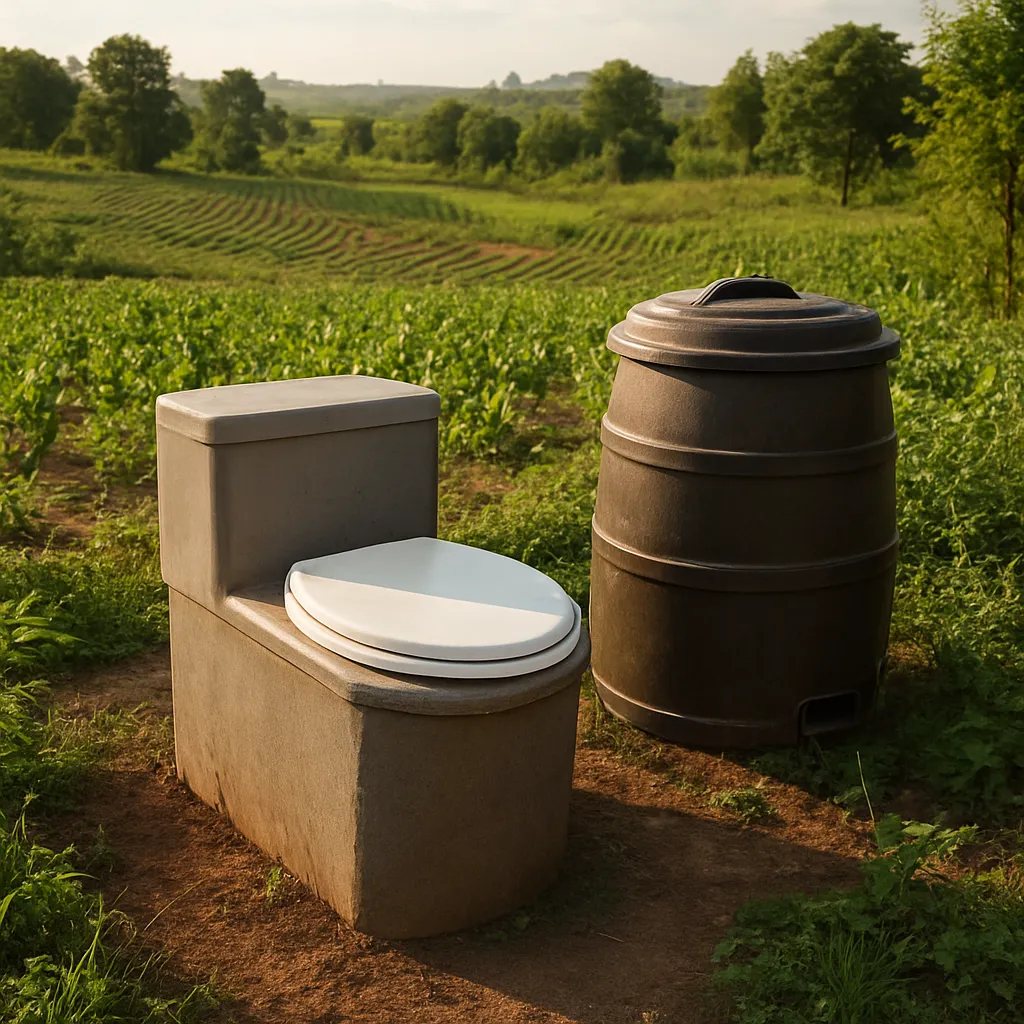
Composting toilets vary in design, but all share certain core elements: a collection chamber, aeration mechanism, and maintenance protocol. Systems range from simple dry vaults to more sophisticated multi-chamber models with forced ventilation. The most effective designs ensure optimal conditions for aerobic decomposition—temperature control, moisture balance, and sufficient oxygen. Users add bulking agents such as sawdust, straw, or coconut coir to maintain porosity and absorb excess moisture. Some models incorporate separate urine diversion to enhance nitrogen recovery and accelerate the composting process.
Selecting Appropriate Technologies
Choice of system depends on climate, user preferences, and local materials availability. In arid regions, passive ventilated vaults with expanded metal screens can withstand extreme heat, while in humid climates, closed tanks with mechanical fans help prevent odors and insect infestations. Panels of solar-powered aerators further improve airflow in off-grid areas. In flood-prone zones, elevated or sealed installations ensure that waste remains contained. Training local technicians in assembly and maintenance fosters community ownership and reduces long-term reliance on external suppliers.
Integrating with Farm Operations
- Site selection: position toilets downhill from water sources and away from food gardens.
- Compost maturation: allow at least 12–18 months of curing to eliminate pathogens.
- Application guidelines: incorporate compost at recommended rates, typically 2–5 tonnes per hectare.
- Record keeping: monitor crop performance, soil pH, and nutrient levels to fine-tune usage.
By embedding composting toilet outputs into existing manure management plans, farmers achieve synergy between livestock manure, crop residues, and human-derived compost. This integrated approach balances carbon-to-nitrogen ratios and stimulates microorganisms that drive soil fertility.
Overcoming Challenges and Policy Frameworks
Health and Safety Considerations
Concerns about pathogen transmission can be addressed through rigorous composting protocols. Temperature monitoring ensures thermophilic conditions (55–65 °C) that inactivate harmful bacteria, viruses, and helminth eggs. Education campaigns for rural households highlight proper handling procedures: wearing gloves, using trowels to apply compost, and avoiding direct contact with fresh excreta. Independent laboratories can certify end-product safety, instilling confidence among farmers and consumers.
Community Engagement and Capacity Building
Stakeholder involvement is crucial for adoption. Workshops demonstrate construction techniques and maintenance routines. Farmer field schools showcase trial plots comparing conventional fertilizer with composted toilet materials, providing tangible evidence of benefits. Local artisan cooperatives can fabricate low-cost toilet components, generating employment and stimulating rural economies. Gender-inclusive training ensures women—often primary caretakers of water and sanitation—play an active role in decision-making and resource management.
Policy Instruments and Financial Mechanisms
Governments and NGOs can accelerate deployment through targeted incentives:
- Subsidies for initial system installation costs.
- Tax rebates on composting equipment and accessories.
- Microcredit programs tailored for smallholder farmers.
- Regulatory frameworks that classify sanitized human compost as an allowable fertilizer.
Establishing clear guidelines helps communities navigate health regulations and environmental standards. National agricultural extension services can integrate composting toilet modules into sustainable farming curricula, aligning waste management with broader rural development goals.
Future Outlook and Research Needs
Innovations in sensor technology, remote monitoring, and mobile applications present opportunities to optimize system performance. Data-driven insights into moisture content, temperature gradients, and decomposition rates enable adaptive management. Further studies on long-term soil impacts, crop-specific nutrient release patterns, and socio-economic returns will refine best practices. Collaboration between academic institutions, development agencies, and local stakeholders will ensure that composting toilets evolve to meet the multifaceted needs of rural agriculture and sanitation.