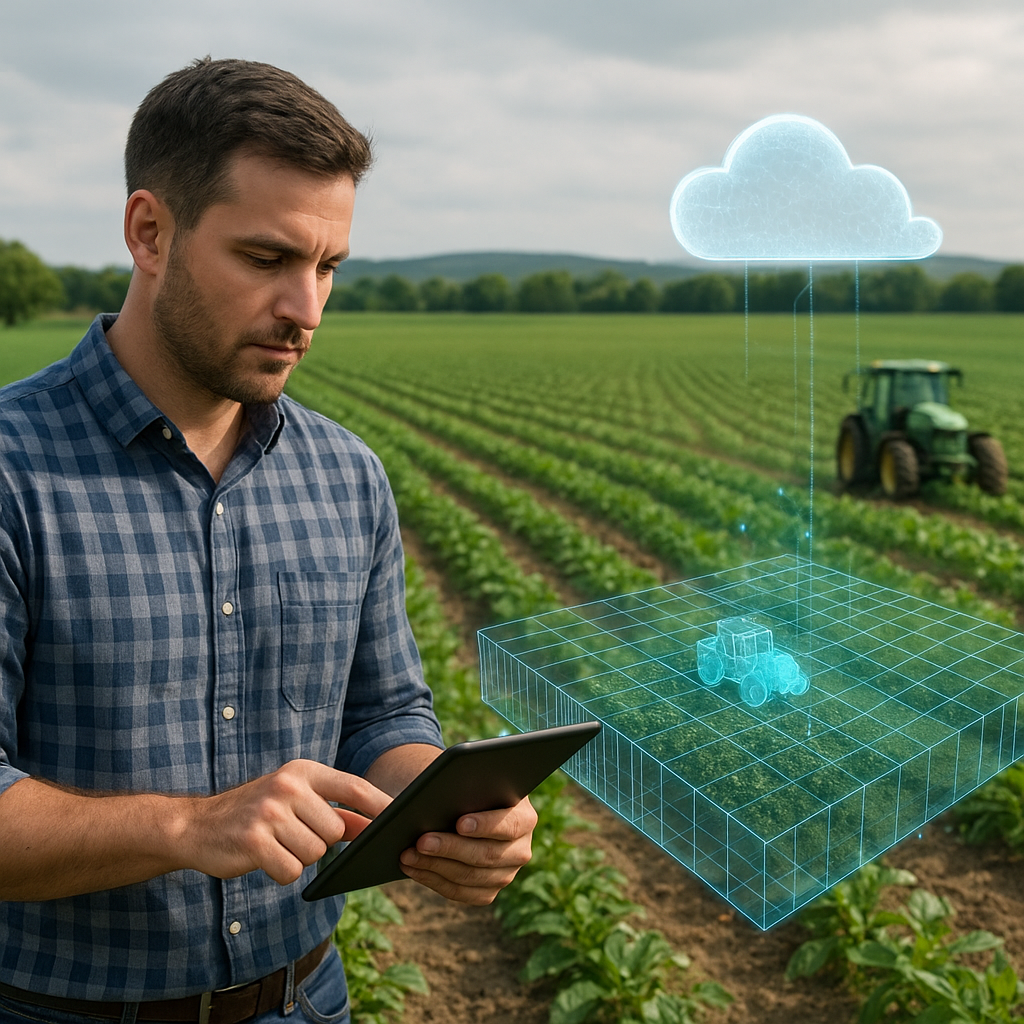
Digital twins are transforming the agricultural landscape by creating virtual representations of real-world farm systems. Through the combination of sensor networks, advanced analytics, and real-time modeling, these digital replicas offer unprecedented levels of precision and efficiency. Farmers and agribusinesses can now make data-driven decisions that enhance resource allocation, reduce environmental impact, and improve crop performance. This article explores the core components, technological integrations, and practical implications of deploying digital twins in modern agriculture.
Digital Twin Framework for Precision Farming
The deployment of a robust digital twin in agriculture relies on a structured framework that orchestrates data collection, simulation, and actionable insights. This framework typically consists of four pivotal layers:
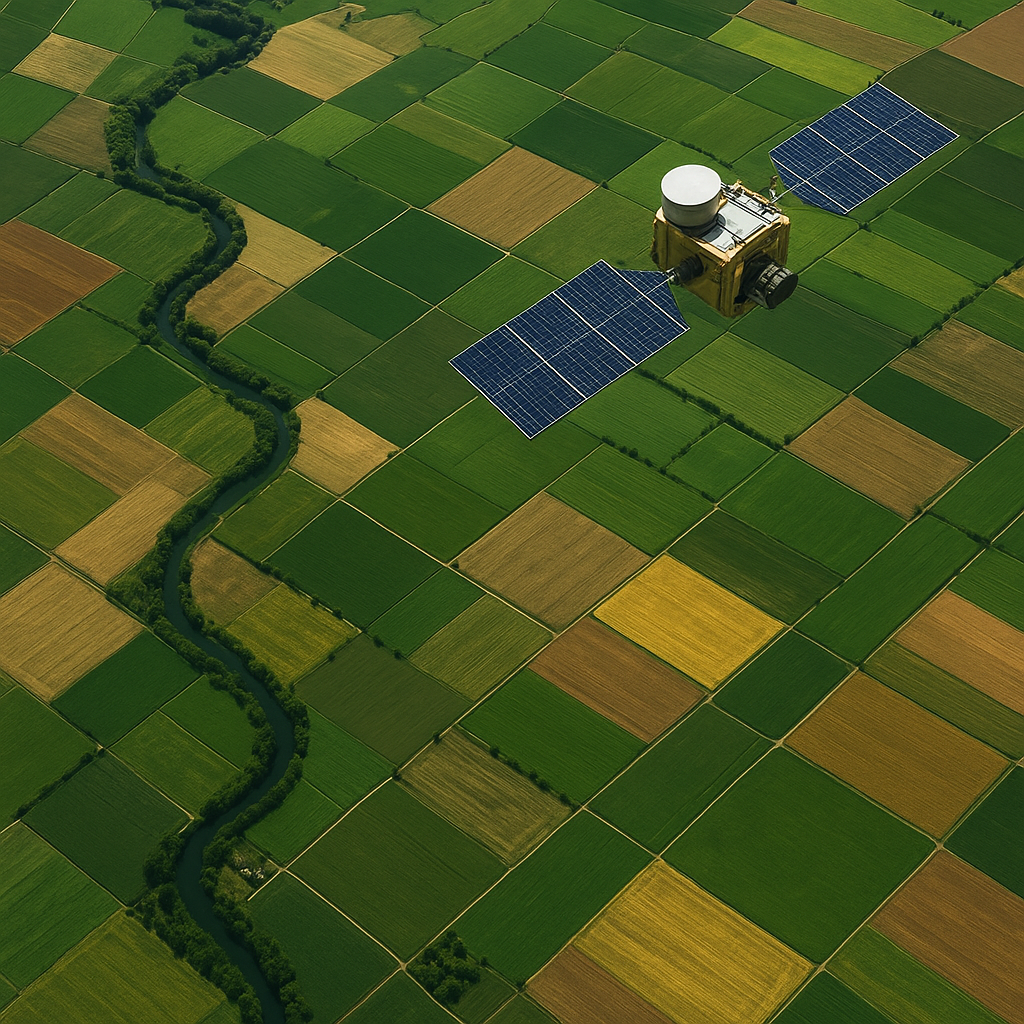
- Data acquisition from field sensors, drones, and satellite imagery
- Data integration through cloud-based platforms and edge computing
- Modeling and simulation to replicate plant physiology and soil dynamics
- Decision support systems delivering real-time recommendations
Data Acquisition Layer
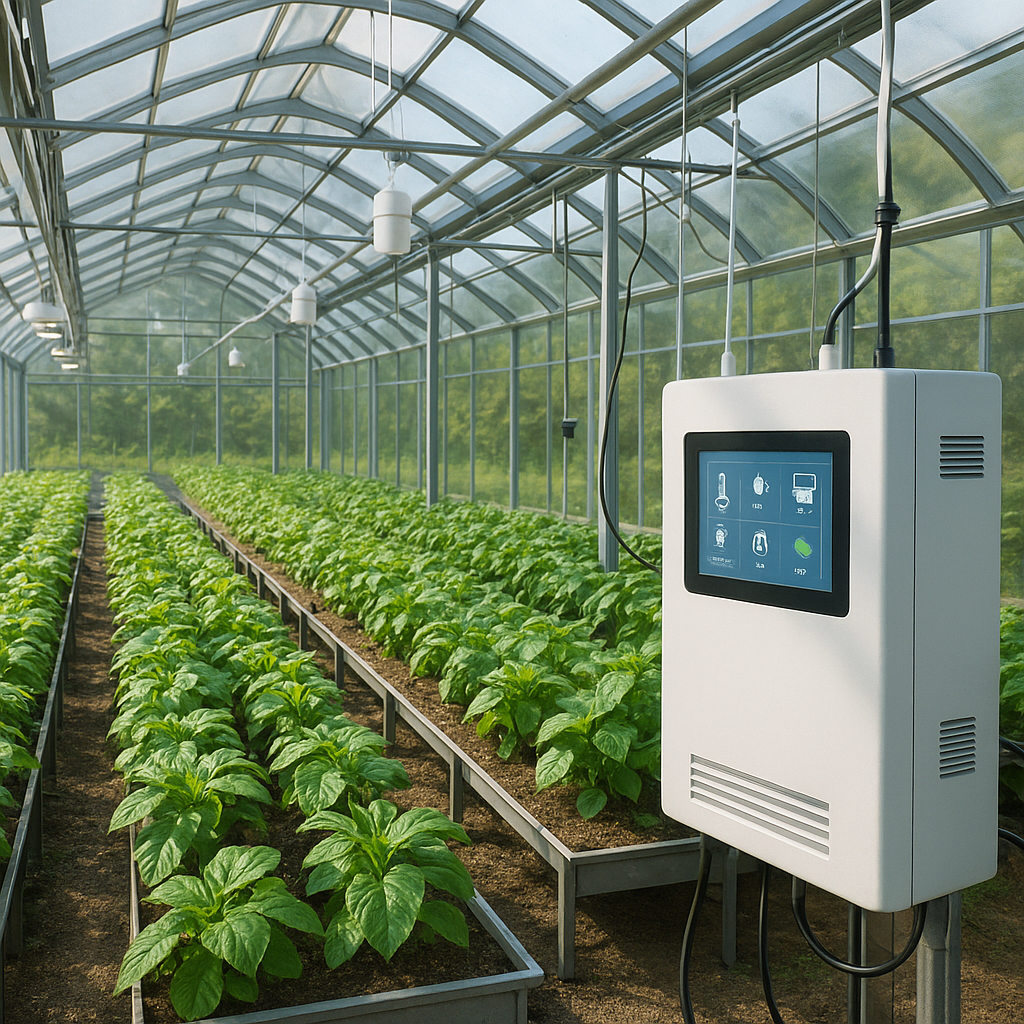
The foundation of any digital twin is accurate, high-resolution input. Advanced sensors measure soil moisture, temperature, pH, and nutrient levels. Unmanned aerial vehicles (UAVs) equipped with multispectral cameras capture plant health indicators such as normalized difference vegetation index (NDVI). Meanwhile, weather stations provide hyperlocal climate data, enabling the twin to reflect fluctuations in humidity, wind, and solar radiation.
Data Integration and Storage
Collected data must be seamlessly integrated into a unified platform. Cloud services offer scalable storage, while edge devices process real-time streams at the field level to reduce latency. Employing open standards like ISOOpen and MQTT ensures interoperability across diverse equipment from multiple vendors. Encryption protocols safeguard data integrity and privacy as information flows between edge, cloud, and on-premises servers.
Integration of IoT Sensors and Modeling Techniques
To bridge the physical and virtual worlds, digital twins leverage Internet of Things (IoT) networks and advanced modeling algorithms. This synergy enables the construction of a dynamic digital ecosystem that adapts to changes in the field.
Sensor Network Deployment
Sensors form the digital twin’s nervous system. Soil probes, leaf wetness sensors, and nutrient monitors deliver continuous readings. Real-time telemetry is transmitted via low-power wide-area networks (LPWAN) or cellular modules. The result is near-instantaneous visibility into field conditions, empowering managers to detect anomalies such as pest outbreaks or irrigation leaks.
Crop Growth and Soil Models
Advanced crop models simulate photosynthesis, biomass accumulation, and root development. Coupled with soil hydrology models, these simulations can predict water retention, leaching, and nutrient availability. By calibrating models with historical yield data, the digital twin refines its predictions, unlocking superior forecasting capabilities for yield estimation and resource planning.
Data Analytics and AI-driven Decision Making
Raw data gains value when analyzed through the lens of artificial intelligence and machine learning. Digital twins integrate predictive analytics to derive insights that guide planting schedules, irrigation strategies, and fertilization plans.
- Machine learning algorithms identify patterns in pest and disease emergence
- Neural networks optimize irrigation events based on evapotranspiration forecasts
- Reinforcement learning enhances autonomous equipment routing to reduce fuel use
Predictive Maintenance and Automation
Beyond crop management, the digital twin can model farm machinery performance. Vibration sensors and oil analysis detect mechanical wear before breakdowns occur. This automation of maintenance schedules keeps harvesters, tractors, and irrigation pumps running at peak performance, minimizing downtime and repair costs.
Resource Optimization
By simulating various scenarios, the digital twin evaluates trade-offs between water usage, fertilizer application, and labor deployment. Advanced analytics pinpoint the optimal combination of inputs to maximize yield while conserving resources. These prescriptive recommendations help farmers achieve higher levels of sustainability and profitability.
Benefits and Challenges of Digital Twins in Agriculture
Implementing digital twins in smart agriculture yields numerous benefits but also presents challenges that require careful consideration.
Key Benefits
- Scalability: Modular architecture allows expansion from single fields to entire farms
- Resilience: Early warning systems mitigate the impact of extreme weather events
- Traceability: Detailed digital records support compliance with food safety standards
- Cost reduction: Lower input waste and optimized logistics drive down operational expenses
- Market competitiveness: Data-driven quality control enhances product consistency and market value
Technical and Organizational Challenges
Despite significant promise, several obstacles must be addressed:
- High initial investment in sensors, connectivity, and software platforms
- Data privacy concerns, particularly with third-party analytics providers
- Skill gaps in analytics, requiring training or hiring specialized personnel
- Integration complexity due to heterogeneous equipment and legacy systems
- Ensuring model accuracy under evolving climate conditions and new crop varieties
Overcoming these challenges involves strategic partnerships with technology providers, ongoing workforce development, and adherence to open standards. As digital twins evolve, they will become more robust, user-friendly, and cost-effective, further accelerating adoption across the agricultural sector. By harnessing simulation and monitoring capabilities, farmers can build more sustainable and adaptable food production systems that meet the demands of a growing global population.