Integrating edible cover crops into farming systems can transform marginal land into a source of both ecological restoration and human nutrition. By planting species that simultaneously enrich the soil and provide harvestable produce, growers unlock dual advantages that bolster long-term productivity and community well-being. This article examines key strategies for selecting, cultivating, and utilizing edible cover crops, highlighting their role in circular agriculture and resilient landscapes.
Selecting Edible Cover Crops for Soil Health and Nutrition
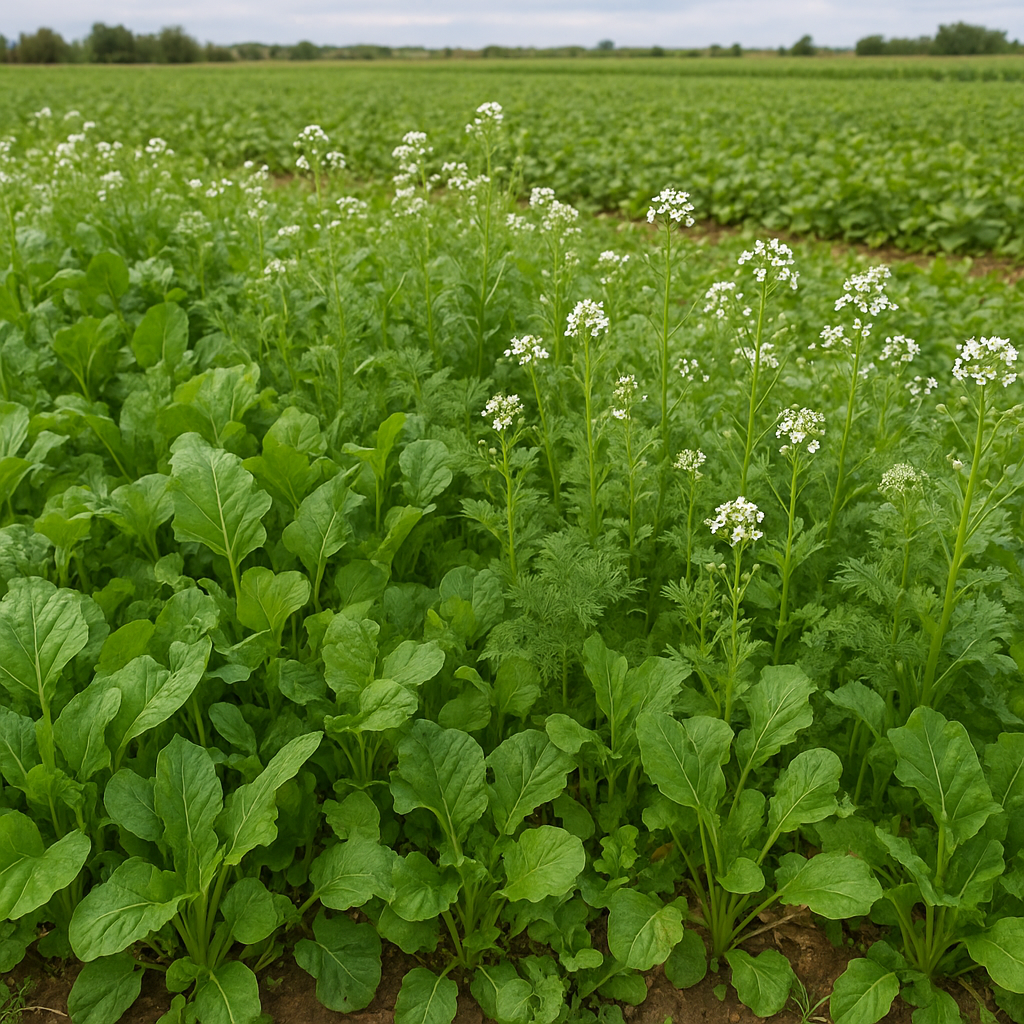
Choosing the right varieties involves balancing agronomic performance with culinary appeal. Legumes such as field peas and fava beans excel in nitrogen fixation, while brassicas like radish and mustard offer rapid biomass turnover and taproot penetration. Grains such as oats and barley contribute significant organic matter and help suppress weeds through dense canopy formation. Prioritize species that adapt to local climate conditions and integrate seamlessly into existing rotations.
Key Criteria for Selection
- Ability to improve soil fertility via biological processes
- High nutritional value for fresh consumption or processing
- Compatibility with other cash crops in crop rotation
- Resistance to pests and diseases endemic to the region
- Potential to deliver erosion control through extensive root networks
For small-scale market gardeners, salad mix greens like arugula and mustard can be sown densely, harvested continuously, and then incorporated to feed the soil. On larger acreage, planting a blend of vetch, oats, and buckwheat ensures a mosaic of root depths and flowering periods, enhancing biodiversity and supporting pollinator populations.
Cultivation Techniques and Management Practices
Effective management begins with precise sowing and ends with timely termination. Optimal planting windows vary by crop: winter peas and clovers thrive in cooler months, while buckwheat and sunn hemp favor warmer seasons. Seedbed preparation should prioritize moisture retention and minimal soil disturbance to encourage robust germination.
Establishment and Maintenance
- Use no-till or reduced-till methods to maintain soil structure and microbial activity.
- Implement interseeding to fill gaps between primary crop rows without delaying field operations.
- Monitor biomass accumulation to determine the ideal harvest or incorporation point.
- Employ drip irrigation or targeted sprinkler systems in arid regions to support early growth.
Regularly scouting for pests and diseases enables proactive interventions. Introducing beneficial insects or applying organic amendments can mitigate outbreaks without compromising edible harvests. When it’s time to terminate, techniques range from rolling and crimping to light grazing by livestock, each preserving valuable nutrients in the field.
Harvesting and Culinary Uses of Edible Cover Crops
Harvest strategies should align with both agronomic goals and market demands. Microgreens and baby greens can be clipped at the cotyledon stage for premium salad mixes, while mature legumes yield shelled beans rich in protein and fiber. Radish and turnip greens offer a peppery flavor profile, suitable for sautéing or blending into pestos.
Post-Harvest Handling
- Cool produce rapidly to preserve crispness and extend shelf life.
- Wash gently to remove soil particles without bruising delicate leaves.
- Package in breathable containers to prevent condensation and microbial growth.
Edible cover crops also serve as fodder: leafy brassicas and legume haulms are prized for livestock feed, providing a nutrient-dense supplement. Processing byproducts, such as pressed radish pulp, can be composted or integrated into biogas systems, completing a circular cycle.
Environmental and Economic Impacts
Adopting edible cover crops fosters sustainability by reducing reliance on synthetic fertilizers and minimizing soil erosion. Enhanced root networks stabilize aggregates, while aboveground biomass shields the soil surface from raindrop impact. These practices build resilience against extreme weather events and support long-term farm viability.
Cost-Benefit Considerations
- Reduced input costs from lower fertilizer and pesticide use.
- New revenue streams through fresh produce sales or value-added products.
- Improved soil water retention, leading to better yields in subsequent crops.
- Enhanced farm reputation for eco-friendly and health-oriented production.
Research indicates that fields managed with edible cover crops can achieve incremental yield increases over time, offsetting initial establishment costs. Moreover, diversifying income sources through niche markets for microgreens, specialty beans, and leafy greens enhances financial stability and community food security.