Implementing farm biodiversity projects plays a critical role in supporting thriving pollinator populations and promoting sustainable agricultural systems. By integrating a diverse array of plants, adopting conservation practices and leveraging scientific monitoring, farmers can enhance ecosystem services while improving crop productivity and resilience.
Enhancing On-Farm Biodiversity
Building a robust network of floral resources and diversified habitats on farmland lays the groundwork for effective biodiversity enhancement. By establishing flowering strips, hedgerows and field margins, growers provide vital forage, nesting sites and shelter for bees, butterflies and other pollinators. Such interventions also boost overall ecosystem stability by fostering complex interactions among plants, insects and soil organisms.
Designing Floral Resource Strips
Strategically planted wildflower strips along field edges offer sequential blooms that supply nectar and pollen from spring through autumn. Key considerations include:
- Selecting native perennial and annual species suited to local climate and soil conditions
- Ensuring a mix of flower shapes and colors to attract a variety of bee species, hoverflies and butterflies
- Maintaining a rotation plan that allows for soil rest and nutrient replenishment
Establishing Shelterbelts and Hedgerows
Tree and shrub rows serve as windbreaks and thermal refuges for pollinators, while also improving water retention and reducing erosion. Ideal plant species include hawthorn, blackthorn and hazel, which provide nectar during early spring and fruit for birds in late autumn. Integrating climbing plants such as honeysuckle and ivy further diversifies the vertical structure of these corridors.
Pollinator Habitat Restoration Techniques
Restoring degraded landscapes enhances the resilience of pollinator communities and supports long-term conservation goals. Restoration efforts vary from reviving wetland margins to rewilding fallow areas and reclaiming pesticide-impacted soils.
Rewilding Field Borders
Allowing non-productive margins to revert to semi-natural vegetation helps native bees and other beneficial insects. Actions include:
- Ceasing intensive herbicide and tillage applications
- Introducing seed mixes rich in legumes, composites and boraginaceae
- Applying minimal mowing regimes to preserve nesting habitats
Wetland and Riparian Buffer Zones
Wet habitat restoration along streams and ponds enhances local habitat diversity, benefiting species such as mason bees and syrphid flies. Indigenous rushes, sedges and rushes planted in buffer strips filter runoff and provide critical moisture for larvae development. These zones also mitigate nutrient leaching into waterways, yielding co-benefits for water quality.
Integrating Agroecological Practices
Utilizing principles of agroecology, farmers can align production objectives with the overarching need for ecological sustainability. Emphasis on crop rotations, cover cropping and minimal soil disturbance fosters healthy soils and increases pollinator activity.
Crop Rotations and Intercropping
Rotating between grain, legume and oilseed crops interrupts pest cycles and enriches soil fertility. When intercropped with flowering species—such as clover, alfalfa or phacelia—fields can simultaneously support pollinator nutrition and suppress weeds. This integrative approach reduces reliance on synthetic fertilizers and agrochemicals.
Cover Crops for Soil and Forage
Winter cover crops like mustard, vetch and rye protect soil from erosion while delivering early spring blossoms. These blooms are vital for queen bumblebees emerging from hibernation. Moreover, cover crop decomposition contributes organic matter, enhancing soil structure and water-holding capacity.
Reduced-Tillage and No-Till Systems
Minimizing soil disturbance preserves ground-nesting pollinators, particularly solitary bees that construct burrows in undisturbed soil. No-till systems also maintain fungal networks critical for nutrient cycling, indirectly supporting plant health and flower production.
Monitoring and Measuring Impact
Assessing the effectiveness of biodiversity initiatives requires systematic monitoring of pollinator populations, floral resources and crop yields. By combining field surveys, remote sensing and farmer observations, stakeholders can adapt management practices to maximize benefits.
Pollinator Surveys and Citizen Science
Simple transect walks and pan-trap methods allow on-farm measurement of pollinator diversity and abundance. Engaging local communities via citizen science platforms strengthens data collection and fosters awareness of pollinator challenges. Training workshops help standardize protocols and ensure data reliability.
Remote Sensing and Spatial Analysis
Drone and satellite imagery enable mapping of vegetation cover, flower density and habitat connectivity. Spatial metrics such as patch size, edge complexity and distance to natural areas correlate with pollinator presence. These insights guide targeted restoration and help quantify landscape-level gains.
Evaluating Crop Yields and Economic Returns
Field trials comparing pollinator‐friendly plots with conventional plots reveal the contribution of ecosystem services to crop yields. Farmers can calculate net economic gains by factoring reduced input costs, improved quality and higher market value for sustainably grown produce.
Long-Term Benefits and Resilience
By fostering farm biodiversity, agricultural systems become more resilient to climate extremes, pests and market fluctuations. Diverse landscapes buffer against disease outbreaks, stabilize microclimates and sustain continuous food webs. Over time, these benefits translate into healthier soils, robust pollinator networks and secure food supplies.
Key Advantages of Farm Biodiversity Projects
- Enhanced pollination services and fruit set in orchards and vegetable fields
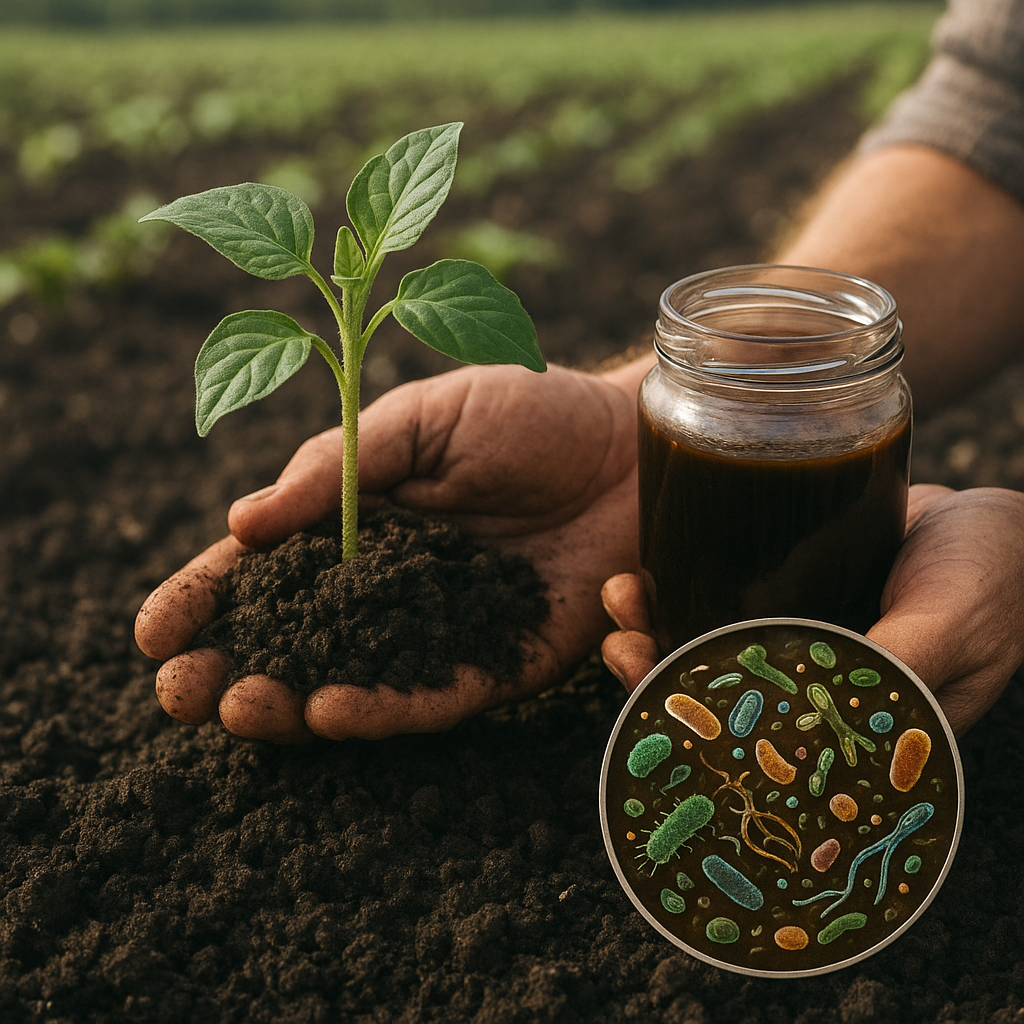
- Improved soil health through organic matter accumulation and microbial diversity
- Natural pest regulation by predatory insects and birds
- Water conservation achieved via better infiltration and reduced runoff
- Carbon sequestration in biomass and soil, contributing to climate mitigation
Embracing biodiversity on farms represents a forward-looking approach that balances productivity with environmental stewardship. By integrating habitat restoration, agroecological methods and robust monitoring, farmers can cultivate landscapes where both agriculture and pollinators flourish together.