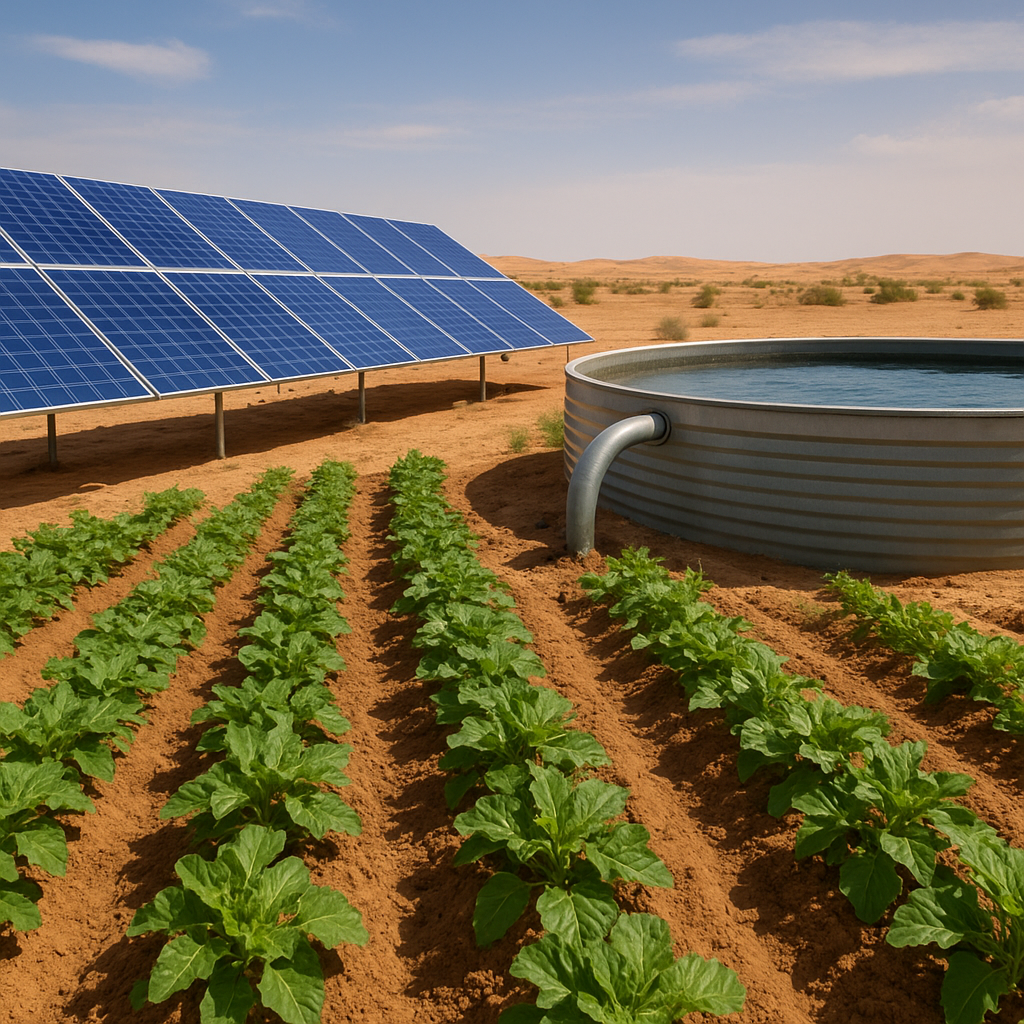
Desert landscapes once synonymous with barren sand and extreme conditions are now emerging as hubs of innovation for modern agriculture. By harnessing the relentless power of the sun, farmers and scientists are transforming saline groundwater into life-giving water through advanced desalination systems. This synergy between solar energy and irrigation technology is not only addressing crippling water scarcity but also unlocking new horizons for desert farming. In the following sections, we explore how these breakthroughs are redefining cultivation in some of the planet’s most challenging environments.
Importance of Solar Desalination in Arid Agriculture
Across arid regions, access to fresh water often dictates the viability of crop production. Traditional freshwater sources are either depleted or located far from potential farmland, raising costs and logistical hurdles. By integrating renewable solar power with desalination techniques, communities can convert low-grade brackish or seawater into irrigation-ready supplies. This approach offers a dual advantage: it cuts down on fossil fuel consumption and provides a scalable solution for off-grid areas.
Key benefits include:
- Sustainable energy usage driven by abundant sunlight.
- Reduction in greenhouse gas emissions compared to conventional desalination.
- Localized water production, minimizing transport losses and expense.
- Enhanced resilience of rural farming systems against drought cycles.
By tapping into these strengths, farmers in regions such as the Middle East, North Africa, and southwestern United States are pioneering models that marry innovation with ecological stewardship.
Key Technologies Driving Transformation
Several technological pathways are at the forefront of solar-powered desalination:
Solar Thermal Distillation
Also known as solar stills, these systems employ greenhouse-like chambers where solar radiation heats saline water, prompting evaporation. The vapor then condenses on a cool surface, delivering distilled water. Modern iterations optimize heat retention using selective coatings, vacuum insulation, and multi-stage trays to boost yield.
Photovoltaic-Powered Reverse Osmosis
Photovoltaic (PV) panels convert sunlight directly into electricity, which drives high-pressure pumps. These pumps force saline water through semipermeable membranes, separating salt ions and impurities. Advances in membrane materials and energy recovery devices have pushed energy demands down to 2–3 kWh per cubic meter, making PV-RO economically viable for remote operations.
Membrane Distillation and Hybrid Setups
Emerging processes like membrane distillation combine thermal and membrane-driven mechanisms. In decentralized hybrid plants, excess heat from solar collectors warms brackish feedwater, while low-grade heat is harnessed in membrane modules to complete the desalination cycle. These integrated designs maximize energy utilization and minimize waste heat.
Implementations and Case Studies
From pilot projects to commercial farms, real-world applications are showcasing the potential to scale:
- Negev Desert, Israel: A 1,500 m² solar still array produces 500 liters daily, supporting local tomato and pepper greenhouses. Water quality meets strict salinity standards, enabling year-round cultivation.
- California’s Imperial Valley, USA: A 50 kW PV-RO unit irrigates date palms and barley fields over 40 hectares. Seasonal operation coincides with peak solar insolation, reducing reliance on imported water.
- Saudi Arabia’s Red Sea Projects: Mega-scale solar thermal towers integrated with multi-effect distillation deliver hundreds of cubic meters per day. The facility powers ornamental and vegetable nurseries on reclaimed coastal dunes.
These success stories share common themes: robust system design, community engagement, and strong economic incentives. Farmers report a marked increase in productivity, with yields often doubling on previously unproductive land.
Challenges and Future Directions
Despite impressive strides, solar desalination faces hurdles before widespread adoption:
- High upfront capital costs for specialized membranes and solar infrastructure.
- Maintenance demands in sandy or corrosive environments, which can foul equipment.
- Intermittent solar supply requires careful design for energy storage or hybrid backup systems.
- Brine disposal must comply with environmental regulations to prevent soil or marine damage.
Looking ahead, researchers are prioritizing:
- Next-generation membranes with enhanced flux and fouling resistance.
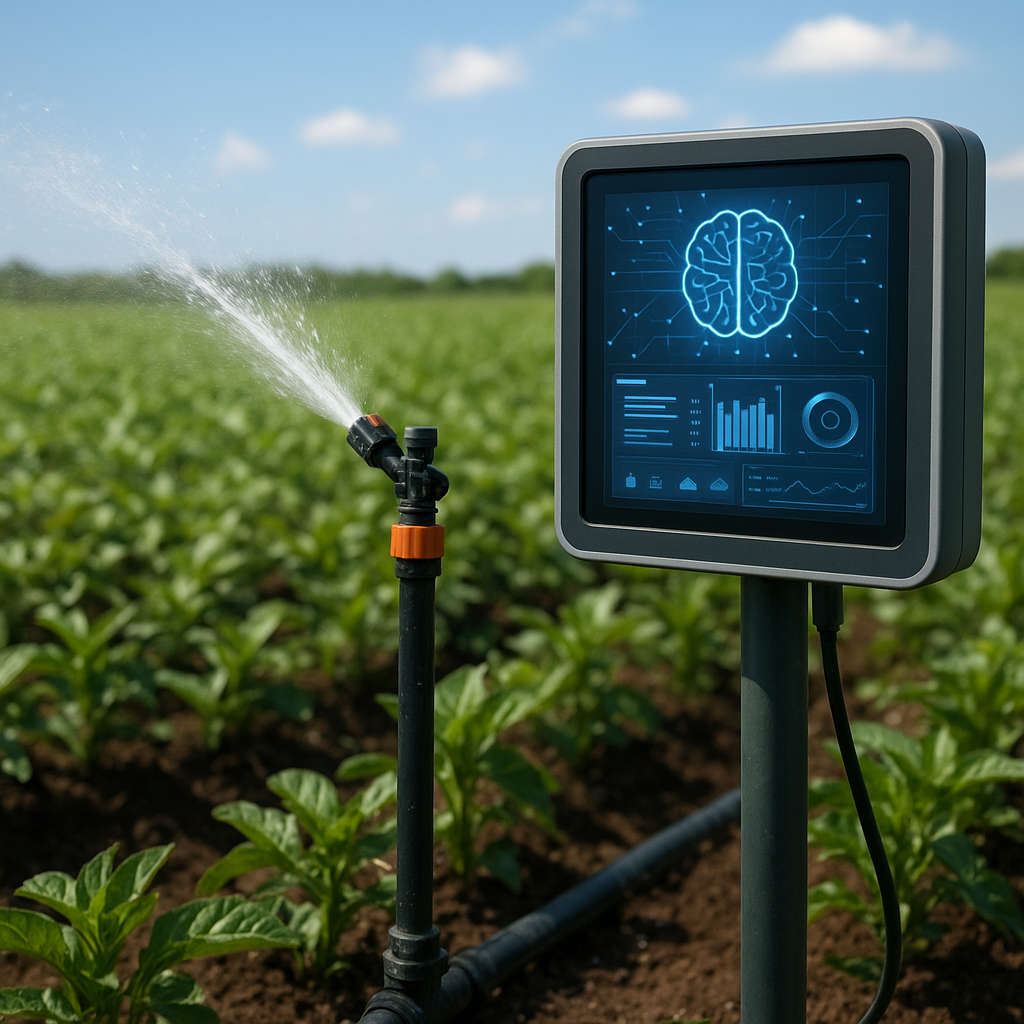
- Smart controls and IoT sensors for predictive maintenance and optimal performance.
- Energy storage solutions such as thermal batteries and salt-based latent heat materials.
- Community-led financing models to lower entry barriers for smallholder farmers.
With continued innovation and policy support, solar desalination can become a cornerstone of global food security strategies. By transforming saline water into a renewable resource, arid regions can reclaim vast tracts for agriculture, reducing pressure on overexploited watersheds and bolstering rural livelihoods.