The agricultural industry is experiencing a profound transformation as wireless networks, intelligent devices, and data-driven tools reshape traditional farming practices. By integrating Internet of Things technologies, fields that once relied on manual observation are becoming dynamic ecosystems, where every soil sample, weather fluctuation, and machine status contributes to an interconnected network. This shift not only enhances operational efficiency but also paves the way for more sustainable, precise, and profitable food production.
Smart Sensors and Real-Time Monitoring
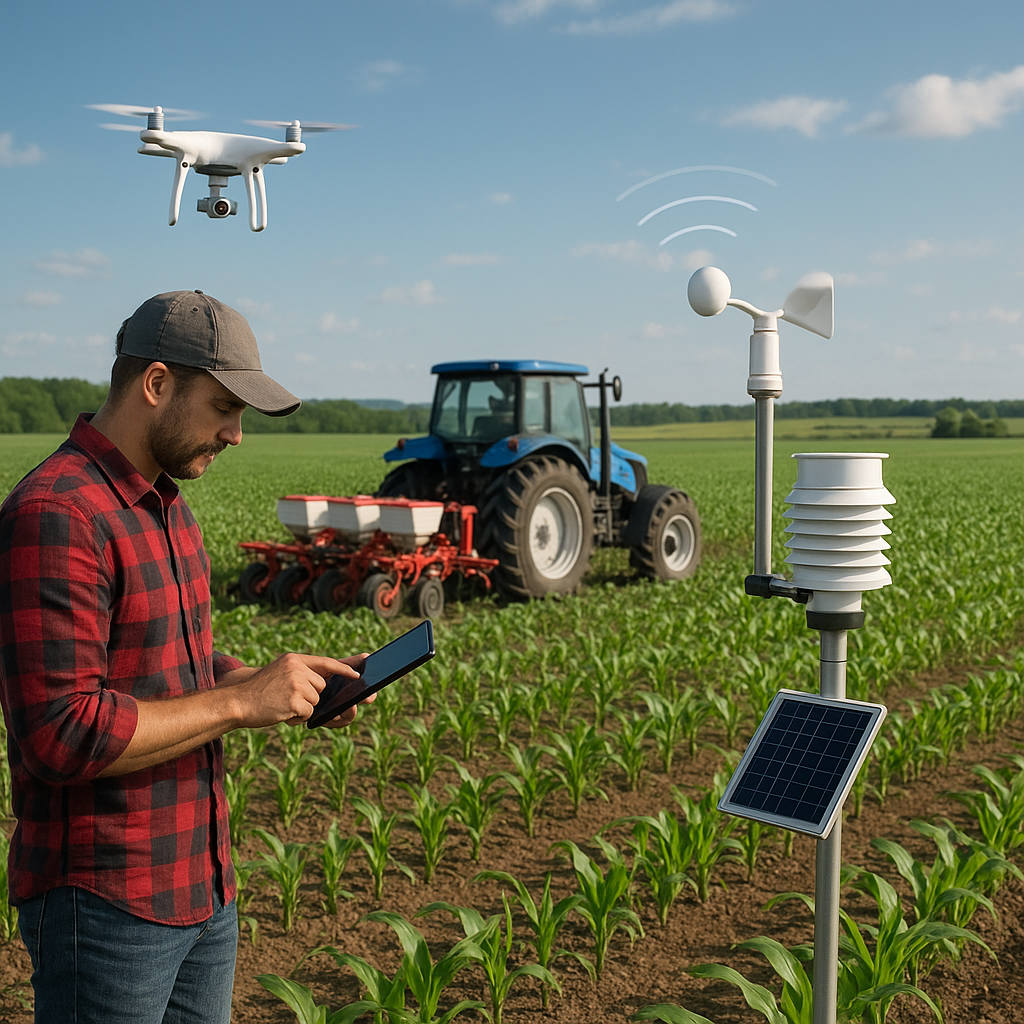
At the heart of modern farming, a network of low-power sensors delivers critical insight into environmental conditions. Placed throughout fields, these devices measure soil moisture, temperature, pH levels, and nutrient content. Farmers receive alerts when crops require water or fertilizers, optimizing resource use and reducing waste. This continuous stream of data fosters a new level of precision, enabling producers to react immediately to emerging threats such as disease or drought.
- Wireless soil moisture probes track hydration levels.
- Microclimate stations log humidity and temperature shifts.
- Biometric sensors on livestock measure health indicators in real time.
Each sensor node connects via mesh networks or LPWAN protocols, providing extensive coverage and reliable connectivity even in remote areas. Farm managers can monitor conditions remotely through mobile apps or web platforms, leveraging telemetry to identify patterns and anomalies. As a result, manual sampling is minimized, labor costs drop, and the risk of human error diminishes.
Precision Agriculture with Drones and Satellites
Advancements in aerial imagery have unlocked new possibilities for precise field management. High-resolution cameras mounted on drones capture multispectral and thermal images, allowing agronomists to detect early signs of stress, nutrient deficiency, or pest infestations. This information guides targeted interventions that boost yield while conserving inputs.
Drone-Based Imaging
Drones equipped with NDVI (Normalized Difference Vegetation Index) sensors fly predefined paths, capturing data that is processed into actionable maps. These maps highlight areas requiring attention, whether to apply pesticides or to adjust irrigation. By focusing treatments only where needed, farmers achieve significant savings on chemicals and water, while promoting crop sustainability.
Satellite Remote Sensing
Satellite constellations supplement drone missions by offering broad-scale monitoring of large tracts. With frequent revisits, satellites provide up-to-date analyses of vegetation vigor, soil moisture trends, and even weed proliferation. Cloud-based analytics integrate this satellite data with ground sensors, delivering a comprehensive overview that supports strategic decision-making and long-term planning.
Data Analytics and Farm Management Platforms
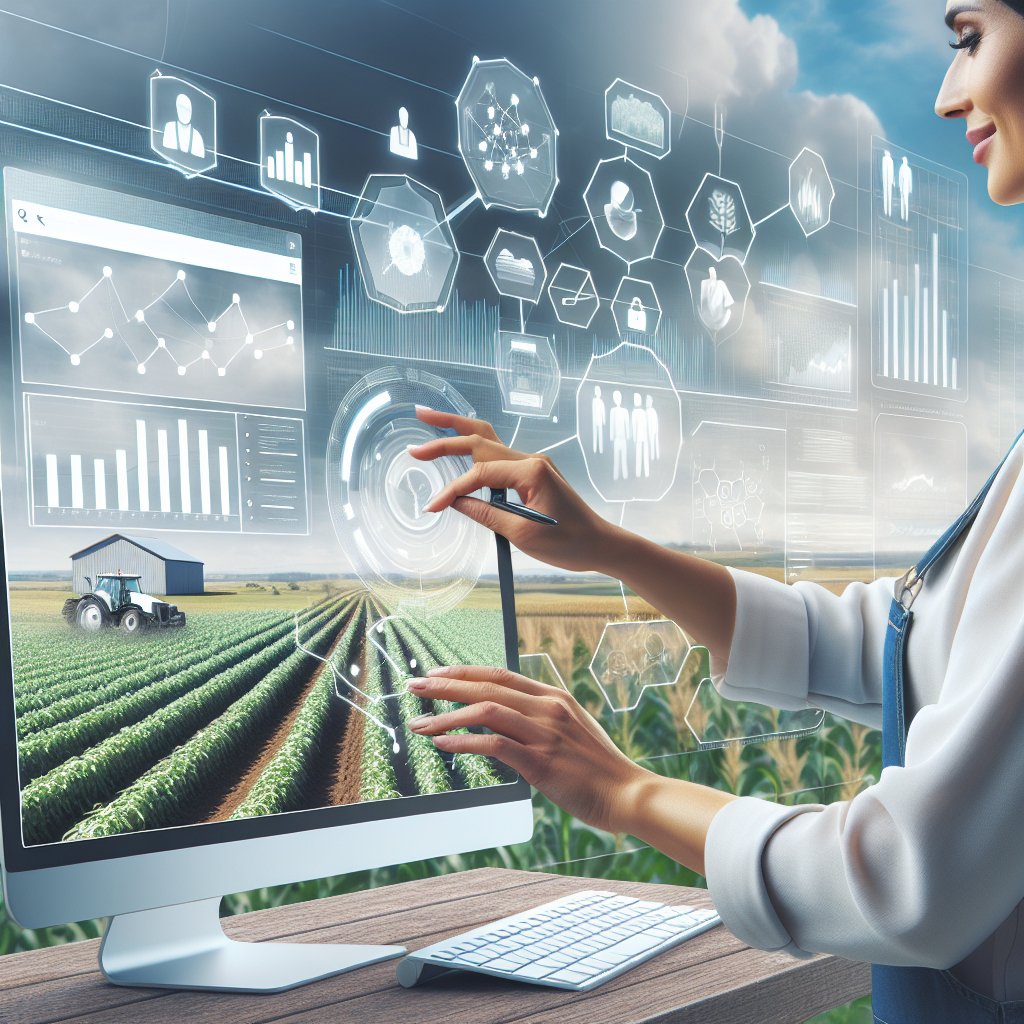
Beyond raw data collection, powerful analytics engines and user-friendly dashboards give purpose to the volumes of information generated on modern farms. Artificial intelligence and machine learning algorithms run predictive models that forecast weather patterns, crop growth stages, and disease outbreaks. Armed with these projections, farmers can schedule planting, harvesting, and maintenance tasks at optimal times, maximizing return on investment.
- Machine learning models anticipate pest emergence based on historical trends.
- Weather forecasting tools align irrigation schedules with expected rainfall.
- Yield prediction algorithms estimate harvest volumes weeks in advance.
Cloud-based Farm Management Systems unify diverse data streams—from GPS-guided tractors to greenhouse environmental controls—into a single interface. This holistic view simplifies optimization of field operations and resource allocation. Collaborative platforms also facilitate remote consultancy, enabling experts to provide guidance without visiting the farm in person.
Connected Supply Chains and Traceability
Internet of Things devices extend beyond the field, enhancing transparency throughout the agricultural supply chain. Smart tags and sensors attached to crates, pallets, and shipping containers monitor temperature, humidity, and location during transit. If conditions deviate from specified thresholds, stakeholders receive alerts, ensuring perishable goods maintain quality and resilience against spoilage.
- RFID tags record product movement from farm to distributor.
- Blockchain-enabled ledgers guarantee tamper-proof traceability.
- Real-time tracking apps improve logistics and reduce transit delays.
By providing consumers and retailers with provenance data—crop variety, harvest date, and processing methods—producers build trust in their brands. This end-to-end visibility also supports regulatory compliance, as digital records verify that food safety standards have been met at every step.
Future Trends and Scalability
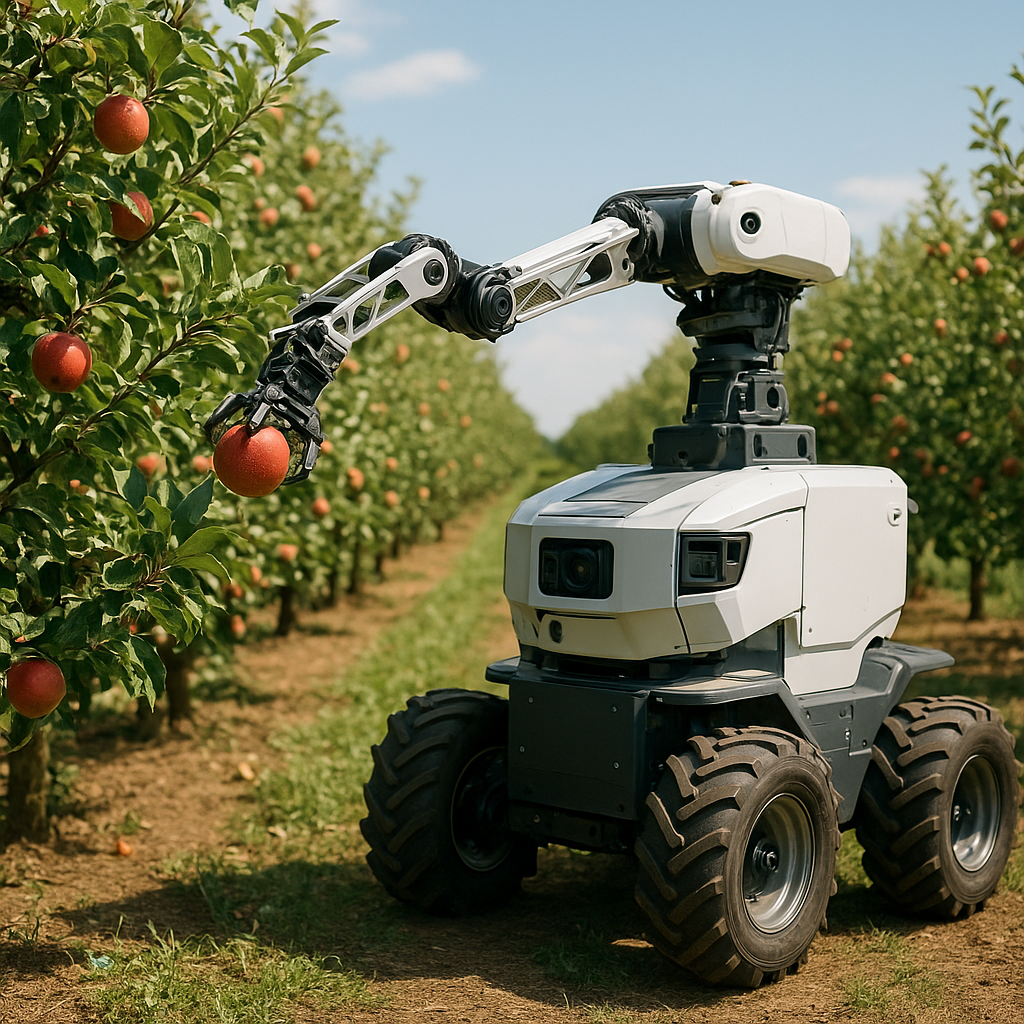
As IoT hardware becomes more affordable and networks more robust, adoption rates will continue to climb. Edge computing is emerging as a way to process data locally, reducing latency and conserving bandwidth. Combined with advanced robotics, such as autonomous tractors and harvesting machines, farms of all sizes will benefit from increased automation and reduced labor dependency.
Scalable platforms that integrate open APIs encourage innovation, allowing third-party developers to create specialized modules for crop-specific challenges. The convergence of agritech and fintech may introduce dynamic pricing models, insurance products, and microloans based on real-time performance metrics, further empowering farmers to manage risk and invest strategically.
Embracing these developments promises a more efficient, profitable, and environmentally responsible agricultural sector—one where data-driven insights drive every decision from seed to supermarket shelf.