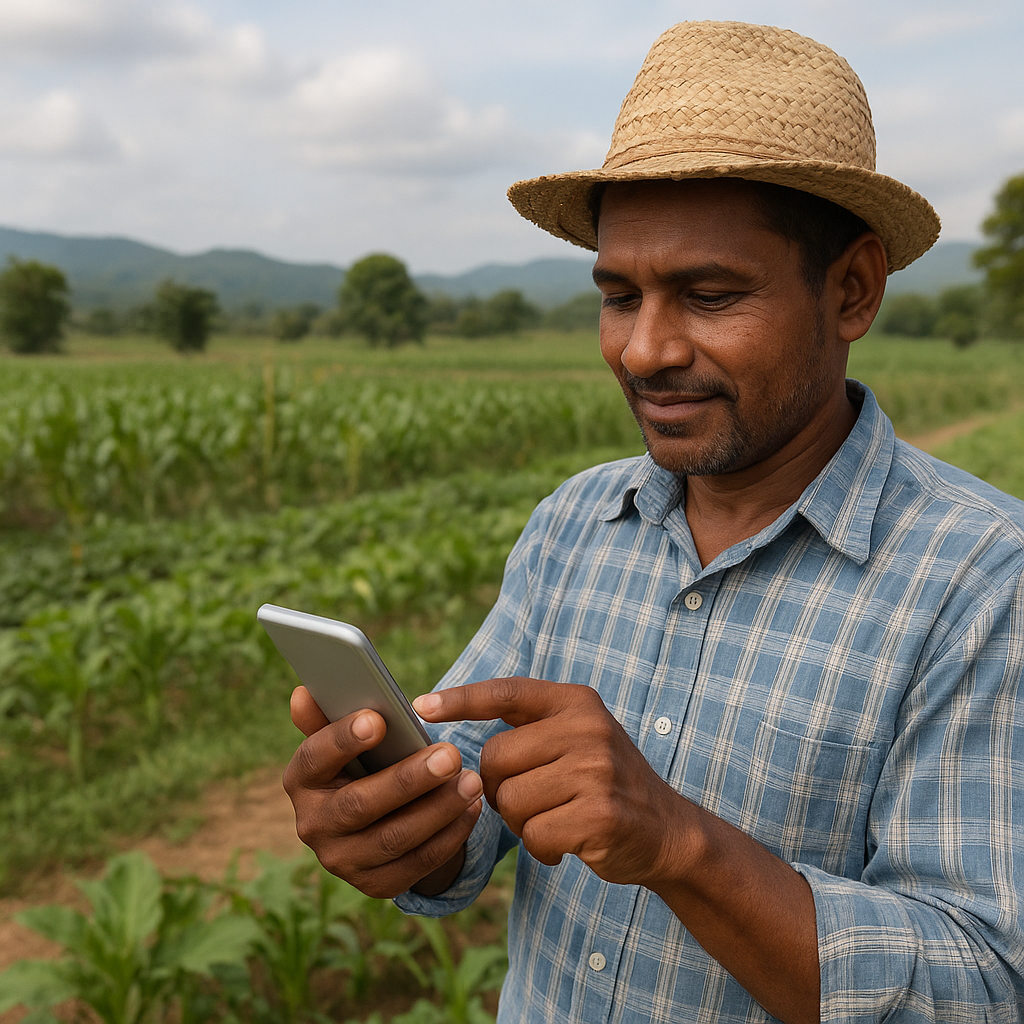
The intersection of agriculture and digital finance has catalyzed a transformative shift for rural communities. By harnessing the convenience of mobile banking, farmers can streamline transactions, access timely credit, and manage risks more effectively. This article delves into how digital financial services empower smallholder farmers, boosting productivity, fostering sustainability, and ultimately forging resilient rural economies.
Bridging the Financial Divide with Mobile Platforms
Accessible Transactions
Remote villages often lack brick-and-mortar banks, leaving farmers dependent on cash-based trade that can be unsafe and inefficient. With the advent of digital wallets and mobile money accounts, agricultural producers can perform peer-to-peer transfers, pay for supplies, and receive payments instantly. These services run on basic feature phones or smartphones, leveraging existing telecom networks to facilitate secure transactions. As a result, farmers avoid long journeys to urban centers and reduce exposure to theft or loss of funds.
Credit and Savings Solutions
Traditional lending institutions view rural farmers as high-risk clients due to limited credit histories and fluctuating incomes. Mobile banking platforms address this gap by using alternative data—such as transaction frequency, remittance patterns, and digital savings—to assess creditworthiness. Once approved, farmers gain access to microloans for purchasing quality agricultural inputs like seeds and fertilizer. Meanwhile, built-in savings features encourage disciplined reserve building, helping households withstand seasonal income variability.
Transaction Security and Transparency
Mobile banking apps employ encryption and multi-factor authentication to protect user data. Detailed electronic records minimize disputes over payments, and farmers can track loan disbursements, repayments, and savings growth in real time. This transparency not only fosters trust between lenders and borrowers but also enables small-scale entrepreneurs to negotiate better deals with buyers based on verifiable transaction histories. The inclusion of digital receipts diminishes the misuse of cash and reduces the incidence of fraud in rural marketplaces.
Enhancing Agricultural Productivity
- Crop Insurance Integration: Farmers subscribe to parametric insurance products linked to satellite or weather station data. In case of drought or excessive rainfall, automated payouts cover losses, safeguarding livelihoods.
- Input Vouchers and Subsidies: Governments and NGOs distribute digital vouchers through mobile platforms, enabling recipients to redeem subsidies for fertilizers or improved seed varieties at authorized agro-dealers.
- Market Price Information: Real-time commodity prices broadcast via SMS or in-app notifications empower producers to decide optimal selling times and locations, maximizing revenue.
- Extension Services: Agricultural experts deliver tailored guidance on pest management and crop rotation through voice messages, SMS, or chatbots embedded in mobile banking applications.
- Data Analytics for Yield Forecasting: Aggregated transaction and weather data feed predictive models that alert farmers to planting windows and expected yield levels, supporting informed decision-making.
- Group-Based Lending: Mobile platforms facilitate the formation of loan guarantor groups among neighboring farmers. Collective responsibility reduces default risk and strengthens community bonds.
Case Studies: Success Stories from the Field
In East Africa, a mobile money operator partnered with agribusinesses to launch a platform that issues instant input loans to maize growers. By embedding a savings component, the solution recorded a 35% increase in fertilizer usage and a 20% uptick in yields within two cropping seasons. Simultaneously, digital recordkeeping enabled financial institutions to extend larger loans at lower interest rates, thanks to improved risk assessments.
In South Asia, a consortium of microfinance institutions collaborated with a telecommunications provider to embed remittances and agricultural finance in a unified app. Seasonal migrant workers send money home to purchase livestock feed and irrigation equipment. The same app issues weather-index insurance policies, ensuring that families retain a safety net in the event of crop failures. Adoption rates soared among women-led households, boosting gender equity in rural credit access.
Overcoming Barriers and Future Directions
Despite promising gains, several impediments remain. Limited network coverage, high transaction fees, and low digital literacy hinder widespread adoption. Moreover, the risk of cyberthreats and fraudulent schemes requires robust regulatory frameworks and consumer education.
- Infrastructure Investment: Expanding 3G/4G coverage and improving mobile network reliability are prerequisites for scaling digital finance in remote areas.
- Affordability of Services: Subsidized fee structures or tiered pricing can incentivize low-income farmers to adopt mobile banking without eroding service provider viability.
- Digital Literacy Programs: Community-based training ensures that users understand how to navigate apps, set secure PINs, and spot phishing attempts.
- Interoperability Standards: Harmonizing protocols among banks, telcos, and fintech startups promotes seamless interoperability, reducing transaction costs and fostering competition.
Government and NGO Roles
Public sector agencies and development organizations play a critical role in catalyzing digital transformation:
- Regulatory Support: Enacting policies that encourage innovation while safeguarding consumer rights, such as digital ID systems and electronic signature laws.
- Pilot Programs: Funding and monitoring pilot initiatives can demonstrate proof of concept and attract private investment for broader rollouts.
- Stakeholder Collaboration: Facilitating partnerships among rural banks, fintech companies, agronomic research centers, and farmer cooperatives to co-create user-centered solutions.
- Monitoring & Evaluation: Deploying impact assessment frameworks to measure improvements in financial inclusion, yield gains, and poverty reduction, informing iterative program design.