The conversion of spent mushroom substrates into fertilizer represents a promising pathway toward more sustainability in agriculture. By transforming waste from mushroom cultivation into a resource-rich soil amendment, farmers can reduce waste disposal costs, enhance crop yields, and promote environmental stewardship. This article delves into the composition of mushroom substrates, explores the essential steps in the recycling process, examines the advantages for modern farms, and outlines practical strategies for widespread adoption.
Understanding Mushroom Substrates
Nature of Substrate Materials
Mushroom substrates typically consist of agricultural byproducts such as straw, hardwood sawdust, corn cobs, and other lignocellulosic materials. These ingredients provide a biodegradable matrix in which the fungal mycelium can colonize, extracting water and nutrients as it grows. Once the mushrooms are harvested, the spent substrate retains considerable organic content, including residual proteins, fibers, and cellulosic compounds.
Key Nutrient Profile
- Carbon-rich compounds that support soil microbial life
- Residual nutrients such as nitrogen, phosphorus, and potassium
- Trace minerals and vitamins produced by fungal metabolism
- Fibrous organic matter that improves soil structure
Because of this rich composition, spent substrates are far more valuable than common crop residues. Instead of discarding them, progressive growers view them as feedstock for nutrient cycling and improved soil health.
The Composting Process for Substrate Recycling
Initial Preparation and Mixing
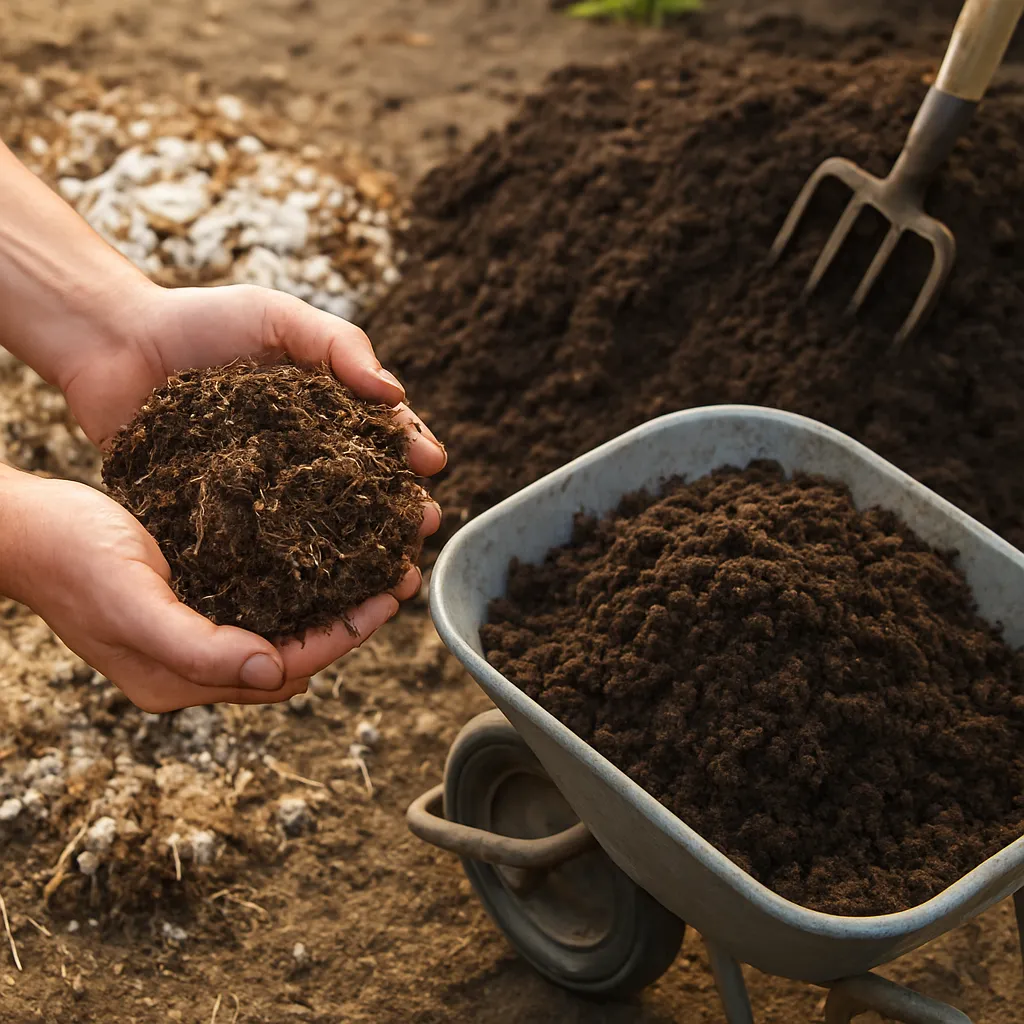
To begin recycling, the spent substrate must be blended with complementary materials to achieve an optimal carbon-to-nitrogen ratio. Typical blending ingredients include green plant waste, fresh manure, or legume residues. Achieving a balanced mix ensures efficient composting by providing the proper energy source for microorganisms that drive decomposition.
Controlled Aeration and Moisture Management
Maintaining adequate oxygen levels is critical. Composting piles or windrows are regularly turned or aerated to prevent anaerobic zones, which can produce foul odors and slow down the breakdown process. Moisture content is kept near 50–60%, allowing microbes to thrive without causing waterlogging or leaching of valuable nutrients.
Temperature Phases and Pathogen Reduction
Effective composting involves three temperature phases:
- Mesophilic Phase (20–45°C): Rapid microbial growth initiates organic matter breakdown.
- Thermophilic Phase (45–70°C): Higher temperatures accelerate decomposition and eliminate most pathogens.
- Maturation Phase (Below 45°C): Stabilization of compost, humification, and development of beneficial humus.
Throughout these phases, careful monitoring ensures that the final product is free from harmful organisms and ready to be applied to fields safely.
Benefits of Substrate-based Fertilizer
Enhancing Crop Productivity
When incorporated into soil, recycled mushroom substrate improves water retention, root penetration, and nutrient availability. Farmers have reported up to a 20% increase in yields for vegetables and cereals due to the slow-release properties of the composted substrate.
Environmental Advantages
- Reduction in carbon footprint from decreased reliance on synthetic fertilizers
- Lower greenhouse gas emissions compared to landfill disposal
- Promotion of a circular economy by reintegrating waste into production systems
Sustainable Land Management
Regular application of spent substrate compost rebuilds soil organic layers, combats erosion, and fosters biodiversity within the soil ecosystem. Over time, soils enriched with recycled mushroom substrate display enhanced resilience to drought and reduced need for chemical inputs.
Implementation in Modern Agriculture
On-Farm Recycling Systems
Farmers can install dedicated composting bays adjacent to mushroom houses, allowing for minimal transport and handling costs. By pairing spent substrate with animal manures or crop residues, on-farm recycling facilities can produce several tons of high-grade fertilizer each season.
Commercial Partnerships and Processing
Mushroom producers lacking direct land access can collaborate with agricultural waste processors. These facilities aggregate spent substrate from multiple growers, perform large-scale composting, and distribute standardized organic fertilizer packages to regional farmers.
Quality Control and Certification
To maintain product consistency, producers follow standardized protocols for sampling, testing nutrient content, and verifying pathogen absence. Certifications such as OMRI (Organic Materials Review Institute) or local organic labels add market value, ensuring compliance with organic farming regulations.
Challenges and Future Prospects
Addressing Logistical Constraints
Efficient collection and transport of spent substrate remain key hurdles, especially in regions with dispersed mushroom farms. Emerging solutions include mobile composting units and collaborative transport networks to reduce operational costs.
Advancing Research and Innovation
Ongoing studies explore enhancements such as co-composting with biochar to further sequester carbon and boost nutrient retention. Trials of microbial inoculants aim to accelerate decomposition and enrich the fertilizer with specialized bacterial or fungal strains.
Strengthening Industry Adoption
Educational outreach and demonstration projects can help farmers recognize the dual benefits of waste reduction and soil improvement. Grants and subsidies may spur initial investment in composting infrastructure, paving the way for widespread adoption.
By integrating mushroom substrate recycling into agricultural systems, stakeholders can foster a holistic approach to resource management, prioritize environmental stewardship, and drive resilient food production for future generations.