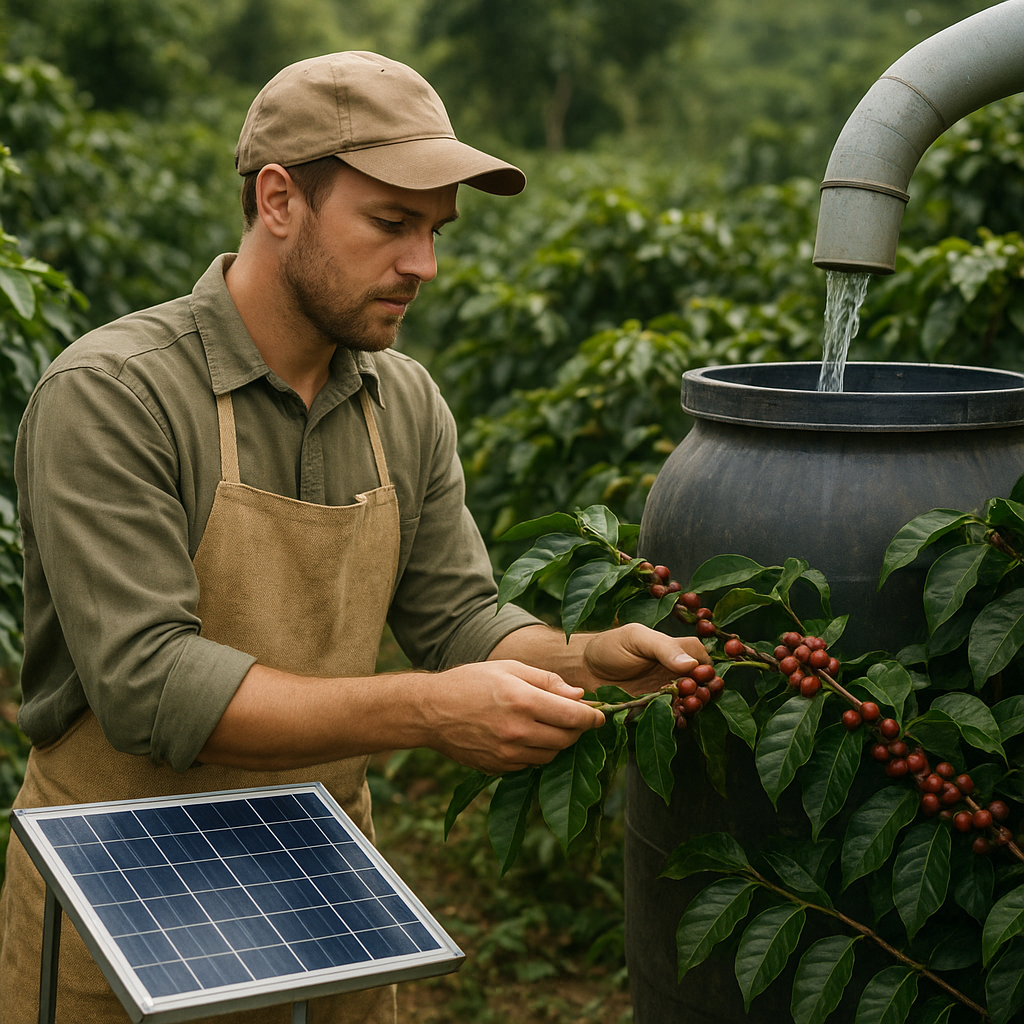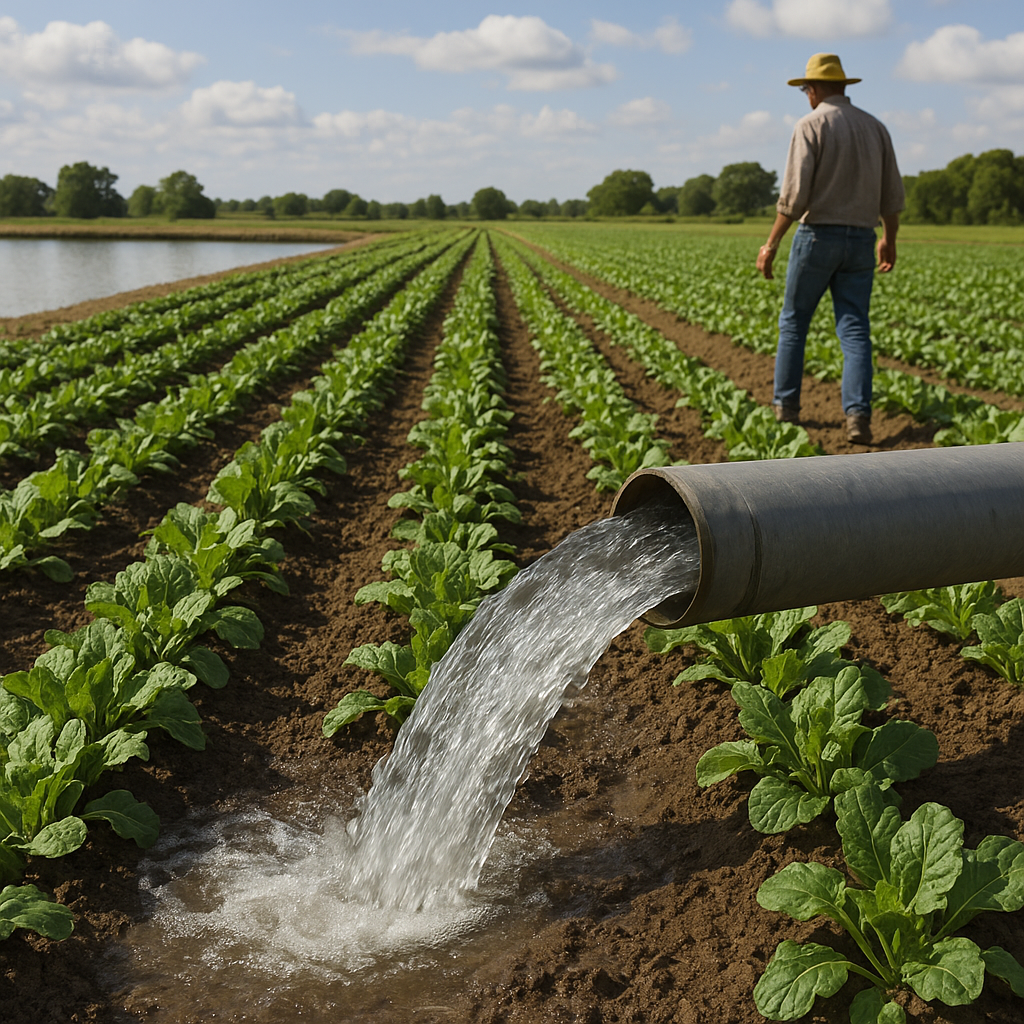
Global water scarcity challenges have propelled the adoption of recycled water in modern agriculture as a key strategy to secure sustainability. By reclaiming wastewater from municipal and industrial sources, farmers can reduce reliance on freshwater reserves while enhancing soil quality and crop performance. This article examines cutting-edge treatment processes, agronomic benefits, regulatory considerations, and emerging trends in the application of reclaimed water for irrigation.
Advanced Treatment Methods for Agricultural Reuse
Ensuring that reclaimed water meets safety standards requires multiple treatment stages. Each stage targets specific contaminants, delivering water with optimized nutrients and minimal health risks.
Primary and Secondary Treatment
- Screening removes large debris and sediments.
- Activated sludge systems deploy microorganisms in bioreactors to degrade organic matter.
- Clarification and sedimentation separate solids from liquid effluent.
Tertiary Treatment and Advanced Filtration
- Microfiltration and ultrafiltration membranes eliminate fine particulates and most bacteria.
- Reverse osmosis addresses dissolved salts, heavy metals, and viruses.
- Advanced oxidation processes (AOPs) use ozone or UV light to break down trace organic pollutants.
Disinfection and Nutrient Balancing
Final disinfection via chlorination or UV irradiation ensures pathogen control. Simultaneously, nutrient profiles are adjusted, maintaining optimal levels of nitrogen and phosphorus critical for plant growth while avoiding eutrophication in receiving waterways.
Benefits to Crop Production and Soil Health
Reclaimed water delivers consistent moisture and mineral content, translating into multiple agronomic advantages:
Enhanced Irrigation Efficiency
- Drip and sprinkler systems calibrated for reclaimed water reduce evaporation losses.
- Automated controls optimize application timing, improving water use efficiency.
Soil Enrichment and Structure
- Organic residues in treated effluent foster microbial activity and aggregate formation.
- Balanced micronutrients support root development and nutrient exchange capacity.
Increased Crop Yields and Quality
Numerous trials report yield improvements of 10–20% in fruit trees, vegetables, and cereals. Reclaimed water’s stable nutrient content promotes uniform growth, enhancing produce size, color, and flavor profile.
Implementation Challenges and Regulatory Frameworks
Despite its promise, implementation of recycled water irrigation faces technical, economic, and policy hurdles. Addressing these challenges is essential to gainscale adoption.
Infrastructure and Cost Considerations
- Construction of parallel distribution networks for reclaimed and potable water entails significant capital investment.
- Operation and maintenance of treatment facilities demand skilled personnel and reliable energy sources.
- Cost–benefit analyses must account for long-term savings on freshwater abstraction fees.
Health and Environmental Regulations
- National guidelines define maximum concentrations for pathogens, heavy metals, and residual disinfectants.
- Monitoring protocols require regular sampling and laboratory testing to verify compliance.
- Buffer zones and crop restrictions may apply, preventing direct consumption of high-risk produce without additional post-harvest treatment.
Community Acceptance and Education
Social perceptions can impede adoption. Farmers and consumers need transparent information on safety, environmental benefits, and long-term impacts. Outreach programs, field demonstrations, and collaborative workshops bolster confidence in recycled water systems.
Future Trends in Recycled Water Agriculture
Ongoing research and innovation are poised to enhance the viability and reach of reclaimed water use.
Smart Irrigation and Data Integration
- Wireless sensors monitor soil moisture, salinity, and nutrient levels in real time.
- AI-driven analytics predict crop water demand, adjusting flow rates and schedules dynamically.
Hybrid Treatment Technologies
- Constructed wetlands leverage plants and microbial consortia for low-energy polishing of effluent streams.
- Electrodialysis and ion exchange systems selectively recover valuable nutrients, creating circular nutrient loops.
Scaling to Diverse Agroecosystems
From arid orchards to intensive greenhouse operations, tailored reclaimed water solutions will expand. Collaborative frameworks between utilities, agricultural cooperatives, and research institutions will accelerate technology transfer and adaptation.
Key Considerations for Stakeholders
Successful implementation hinges on multi-stakeholder engagement:
- Policymakers: establish clear, science-based standards and incentives.
- Water utilities: ensure reliability of supply and rigorous quality assurance.
- Farmers: adopt best practices for irrigation scheduling and soil monitoring.
- Researchers: continue evaluating long-term environmental and agronomic impacts.
By integrating advanced treatment, robust regulation, and stakeholder collaboration, reclaimed water will play an indispensable role in meeting future food security demands while preserving precious freshwater ecosystems.