The shift towards clean energy solutions in farming heralds a new era of mechanisation. Hydrogen-powered tractors, harvesters and irrigation pumps are redefining how modern agriculture balances productivity with environmental stewardship. By integrating hydrogen fuel cells and advanced storage systems, the sector tackles rising energy demands while addressing concerns about emissions and resource depletion. This exploration dives into the transformative potential of these machines, maps current innovations and assesses real-world impacts on farms worldwide.
Advantages of Hydrogen-Powered Machinery
Traditional diesel engines have long dominated the fields, yet they carry a heavy carbon footprint. In contrast, hydrogen systems emit only water vapour, offering a sustainability-driven alternative. Farmers gain quieter operation—reducing noise pollution—and access to consistent power delivery across varied tasks, from ploughing to baling. The key benefits include:
- Zero tailpipe emissions, improving air quality around livestock and communities.
- Rapid refuelling in minutes, matching or beating diesel turnaround.
- Enhanced energy density, enabling longer work cycles without compromising efficiency.
- Modular design, facilitating retrofitting of existing equipment with minimal structural changes.
These features directly support agricultural resilience, allowing producers to weather supply-chain disruptions and fluctuating fuel prices. The shift not only empowers small-scale farms but also paves the way for large agribusinesses to redefine operational benchmarks.
Technical Innovations Driving Adoption
Fuel Cell Integration
At the heart of hydrogen-powered machinery lies the polymer electrolyte membrane fuel cell (PEMFC). This system converts hydrogen gas into electricity through an electrochemical reaction, eliminating conventional combustion. By pairing the fuel cell with a high-voltage battery pack, designers achieve peak power density for demanding tasks like tillage. Furthermore, real-time monitoring networks adjust fuel consumption based on load, optimising output and reducing waste.
Storage and Refuelling Solutions
Safe, compact storage of hydrogen remains critical. Advances in high-pressure composite cylinders allow on-board containment at up to 700 bar. Alternatively, metal hydride tanks offer solid-state absorption, improving safety at a slight weight penalty. Field refuelling stations combine hydrogen generation—via on-site electrolysis powered by renewable sources—and fast-fill dispensers. Farmers can integrate solar or wind installations, creating a fully off-grid, circular energy system.
Environmental and Economic Impacts
Reducing greenhouse gases sits at the forefront of agricultural policy. By replacing diesel tractors with hydrogen variants, farms can cut carbon emissions by over 90%. This dramatic shift supports national climate targets under frameworks such as the Paris Agreement. It also minimises local pollutants including NOx and particulate matter, protecting respiratory health for workers and neighbours alike.
From an economic perspective, initial capital expenditure on hydrogen machinery often exceeds that of diesel counterparts. However, operational savings accumulate through lower fuel costs—especially when infrastructure leverages renewable electricity—and diminished maintenance expenses, thanks to fewer moving parts. Total cost of ownership models project a break-even point within five to seven years under typical usage patterns. As production scales up and supply chains mature, purchase prices are expected to decline further.
Moreover, government incentives and carbon credit schemes can accelerate adoption. Grants for clean-energy investments and tax reliefs cushion upfront costs. In some regions, farmers generate additional revenue by selling excess renewable hydrogen or minor grid services, turning their operations into micro-utilities. This dual-income model enhances farm viability, especially in remote areas with limited market access.
Challenges and Future Outlook
Despite promising advances, several hurdles remain. The high cost of hydrogen production and the nascent state of refuelling networks limit widespread deployment. Scaling up electrolysers and pipeline infrastructure demands significant investment. In addition, standardisation of safety protocols and operator training programmes must keep pace with rapid technological developments.
Research institutions and private firms are collaborating on next-generation catalysts to lower PEMFC costs and extend lifespan. Alternative approaches, such as solid oxide fuel cells (SOFCs), promise operation at higher temperatures and potential integration with waste-heat recovery systems. Meanwhile, pilots in precision agriculture explore autonomous hydrogen-powered drones for field scouting and localized spraying, pushing the envelope of mechanised farming.
The future landscape envisions hybrid fleets where hydrogen machines complement battery-electric and biofuel-powered equipment. Farms will tailor their energy mix based on on-site renewable generation, seasonal demand and policy incentives. Over time, economies of scale and technological breakthroughs are expected to drive down component costs, making hydrogen a mainstream choice for diverse agricultural contexts.
Case Studies of Hydrogen Machinery in Action
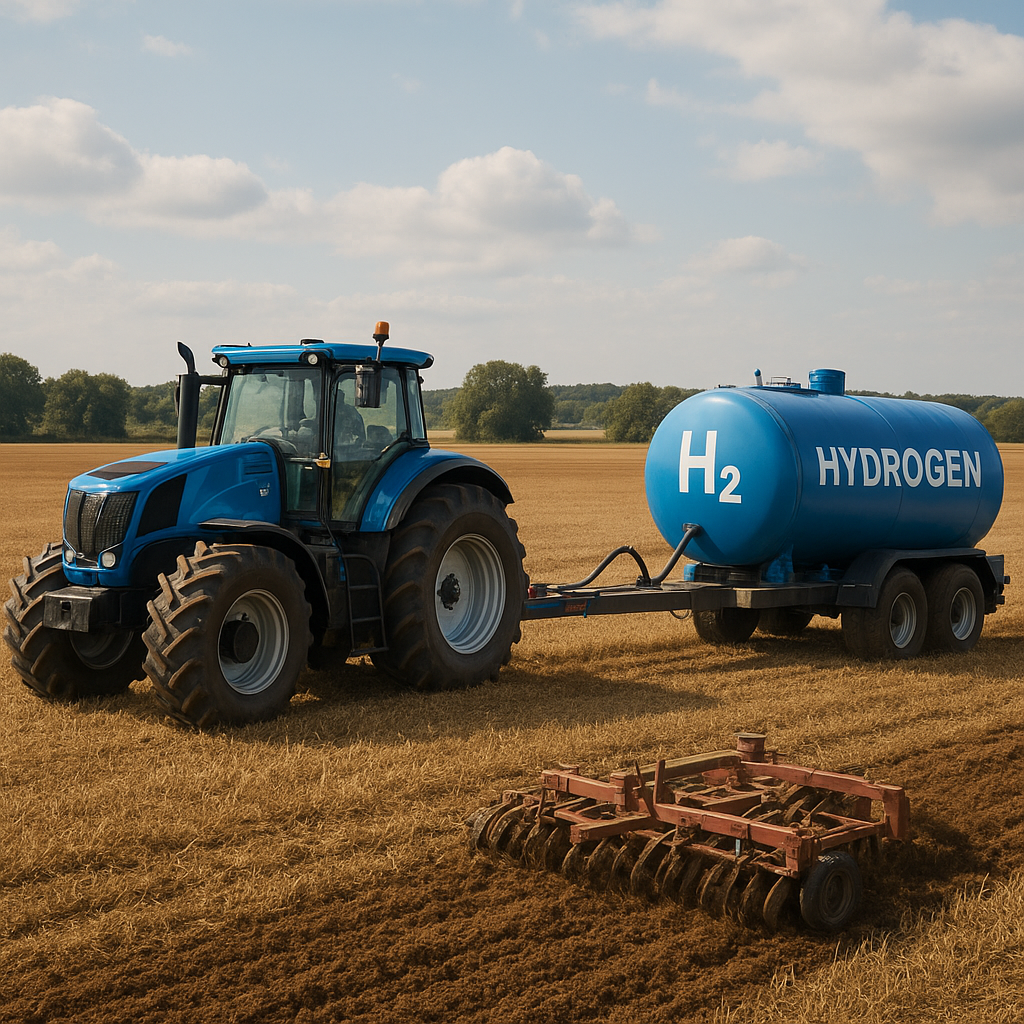
Several pioneering farms have begun field-testing hydrogen tractors and implements. In northern Europe, a cooperative of dairy farmers deployed a prototype traction unit capable of ploughing 20 hectares per day. The project demonstrated a 60% reduction in diesel usage and earned certification under the innovation programme of a major agricultural research body. Results included improved soil compaction metrics due to smoother torque delivery.
In Asia, rice producers have trialled hydrogen-powered irrigation pumps. By utilising local solar arrays for electrolysis, they achieved uninterrupted water delivery during critical transplanting periods. The elimination of diesel exhaust improved working conditions and reduced maintenance downtime related to fuel contamination. Community workshops highlighted transferable skills for handling pressurised gas systems and safety checks.
Across North America, vineyards have adopted small-scale hydrogen utility vehicles for spray and transport duties. Nighttime recharge sessions capitalise on off-peak grid rates. Operators praise the silent operation, which minimises disturbance to nocturnal wildlife and enhances worker comfort. The vehicles have logged thousands of hours in rugged terrain, attesting to their robustness under real farm conditions.
Strategies for Accelerating Deployment
Building a hydrogen-ready agricultural sector involves a multi-pronged approach. Policymakers can:
- Implement targeted subsidies for on-farm electrolyser installations.
- Facilitate partnerships between energy providers and equipment manufacturers.
- Develop regional hydrogen hubs to streamline logistics and reduce transportation costs.
- Standardise refuelling interfaces to ensure interoperability across brands and models.
Educational outreach is equally vital. Extension services must provide hands-on training in resilience planning and safety audits. Demonstration farms serve as living laboratories, showcasing best practices and transferring insights to neighbouring communities. These collaborative frameworks can reduce perceived risk and foster a culture of continuous improvement in the agricultural ecosystem.