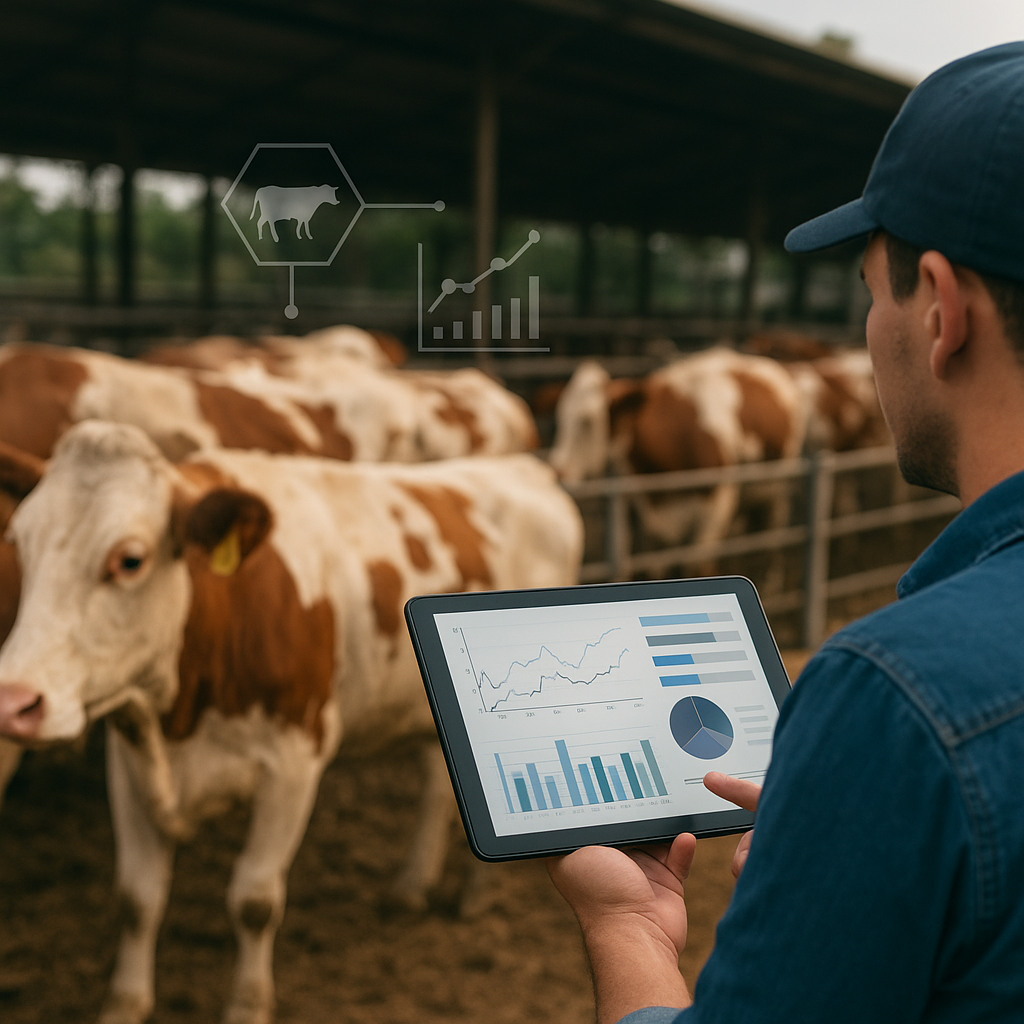
The integration of Precision techniques into modern animal husbandry is reshaping traditional agricultural practices. By harnessing data analytics, farmers can achieve enhanced operational efficiency, improved animal welfare, and greater environmental stewardship. This article explores the convergence of advanced sensors, real-time monitoring, and analytical tools that drive Livestock Farming into a smarter, more sustainable future.
Foundations of Precision Livestock Farming
At its core, Precision Livestock Farming relies on a suite of technological innovations designed to capture and interpret vast amounts of on-farm data. Traditional record-keeping methods are rapidly being replaced by automated systems that can track animal behavior, physiological parameters, and facility conditions around the clock. The adoption of sensor networks—ranging from wearable collars to environmental monitors—enables continuous measurement of vital signs, feed intake, ambient temperature, and humidity. These devices transmit information to centralized platforms, where dedicated software algorithms process and visualize the data for actionable insights.
Central to this paradigm is the transition from reactive to proactive management. Instead of responding to disease outbreaks or production shortfalls only after they occur, farmers can anticipate issues through early-warning alerts. This predictive capacity is largely powered by machine learning models that learn patterns of normal and abnormal behavior over time. When deviations arise—such as reduced rumination in dairy cows or decreased weight gain in swine—the system flags potential concerns, allowing for timely interventions. By fostering a more anticipatory approach, operations benefit from reduced morbidity rates and optimized resource use.
Data-driven decision-making also aligns closely with economic goals. Continuous performance monitoring helps identify underperforming animals or equipment bottlenecks, enabling targeted improvements. Farm managers can allocate feed, water, and labor more efficiently, leading to cost savings and enhanced productivity. Moreover, transparent records of animal health and growth trajectories support traceability requirements and bolster consumer confidence in ethically produced animal products.
Role of Data Analytics in Enhancing Farm Operations
The power of raw data is unlocked through robust analytical frameworks. Once collected, millions of data points undergo cleaning, aggregation, and statistical examination. In this step, advanced algorithms distill complex trends into intuitive dashboards and key performance indicators (KPIs). For instance, a single integrated dashboard might display average daily gain, water consumption per head, and barn temperature fluctuations in near real-time. Managers can drill down into historical trends, compare performance across cohorts, and simulate “what-if” scenarios to guide strategic planning.
Various analytical techniques play distinct roles in driving precision outcomes:
- Descriptive Analytics: Summarizes past performance metrics, such as average mortality rates or feed conversion efficiency.
- Predictive Analytics: Applies regression and classification models to forecast disease outbreaks or growth trajectories.
- Prescriptive Analytics: Recommends optimal interventions, for example adjusting ventilation rates or feed rations to minimize stress and maximize yield.
These layers of analytics transform farm operations from simplistic, rule-based approaches into dynamic, feedback-driven systems. By identifying correlations between environmental variables and animal performance, analytics guides adaptive protocols. For instance, if rising barn humidity correlates with increased respiratory issues, ventilation schedules can be adjusted automatically. This seamless integration of analytics and automation epitomizes the next generation of livestock management.
Furthermore, the incorporation of remote sensing—such as drone-based thermal imaging—offers large-scale surveillance capabilities. Combined with ground sensors, aerial data provides a comprehensive overview of pasture health, grazing patterns, and potential infrastructure weaknesses. This holistic perspective is invaluable for extensive grazing systems where human oversight is limited by geographical spread.
Implementation Challenges and Strategies
Despite its promise, deploying a full-scale PLF framework presents several hurdles. First, the initial capital investment in sensors, network infrastructure, and software can strain budgets, particularly for small and medium-sized farms. To mitigate cost barriers, cooperative purchasing agreements or subscription-based models for analytics platforms are emerging. Leasing equipment or partnering with agritech startups can also spread financial risk.
Technical Barriers
Connectivity in remote rural areas often lags behind urban centers. Without reliable broadband or cellular coverage, real-time data transmission can be inconsistent. Solutions include the use of low-power wide-area networks (LPWAN) or satellite communication technologies tailored for agricultural applications. Edge computing—where preliminary data processing occurs locally on the farm—further reduces latency and bandwidth demands by transmitting only key summaries to the cloud.
Data Management and Security
Managing vast datasets requires rigorous protocols for storage, access, and privacy. Farmers must ensure compliance with regional regulations governing animal data and traceability. Robust cybersecurity measures—such as encryption, secure authentication, and regular software updates—are essential for safeguarding sensitive operational information. Partnering with reputable service providers who adhere to industry best practices helps mitigate data breaches and instills trust among stakeholders.
Human Factors and Training
Transitioning to a technology-driven model necessitates workforce upskilling. Employees need training in sensor maintenance, software operation, and interpretation of analytical outputs. Clear documentation and hands-on workshops can accelerate adoption and minimize user resistance. Cultivating a culture of continuous improvement encourages farm teams to experiment with new tools and share feedback, fostering collaborative innovation.
Future Directions in Livestock Innovation
Emerging trends promise to further elevate the scope and impact of PLF. Integration with blockchain technology is poised to enhance supply chain transparency. By recording each animal’s lifecycle events—from birth to processing—on an immutable ledger, producers can deliver irrefutable assurances on product origin, welfare standards, and environmental footprint. This level of traceability can unlock premium markets and meet rising consumer demands for ethical sourcing.
Advancements in artificial intelligence, particularly deep learning, enable more nuanced interpretation of imagery and audio data. Automated cameras can detect subtle changes in gait or posture, while audio sensors pick up coughing or distress calls. These multimodal insights yield a richer understanding of herd health beyond what traditional metrics capture. As algorithms become more sophisticated, they will offer tailored treatment plans, dynamically adjusting feed formulations and medication dosages at the individual level.
Another frontier lies in closed-loop control systems. By connecting analytical outputs directly to actuators—such as automated feeders, climate-control units, and robotic cleaners—farms can respond instantly to shifting conditions. This end-to-end automation minimizes manual intervention, reduces human error, and ensures consistent adherence to welfare and biosecurity protocols. Ultimately, closed-loop frameworks will redefine farm management paradigms, steering toward self-regulating, high-efficiency operations.
Collaboration across disciplines remains vital. Animal scientists, data engineers, veterinarians, and agronomists must work in concert to refine algorithms, validate sensor accuracy, and establish standardized performance benchmarks. Industry consortia and academic-industrial partnerships play a key role in driving research, pilot testing innovations, and setting guidelines that support scalable adoption.
By embracing these technological advances, livestock producers can achieve greater resilience against climate variability, supply chain disruptions, and evolving market requirements. The marriage of decision-making tools with precision hardware offers a pathway to more ethical, economically viable, and environmentally responsible animal agriculture. As the sector evolves, the principles of PLF will continue to guide efforts toward optimal resource use, improved animal health, and enduring global food security.