Effective management of animal diets has become a cornerstone of modern agriculture, driving both economic gains and improved animal welfare. Implementing a precision approach to feeding not only maximizes productivity but also enhances overall health outcomes for various livestock species. By harnessing data analytics, tailored formulations, and real-time monitoring, producers can deliver nutrients more accurately than ever before.
Tailoring Nutritional Strategies through Data-Driven Approaches
Adopting a nutrition plan based on individual or group metrics offers unprecedented levels of feed customization. The traditional blanket feeding regimes often lead to under- or over-supply of essential nutrients, resulting in wasted resources and potential health issues. Modern systems gather data on weight, growth rate, activity levels, and even environmental factors to create dynamic rations that align with specific performance goals.
Data Collection and Analysis
- Automated weighing scales and RFID tags track individual animal weights and movements.
- Environmental sensors monitor temperature, humidity, and air quality in barns or grazing areas.
- Feed intake measurement systems evaluate consumption patterns in real time.
The integration of these sources allows nutritionists to build nutrient profiling algorithms, optimizing mineral, vitamin, and macronutrient levels to match each animal’s growth curve.
Formulation Software and Decision Support
Advanced formulation tools leverage linear programming and machine learning to adjust feed mixes automatically. These platforms can:
- Predict nutrient requirements at various production stages
- Suggest ingredient substitutions based on market prices
- Ensure compliance with regulatory standards on contaminants or additives
Ultimately, this optimization process leads to more efficient feed use and lower costs per unit of meat, milk, or egg produced.
Role of Gut Microbiome and Innovative Feeds
Emerging research underscores the significance of the gut ecosystem in determining feed conversion and animal resilience. The microbiome plays a critical role in breaking down complex fibers, synthesizing vitamins, and modulating immune responses.
Enhancing Bioavailability through Feed Additives
- Probiotics: Live beneficial bacteria that colonize the digestive tract and outcompete pathogens.
- Prebiotics: Non-digestible fibers that serve as substrates for beneficial microbes.
- Enzymes: Targeted proteins that improve the breakdown of cellulose, phytate, or other anti-nutritional factors.
By enriching diets with these components, producers can boost the bioavailability of key nutrients and reduce reliance on synthetic growth promoters.
Novel Feed Sources
Alternative proteins such as insect meals, algae, and single-cell organisms are gaining traction. Each source carries unique nutritional profiles:
- Black soldier fly larvae: High in lauric acid and readily absorbed protein
- Microalgae: Rich in omega-3 fatty acids and antioxidants
- Yeast derivatives: Promote immune stimulation and gut integrity
Incorporating these ingredients can improve feed efficiency while contributing to more sustainability-oriented production systems.
Advanced Monitoring Technologies in Feed Management
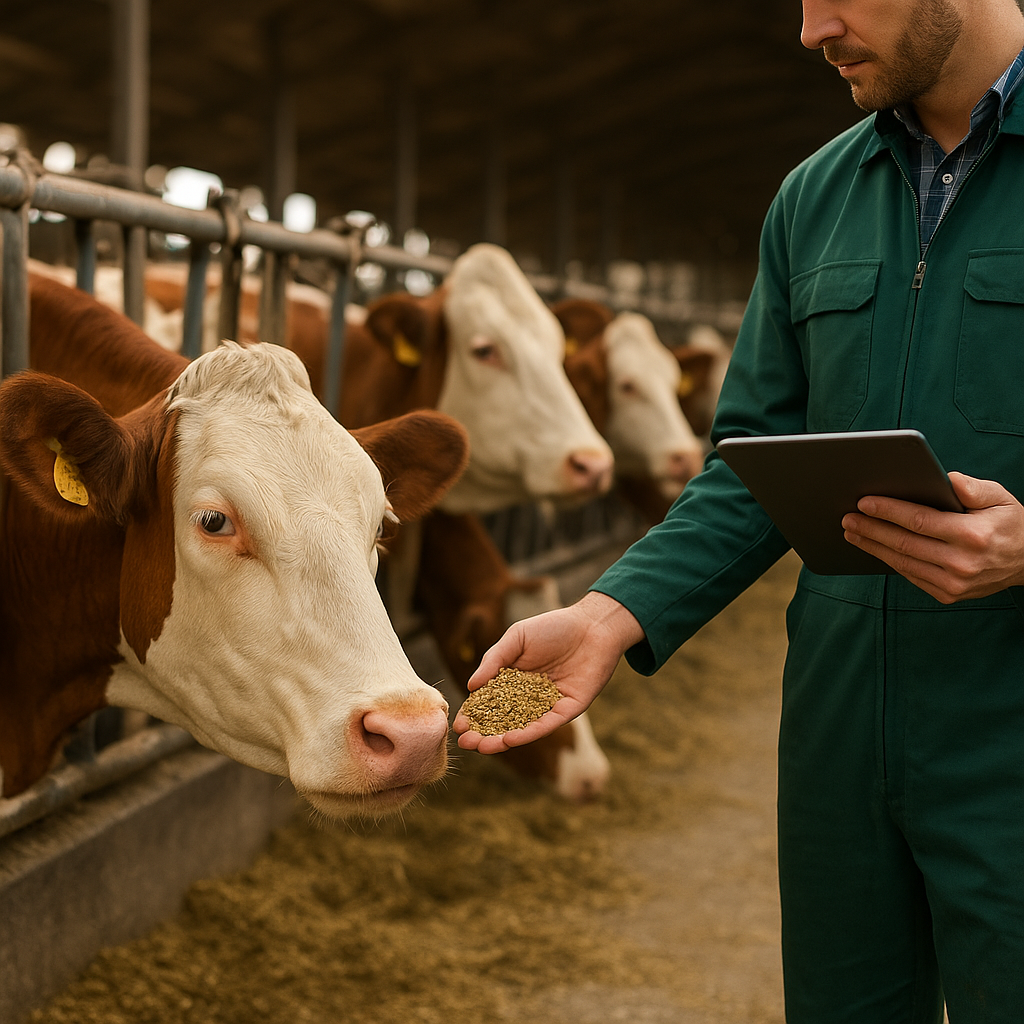
Real-time surveillance of feed delivery and animal responses is a crucial component of precision livestock care. The following technologies are transforming how farmers manage herd nutrition:
- Smart feeders equipped with load cells and identification scanners
- Wearable collars or ear tags that track feeding duration and chewing behavior
- Machine vision systems that estimate body condition score based on images
These tools facilitate continuous monitoring of intake and performance. Alerts can be triggered if deviations from expected growth trajectories occur, allowing for timely interventions.
Integration with Farm Management Platforms
Data from feeding systems often syncs with comprehensive farm management software, centralizing records on health treatments, reproduction, and environmental conditions. This traceability ensures that any nutritional adjustments are supported by historical context, reducing the risk of overlooking chronic issues.
Economic and Environmental Impacts
Precision feeding strategies yield significant economic benefits by decreasing wasted feed and improving conversion rates. On average, targeted nutrition can reduce feed costs by 5–15%, depending on the species and production phase. Moreover, optimized diets lower excretion of nitrogen and phosphorus, mitigating the environmental footprint of livestock operations.
- Reduced greenhouse gas emissions due to more efficient digestion
- Minimized nutrient runoff into water bodies
- Lowered energy consumption in feed processing and transport
Producers who adopt these methods often see enhanced public perception and compliance with stricter environmental regulations, further reinforcing the business case for performance-oriented feeding programs.
Future Directions in Precision Livestock Nutrition
The path forward points toward even more individualized care, where each animal receives a unique diet based on genomic data, behavior patterns, and lifelong health records. Ongoing advances in sensor miniaturization, artificial intelligence, and bioinformatics will drive the next wave of innovation, solidifying the role of livestock nutrition as a key pillar of sustainable and profitable agriculture.