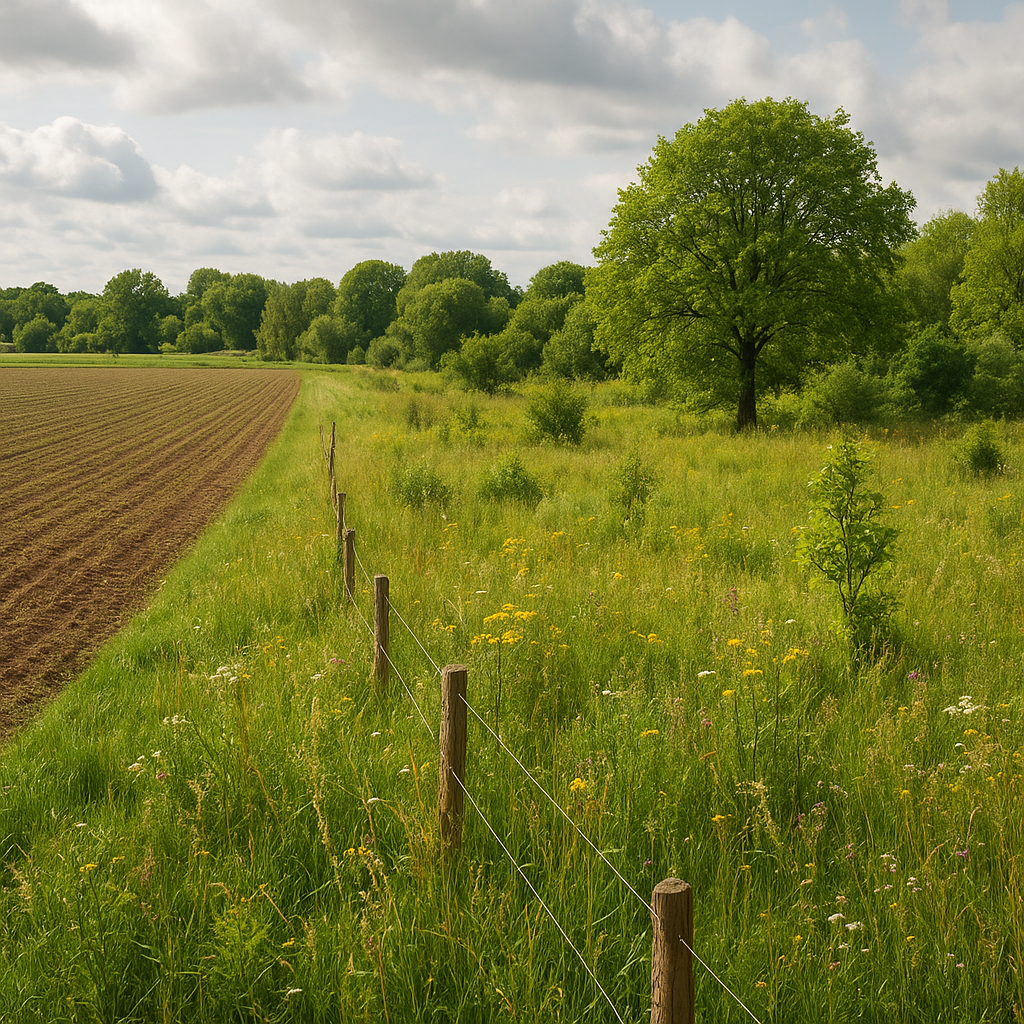
A growing number of farmers, conservationists, and policymakers recognize the untapped potential of marginal farmland—parcels of land deemed uneconomical or unproductive under intensive cultivation. By applying rewilding techniques, these areas can be transformed into thriving habitats that deliver a suite of ecosystem services, bolster regional biodiversity, and strengthen farm-scale resilience. This article explores how rewilding marginal farmland can yield significant environmental benefits, outlines core principles for implementation, and highlights practical case studies demonstrating real-world success.
Understanding Marginal Farmland and Its Challenges
Marginal farmland often sits on steep slopes, features poor soil quality, or experiences erratic rainfall. Conventional agriculture struggles here, leading to soil erosion, nutrient depletion, and the loss of native vegetation cover. Over time, these areas become ecological deserts—offering little support for wildlife or pollinators. Declining soil structure exacerbates runoff, while chemical inputs remain inefficient, raising production costs and degrading water quality downstream.
Despite these setbacks, marginal lands represent a unique opportunity. Their limited suitability for high‐yield cropping means that transitioning to less intensive uses has minimal impact on overall food production. Moreover, healthier soils and restored vegetation can sequester carbon, filter water, and create stepping stones for species migration. Recognizing these benefits reframes underperforming fields as critical assets in landscape-scale conservation.
Principles of Rewilding in Agricultural Landscapes
At its core, agricultural rewilding aims to reintegrate natural processes and native species back into working lands. Key principles include:
- Encouraging biodiversity by planting native trees, shrubs, and wildflowers that support insects, birds, and mammals.
- Establishing wildlife corridors to connect isolated patches of habitat, enabling genetic exchange and seasonal movement.
- Promoting agroecology practices that mimic natural ecosystems, such as polycultures, rotational grazing, and reduced tillage.
- Restoring natural hydrology through swales, ponds, and riparian planting to enhance water retention and reduce erosion.
- Minimizing chemical inputs, thereby protecting soil microbiota crucial for soil health and nutrient cycling.
Implementing these principles fosters self‐sustaining systems where native species thrive, reducing the need for external interventions and generating long-term cost savings.
Environmental Benefits of Rewilding Initiatives
Rewilded farmland delivers a cascade of environmental improvements:
- Carbon Sequestration: Deep‐rooted native grasses and woody vegetation capture atmospheric carbon, storing it in biomass and soil organic matter. This process mitigates greenhouse gas emissions and contributes to climate goals.
- Enhanced Water Quality: Vegetative buffers trap sediment and pollutants, while restored wetlands filter nitrates and phosphates before they reach waterways.
- Pollinator Support: Diverse flowering species supply nectar and pollen throughout the season, benefiting bees, butterflies, and other insects essential for adjacent cropland productivity.
- Wildlife Habitat: Restored habitats accommodate nesting birds, small mammals, amphibians, and reptiles, supporting broader food webs and ecosystem stability.
- Resilience to Extremes: Heterogeneous landscapes with varied plant communities show greater tolerance to droughts and floods, buffering farm operations against unpredictable weather.
Collectively, these benefits translate into healthier landscapes that are more productive, less vulnerable, and better integrated with regional conservation goals.
Implementing Rewilding Strategies: Best Practices
Successful rewilding involves careful planning, stakeholder engagement, and adaptive management. Key steps include:
Site Assessment and Goal Setting
Begin with a thorough survey of soil types, topography, existing vegetation, and hydrological patterns. Define clear objectives—such as boosting native pollinator populations or restoring riparian zones—to guide interventions and metrics for success.
Design and Planting
Select a palette of native species adapted to local conditions. Incorporate nitrogen‐fixers, deep‐rooted perennials, and flowering strata to build structural complexity. Where appropriate, introduce small patches of open water or hedgerows to diversify habitat.
Grazing and Disturbance Management
Integrate targeted grazing by livestock or conservation herds to mimic historical disturbance regimes. Controlled browsing and trampling can prevent shrub overgrowth, stimulate seed germination, and maintain habitat mosaics.
Monitoring and Adaptive Learning
Regularly track plant survival rates, wildlife sightings, soil organic matter, and water quality indicators. Use findings to refine planting mixes, adjust grazing intensity, and address invasive species.
By embedding resilience into each phase, land managers ensure rewilded areas adapt to evolving climatic and ecological pressures.
Case Studies and Future Outlook
Several pioneering farms across Europe and North America illustrate the promise of rewilding marginal land:
- In southern England, a former chalk quarry has been transformed into a mosaic of wildflower meadows and native woodland. Within five years, researchers recorded a 300% increase in pollinator abundance and significant improvements in ecosystem services.
- In the American Midwest, a family‐owned ranch set aside 20% of its least productive acres for riparian restoration. The reestablished streamside buffers reduced nutrient runoff by 40% and reconnected spawning habitat for native fish.
Looking ahead, expanding financial incentives—such as payments for ecosystem services and carbon credits—could accelerate the adoption of rewilding on marginal farmland worldwide. Collaborative networks that share seed banks, technical expertise, and funding opportunities will further scale up efforts, turning underutilized land into vibrant ecological corridors.
By elevating rewilding from niche project to mainstream agricultural strategy, we can forge a future where productive farms coexist with resilient natural systems—safeguarding both food security and environmental health.