Modern agriculture is evolving rapidly as farmers harness advanced technologies to enhance productivity, animal welfare, and ecological balance. One of the most promising innovations is the integration of precision livestock management tools, where smart fencing systems play a pivotal role. These intelligent barriers offer far more than simple containment; they reshape grazing patterns, reduce labor demands, and provide actionable insights into herd behavior. This article delves into the core aspects of smart fencing, exploring its technological foundations, benefits, deployment strategies, and real-world applications.
Technological Foundations of Smart Fencing
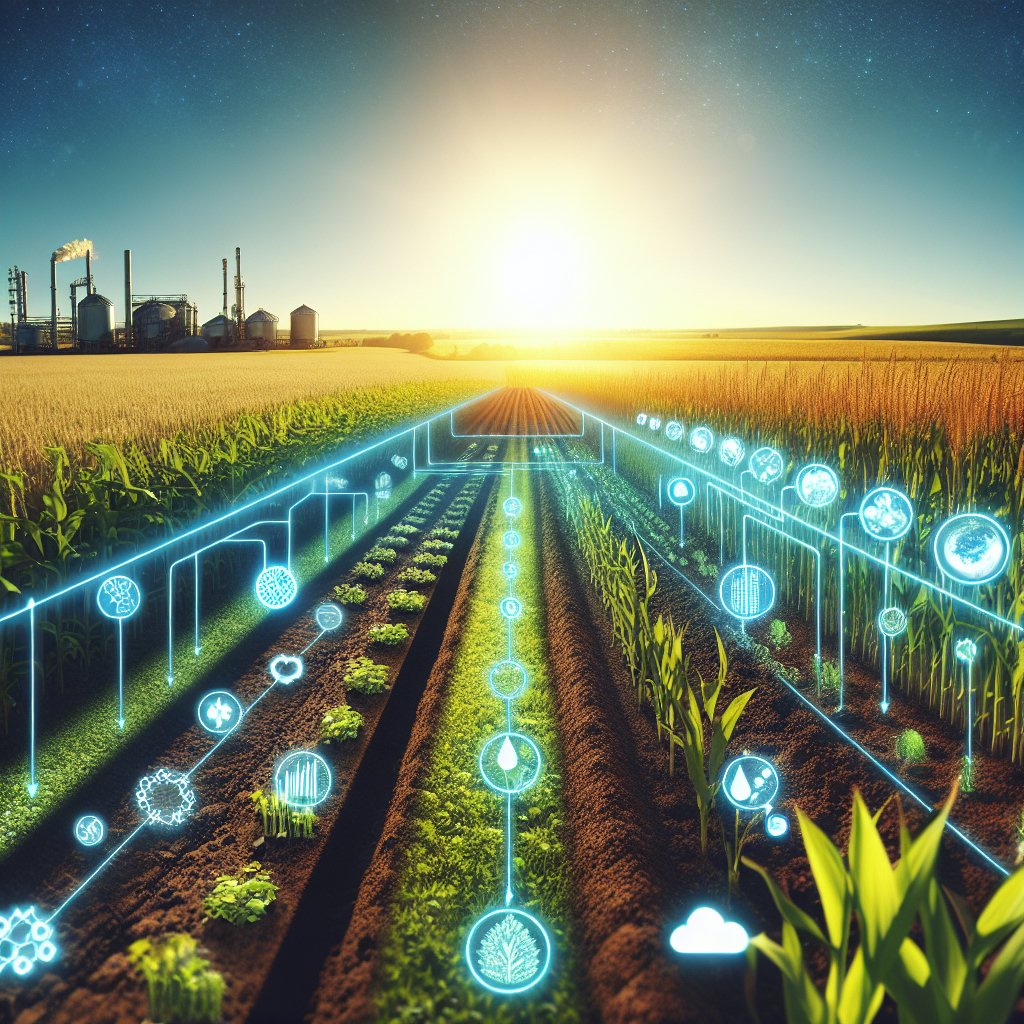
At the heart of any smart fencing solution lies a network of interconnected devices and sensors designed to communicate seamlessly across vast acreage. Key components include:
- Real-time GPS collars or ear tags attached to livestock
- Wireless communication nodes acting as relay stations
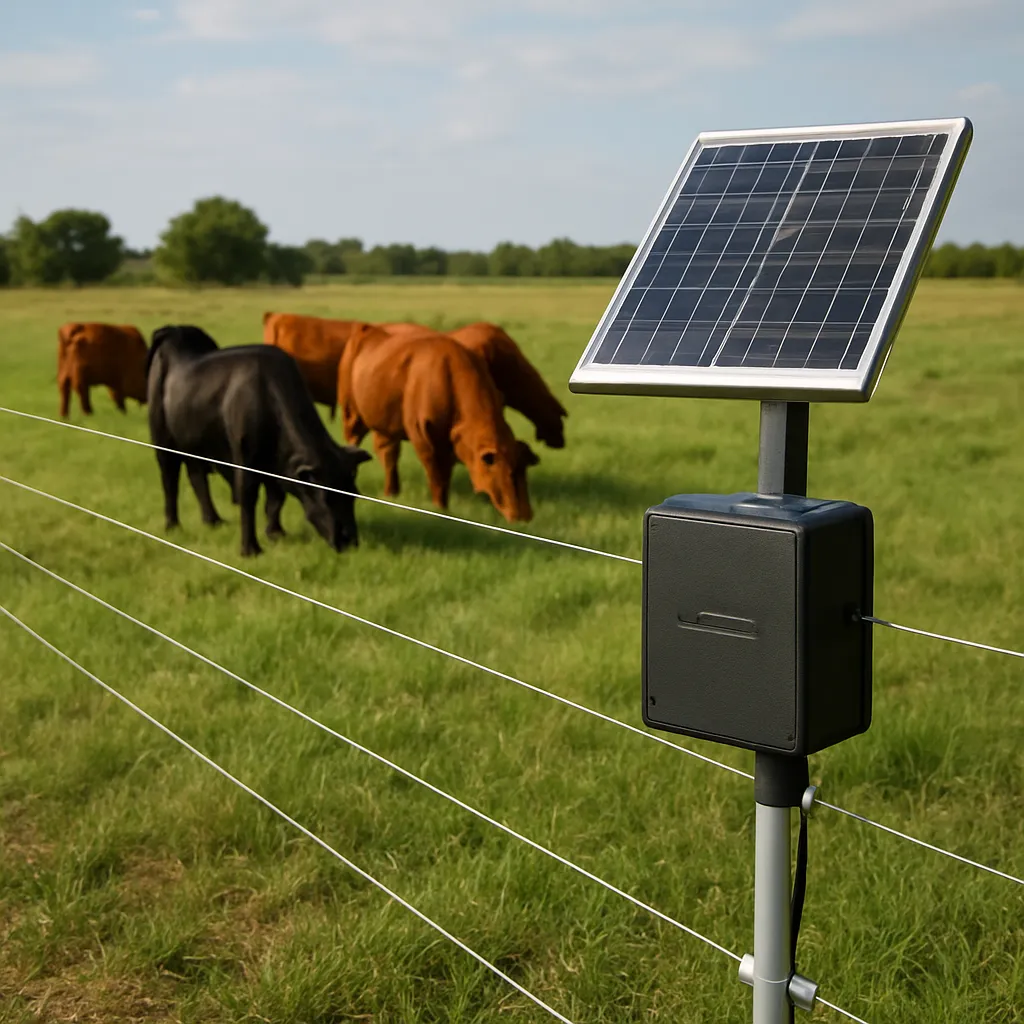
- Solar-powered energizers or battery-operated fences
- Cloud-based management platforms and mobile applications
Each element contributes to the overall system’s ability to monitor and guide animals with minimal human intervention. GPS devices track individual positions, while beacons create virtual boundaries. When an animal approaches or breaches a designated perimeter, the system triggers corrective signals such as mild electrical pulses, auditory cues, or feed incentives to guide the herd back into the allowable zone.
Sensor Networks and Data Transmission
Smart fencing relies on robust connectivity and data throughput. Low-power wide-area networks (LPWAN), LoRaWAN, or cellular 4G/5G connections link field sensors to centralized servers. The advantages of these protocols include extended range, low energy consumption, and high resilience against environmental interference. Farmers access dashboards showing movement heat maps, grazing densities, and intrusion alerts, enabling swift decision-making.
Software Integration and Analytics
Data collected by sensors must be processed and presented in an intuitive format. Advanced algorithms analyze spatial patterns to optimize pasture rotation, predict overgrazing risks, and generate customizable alerts. Integration with farm management information systems (FMIS) ensures all operational metrics—feed usage, veterinary records, and labor costs—are synchronized. These platforms can also support automation of tasks such as water supply regulation and remote gate control.
Benefits of Implementing Smart Fencing Systems
By adopting intelligent perimeter controls, livestock producers stand to gain multiple advantages:
- Enhanced pasture utilization through dynamic grazing zones
- Reduced labor expenses and manpower allocation
- Improved animal safety and minimized escape incidents
- Lower infrastructure costs compared to conventional fence lines
- Actionable insights for herd health and behavior analysis
A few stand-out outcomes include:
Optimized Grazing Management
Traditional fencing often causes uneven grazing, leading to underutilized or overgrazed patches. Smart fencing systems enable farmers to create rotating paddocks without physically moving fences. Pasture segments can be virtually expanded or contracted based on forage availability, weather forecasts, and herd nutritional needs. This level of efficiency fosters stronger root systems in pastures, promotes biodiversity, and lowers the risk of soil erosion.
Cost-Effectiveness and Durability
Compared to permanent wooden or wire fences, intelligent boundary solutions require less material and installation labor. While initial outlays for devices and software may seem significant, long-term savings manifest through reduced maintenance, fewer animal losses, and lower labor overhead. Components built from weather-resistant polymers and UV-stabilized metals ensure that systems remain durable even in harsh climates.
Animal Welfare and Security
Stress and injury linked to traditional herding methods can be mitigated by gradual corrective signals that guide livestock back within safe zones. Remote alerts notify farmers of potential breaches, predatory threats, or unusual herd movements, bolstering security. In emergency scenarios—such as fires or floods—virtual fences can be rapidly reconfigured to direct animals toward safe areas without human presence on-site.
Designing and Deploying Smart Fencing Solutions
Successful implementation demands careful planning and collaboration between agronomists, IT specialists, and livestock managers. Key steps include:
- Site assessment and environmental impact analysis
- Selection of appropriate sensor types and communications protocols
- Customization of fence boundaries and response parameters
- Training staff on system operation and maintenance
- Integration with existing farm management workflows
Site Survey and Boundary Mapping
Begin by conducting a topographical survey to identify natural barriers, water sources, and grazing hotspots. Digital mapping tools allow precise plotting of virtual fences along ridgelines, stream banks, or roads. Adjusting boundary geometry helps avoid sensitive ecosystems and promotes sustainability.
Hardware Installation and Calibration
Deploy GPS units on a representative sample of the herd. Calibrate signal strength and timing intervals to balance battery life against data update frequency. Install relay nodes at strategic intervals—often on fence posts or existing farm structures—to ensure uninterrupted communication. Solar panels should be oriented to receive maximum sunlight, guaranteeing continuous power for remote devices.
Software Configuration and User Training
Configure alert thresholds based on risk tolerances: for example, multi-tiered warnings when animals approach buffer zones, followed by corrective feedback if thresholds are exceeded. Provide on-site and remote training sessions for farmhands, demonstrating how to monitor dashboards, acknowledge alerts, and adjust virtual perimeters. Emphasize troubleshooting routines such as sensor reset procedures and firmware updates.
Case Studies and Practical Insights
Farmers worldwide have begun sharing their experiences with smart fencing, highlighting both successes and lessons learned. Below are selected examples:
- Scotland Sheep Farm: Reduced labor hours by 40% and increased pasture regrowth rates by 25% through rotational grazing managed entirely via virtual boundaries.
- Australian Cattle Station: Deployed a hybrid LoRaWAN network across 200,000 acres, achieving live tracking of 3,000 head of cattle and cutting stray incidents by 70%.
- U.S. Dairy Operation: Integrated smart fences with milking schedules to funnel cows automatically toward milking parlors, enhancing throughput and reducing stress-related health issues.
Lessons Learned
Key takeaways from early adopters include:
- Invest in comprehensive training to minimize user errors.
- Regularly audit sensor performance and recalibrate annually.
- Maintain redundant power sources to avoid data gaps.
- Collaborate with local livestock associations for best practices.
Overall, these installations demonstrate that smart fencing can adapt to diverse climates, terrain types, and farm scales. With proper design and ongoing management, producers can achieve a new level of operational scalability and resource stewardship.