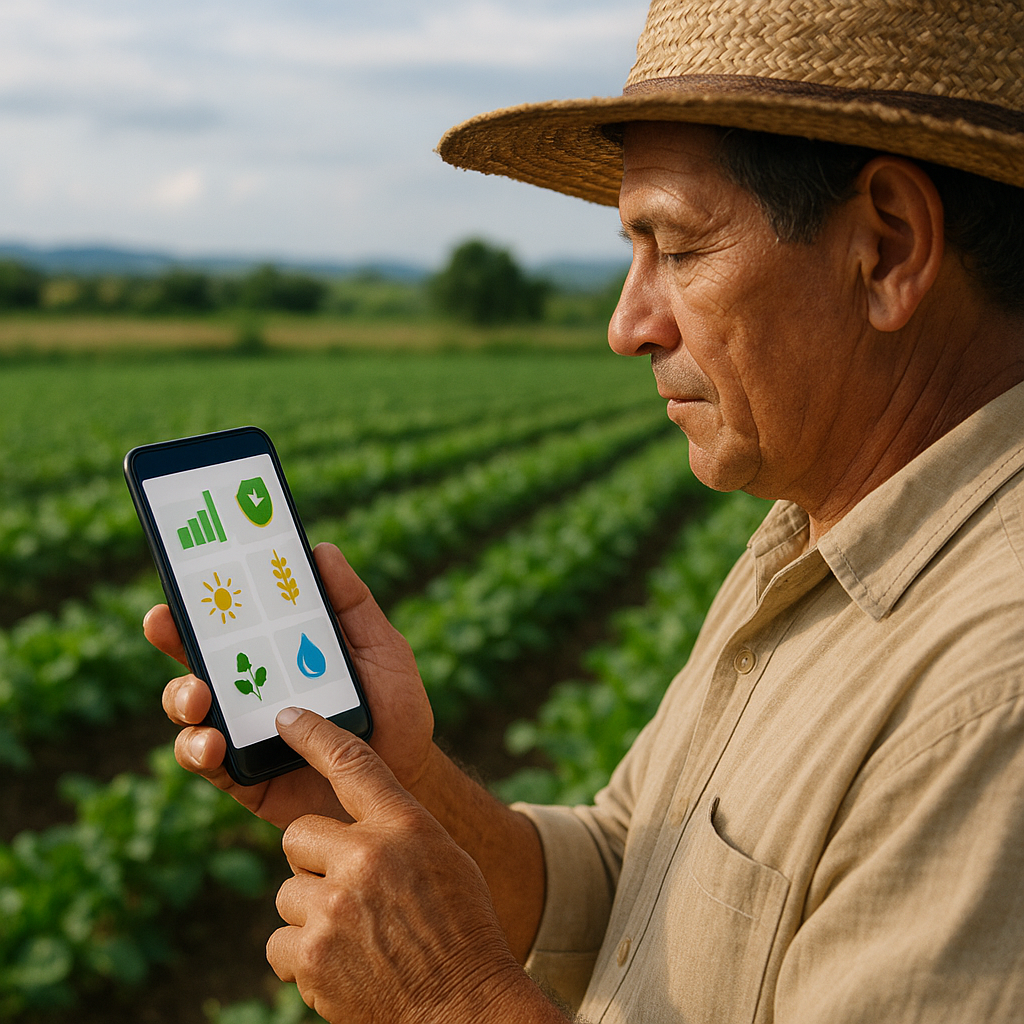
Smartphone technology has transformed farm operations by placing powerful tools directly into the hands of growers, ranchers, and agribusiness professionals. With a combination of user-friendly interfaces, cloud-based data storage, and real-time communication channels, these mobile applications are reshaping how agricultural stakeholders make decisions, manage resources, and engage with markets worldwide.
Farm Management and Crop Optimization
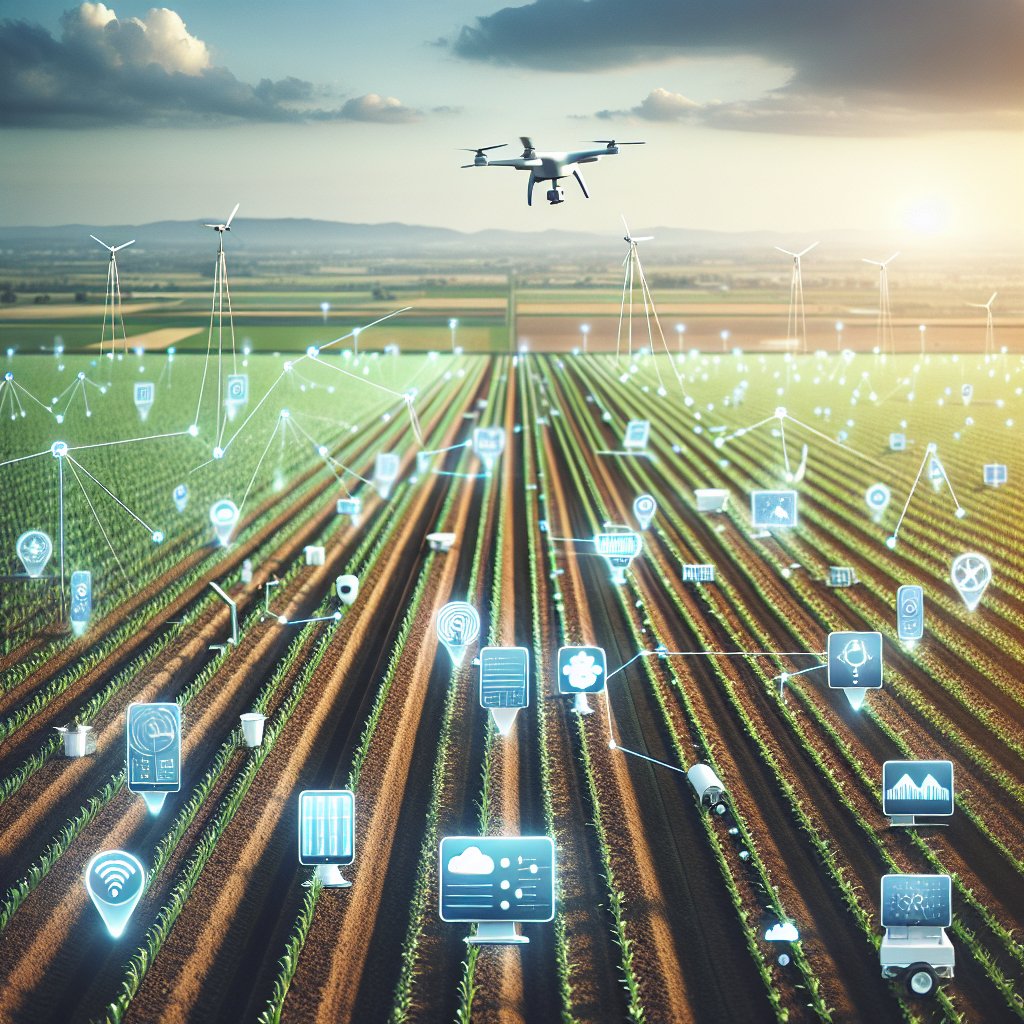
Digital platforms are revolutionizing the way farmers approach precision agriculture. By leveraging GPS-enabled field mapping, growers can divide their land into management zones, each with unique soil, moisture, and topographical characteristics. Mobile apps that integrate remote sensing data and machine learning algorithms help optimize input applications of water, fertilizer, and agrochemicals, boosting overall efficiency while reducing waste.
Soil and Weather Monitoring
Smartphone sensors, paired with connected soil probes and weather stations, feed continuous streams of environmental measurements to cloud servers. Users receive instant alerts when monitoring thresholds—such as nutrient deficiency, frost risk, or drought stress—are crossed. This timely intelligence allows farmers to schedule irrigation, apply nutrients, and deploy frost protection with pinpoint accuracy, safeguarding plant health and improving yield potential.
- Smart irrigation scheduling applications track evapotranspiration rates, guiding water usage.
- Soil fertility platforms analyze real-time pH and nutrient levels, recommending corrective treatments.
- Climate risk calculators synthesize regional weather forecasts, supporting proactive crop defense.
Such analytics-driven systems foster sustainable practices by avoiding blanket treatments and promoting targeted interventions. Over time, data accumulation empowers predictive modeling that improves season-to-season planning and long-term resource conservation.
Market Access and Price Information
For smallholders and large-scale producers alike, understanding prevailing market prices is essential for maximizing profitability. Mobile marketplaces and price-tracking apps compile input costs, commodity quotes, and demand indicators from multiple sources—auctions, cooperatives, export hubs, and digital trading platforms. Farmers can compare local retail rates against wholesale export figures, identifying favorable sales channels and timing.
Digital Trading Hubs
Several applications link growers directly with buyers, bypassing middlemen and reducing transaction fees. Through in-app messaging, contract negotiation becomes more transparent, and payment guarantees are established via secure escrow services. This digital connectivity not only increases revenue potential but also strengthens traceability, as product origins and handling conditions are documented on shared ledgers.
- Real-time price alerts notify users of sudden market shifts, enabling quick responses.
- Peer-to-peer trade networks facilitate bulk orders and group shipping discounts.
- Mobile wallets and digital finance modules simplify payments, credit access, and insurance purchases.
By integrating financial services, these apps expand farmers’ access to working capital, crop insurance, and microloans—addressing longstanding barriers to growth.
Community Engagement and Knowledge Sharing
Interactive forums, social media integrations, and virtual training modules foster peer-to-peer decision-making. Farmers can upload photos of pest infestations or nutrient disorders, receiving expert diagnoses within hours. Dedicated Q&A sections connect users with extension agents, agronomists, and experienced colleagues, promoting the rapid dissemination of best practices.
Virtual Field Days and E-Learning
Video-based tutorials cover topics ranging from integrated pest management to post-harvest handling. Augmented reality overlays in some apps demonstrate equipment calibration steps or highlight proper pruning cuts on a live camera feed. Such hands-on guidance bridges geographical divides and accelerates skill development across diverse production systems.
- Community-driven rating systems ensure reliable content and expert credibility.
- Multilingual interfaces democratize access for non-English-speaking users.
- Offline caching features guarantee uninterrupted learning in low-connectivity zones.
This ecosystem of shared knowledge fosters resilience, as communities adapt collectively to emerging threats like climate fluctuations, pest outbreaks, or market volatility.
Livestock Management and Traceability
Beyond cropping systems, smartphone apps are equally impactful for livestock producers. Digital tags and QR codes link animal health records, vaccination schedules, and weight-tracking logs to a single mobile dashboard. Veterinarians can remotely review herd health, prescribe treatments, and schedule on-farm interventions based on real-time feed intake and activity data captured by ear tags or wearable sensors.
Blockchain and Food Safety
Traceability solutions built on blockchain technology ensure every step of the supply chain—from birth registration to processing—is immutably recorded. Consumers and retailers can scan a code on a meat package to verify its origin, feeding regime, and antibiotic use history. This level of transparency boosts consumer trust and opens premium market segments for producers who maintain stringent quality standards.
Challenges and Future Directions
Despite impressive advancements, several obstacles hinder universal adoption of mobile ag-tech. Many regions still face unreliable network coverage, data privacy concerns, and a lack of digital literacy. Subscription costs and hardware compatibility present further barriers for resource-constrained users. Addressing these issues demands concerted efforts by governments, private enterprises, and non-profit organizations to subsidize connectivity, provide training programs, and develop low-bandwidth, user-friendly interfaces.
Looking ahead, integration of sustainability metrics and carbon footprint calculations into farm management apps will become increasingly important. Decision-support tools powered by artificial intelligence will refine long-term crop rotation planning and soil health restoration strategies. Moreover, the rise of Internet of Things ecosystems—combining drones, autonomous tractors, and edge-computing devices—will usher in a new era of on-the-go digitalization, where every element of the agricultural value chain is interlinked.
By bridging the gap between traditional farming wisdom and cutting-edge technology, smartphone applications are laying the groundwork for a safer, more resilient, and data-driven global agriculture sector. As these platforms continue to evolve, they will play a central role in meeting rising food demands while preserving natural resources for future generations.