Cocoa farming stands at a pivotal crossroads, where **innovation** and tradition converge to shape a more **resilient** and eco-friendly future. As global demand for chocolate continues to climb, producers face mounting pressure to enhance **productivity** while safeguarding the natural resources that sustain their livelihoods. This article explores breakthrough approaches in sustainable cocoa cultivation encompassing agroforestry, water management, pest control, and community empowerment.
Innovative Agroforestry Practices
Integrating cocoa trees into diverse agroforestry systems has emerged as a leading strategy to boost **biodiversity**, improve **soil health**, and sequester carbon. Traditional monoculture plantations strip the land of nutrients and expose crops to harsh weather extremes. In contrast, **mixed-species** plantings mimic natural forest ecosystems, offering multiple benefits:
- Canopy layering: Taller shade trees such as banana, plantain, or Gliricidia reduce direct sunlight, maintaining optimal temperatures under cocoa pods.
- Nitrogen-fixing species: Leguminous trees like Inga edulis enrich the soil by converting atmospheric nitrogen into plant-accessible forms, lowering dependence on synthetic fertilizers.
- Habitat corridors: Native overstory trees serve as wildlife refuges, promoting pollination and biological pest control through natural predators.
Research trials in West Africa and Latin America reveal that cocoa grown under a well-structured agroforestry canopy can achieve yields comparable to full-sun systems, but with significantly improved ecosystem services. Farmers adopting this model note enhanced resilience to droughts and floods, as multilayered vegetation buffers extreme weather events.
Water Management and Soil Conservation Technologies
Maintaining consistent moisture levels and preventing nutrient loss are crucial for sustainable crop development. Recent innovations in **irrigation** and soil stabilization offer cocoa growers avenues to conserve precious water resources and maintain fertile land:
Drip Irrigation and Moisture Sensors
- Targeted water delivery: Drip lines place water directly at the plant’s root zone, minimizing evaporation and runoff.
- Smart sensors: Soil moisture probes connected to Bluetooth or GSM networks allow real-time monitoring of water needs. Automated valves can open or close based on preset thresholds, ensuring optimal hydration without wastage.
Mulching and Contour Farming
- Organic mulches, such as cocoa husks or rice straw, preserve soil moisture, suppress weeds, and gradually decompose into rich humus.
- Terracing and contour planting on slopes mitigates erosion by slowing water runoff and encouraging infiltration.
Combined, these techniques significantly reduce water stress during dry seasons and prevent the loss of topsoil. Farmers using contour lines report up to a 40% decrease in soil erosion, while drip irrigation setups can cut water usage by 50% compared to flood systems.
Sustainable Pest and Disease Control
Outbreaks of pests such as cocoa pod borer and diseases like black pod rot threaten productivity and often trigger reliance on chemical pesticides. However, **integrated pest management** (IPM) strategies pave the way for effective, eco-friendly solutions:
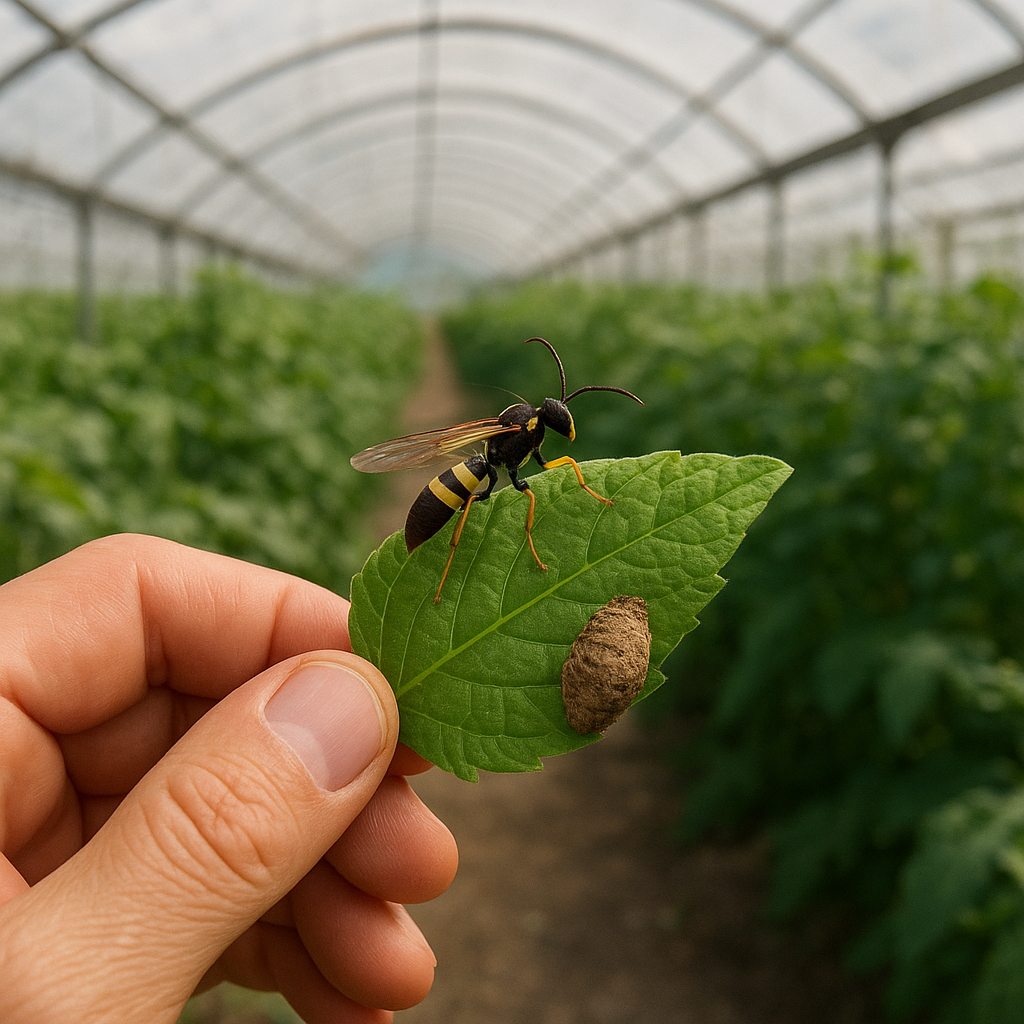
- Biological control: Releasing parasitic wasps or predatory mites curtails pest populations without chemical residues.
- Botanical extracts: Neem oil and other plant-based compounds exhibit fungicidal and insect-repellent properties, reducing reliance on synthetic chemicals.
- Resistant varietals: Breeding programs focus on disease-tolerant cocoa cultivars, combining high yield potential with natural immunity to common pathogens.
Field trials demonstrate that farms adopting IPM can lower pesticide expenses by up to 70%, while promoting a safer working environment. Moreover, reduced chemical runoff protects adjoining waterways, fostering healthier aquatic ecosystems.
Enhancing Traceability and Quality through Digital Tools
Global consumers are increasingly conscious of the origin and production methods behind their chocolate. Digital platforms and mobile apps now enable full **traceability** from farm to factory:
- Blockchain ledgers record every transaction, guaranteeing tamper-proof data on harvest dates, processing methods, and quality metrics.
- QR codes on packaging allow end-users to scan and learn about the farmer’s name, farm location, and sustainability certifications.
- Remote sensing via drones and satellites tracks canopy health and alerts stakeholders to potential issues before they escalate.
By ensuring transparency, these technologies reassure buyers about ethical sourcing and premium quality. Producers receive fairer prices as brands pay premiums for verified sustainable practices.
Economic Empowerment and Community Engagement
At the heart of sustainable cocoa farming lies the welfare of smallholder communities. Innovative cooperatives and training initiatives are uplifting farmers through:
- Skill development: Workshops on agroforestry design, financial planning, and marketing strengthen local capacity.
- Microfinance schemes: Affordable loans for purchasing seedlings, irrigation equipment, or beekeeping hives enable diversification and **income stability**.
- Fairtrade partnerships: Commitments to minimum price guarantees and community premiums fund schools, clinics, and infrastructure projects.
These efforts foster a sense of collective ownership and ensure that the long-term benefits of sustainable innovations remain within the community. Empowered farmers can advocate for better land rights, tackle climate challenges, and build a legacy of prosperity for future generations.
Conclusion
Unlocking the full potential of cocoa cultivation demands a multi-faceted approach that blends cutting-edge **technologies** with time-tested ecological wisdom. From advanced irrigation to biological pest control, each innovation contributes to a more **resilient** and profitable farming model. As farmers, researchers, and consumers unite around shared goals of environmental stewardship and social equity, the future of chocolate promises to be as sustainable as it is delicious.