The integration of advanced technologies into agriculture has ushered in an era where data-driven strategies transform traditional practices. By leveraging predictive analytics, farmers can anticipate challenges, optimize inputs, and improve overall productivity. This article examines how modern tools enhance farm operations through strategic data handling, intelligent modeling, and sustainable resource management.
Data Integration and Real-Time Monitoring
A robust data infrastructure is the foundation for any analytics-driven farming strategy. Collecting and processing vast streams of information—from weather stations to soil sensors—allows stakeholders to maintain an accurate view of field conditions. Implementing a unified platform for real-time data tracking offers several advantages:
- Visibility into soil moisture, temperature, and nutrient levels
- Immediate alerts for equipment failures or extreme weather events
- Seamless integration of satellite imagery and drone-based surveys
When data sources converge into a centralized system, farm managers gain the ability to respond swiftly to evolving conditions. For example, soil sensors detecting drought stress can trigger an irrigation schedule adjustment, minimizing water waste and safeguarding crop health. Similarly, linking weather forecasts with planting schedules helps optimize field activities, reducing risks associated with late frosts or heavy rainfall.
Architectural Components
- Data Collection Modules: IoT sensors, UAVs, and meteorological stations feed continuous streams of field metrics.
- Storage Layers: Cloud-based repositories support scalable storage, enabling high-frequency data ingestion.
- Processing Engines: Edge computing and distributed processing ensure minimal latency for time-sensitive decisions.
- Visualization Dashboards: User-friendly interfaces display actionable insights, encouraging rapid adoption among field operators.
Developing Machine Learning Models for Crop Yield Prediction
Accurate forecasting of crop yield empowers producers to plan harvest schedules, allocate labor efficiently, and negotiate market contracts confidently. Advances in machine learning facilitate the creation of predictive models that correlate historical performance with environmental variables. Key steps in model development include:
- Data cleansing and normalization to handle missing values and measurement discrepancies
- Feature engineering to extract relevant predictors such as planting density, fertilizer usage, and seasonal trends
- Selection of appropriate algorithms, including regression trees, neural networks, and ensemble methods
- Model validation using cross-validation techniques and out-of-sample testing
Ensemble approaches, which combine multiple algorithms, often yield superior accuracy by balancing bias and variance. For instance, integrating gradient boosting with random forests can highlight complex interactions between soil chemistry and irrigation schedules. Once validated, these models deliver probabilistic forecasts, allowing managers to assess scenarios such as early harvesting or additional fertilization.
Enhancing Decision Support
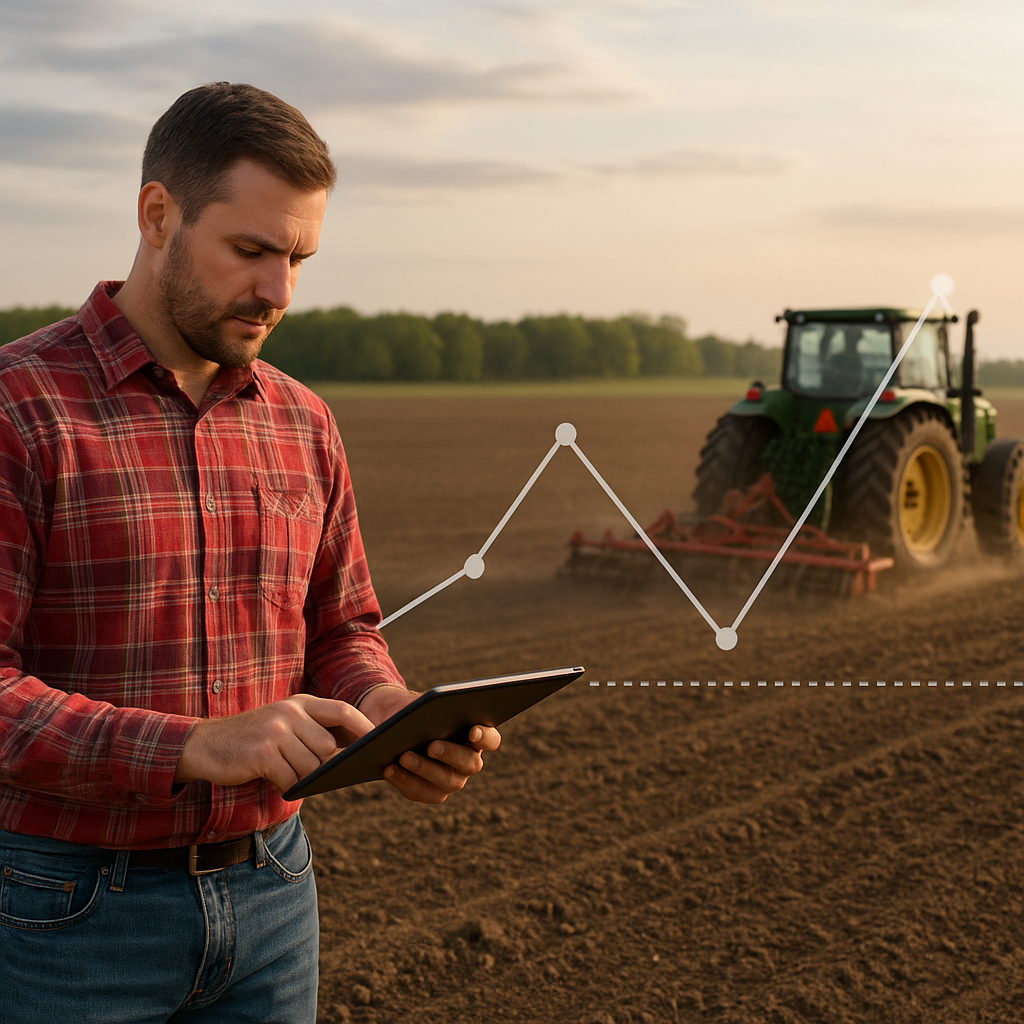
Embedding predictive models into farm management platforms transforms static reports into dynamic planning tools. Farmers can input hypothetical scenarios—altering planting dates or switching crop varieties—to simulate projected yields under varying climatic conditions. Such interactive decision-making aids in:
- Negotiating forward contracts with grain buyers
- Determining optimal input levels to meet production targets
- Anticipating labor needs during peak harvest periods
Optimizing Resource Allocation and Sustainability
Achieving long-term sustainability requires precise matching of inputs to actual crop requirements. Overapplication of fertilizers or water not only increases costs but also degrades ecosystems. Leveraging analytics to refine resource allocation reduces environmental impact while maximizing economic returns. Core strategies include:
- Variable Rate Technology (VRT) for seed, fertilizer, and water
- Soil health monitoring to guide amendment scheduling
- Crop rotation analytics to maintain biodiversity and soil fertility
- Carbon footprint assessment for each field operation
By applying VRT, tractors equipped with GPS and prescription maps adjust input levels on the go. This ensures that each zone receives only the nutrients or moisture it needs, minimizing runoff and nutrient leaching. In parallel, crop rotation algorithms plan sequences that break pest cycles and improve soil organic matter. Such rotational strategies not only bolster yield resilience but also align with regulatory demands for sustainable land management.
Risk Management and Financial Planning
Integrating predictive insights into financial models enhances risk management and budgeting. Agricultural lenders and insurers increasingly rely on data-driven risk assessments to evaluate loan applications and policy premiums. Predictive risk indices may incorporate:
- Historical yield volatility for specific crop varieties
- Exposure to extreme weather events based on geospatial analysis
- Validation of management practices through sensor data logs
Proactive risk modeling helps farmers obtain favorable financing terms and safeguard against revenue losses. By coupling yield forecasts with commodity price simulations, stakeholders can craft hedging strategies and insurance products that closely match their operational profiles.
Implementing Predictive Analytics in Farm Management Systems
Transitioning from pilot projects to full-scale deployment requires careful change management. Ensuring user adoption and data quality involves:
- Training programs for operators to interpret analytical outputs correctly
- Standardized data protocols to maintain consistency across devices
- Integration with existing Enterprise Resource Planning (ERP) systems
- Continuous feedback loops to refine models based on on-farm results
Successful implementations often begin with targeted pilots on representative plots. Measuring the impact of analytics-driven interventions against control areas validates return on investment. Gradual scaling, coupled with stakeholder engagement, fosters trust in new workflows and technologies. Collaboration with agronomic experts, data scientists, and equipment vendors ensures that platforms remain flexible and responsive to evolving farm needs.
Future Directions and Emerging Technologies
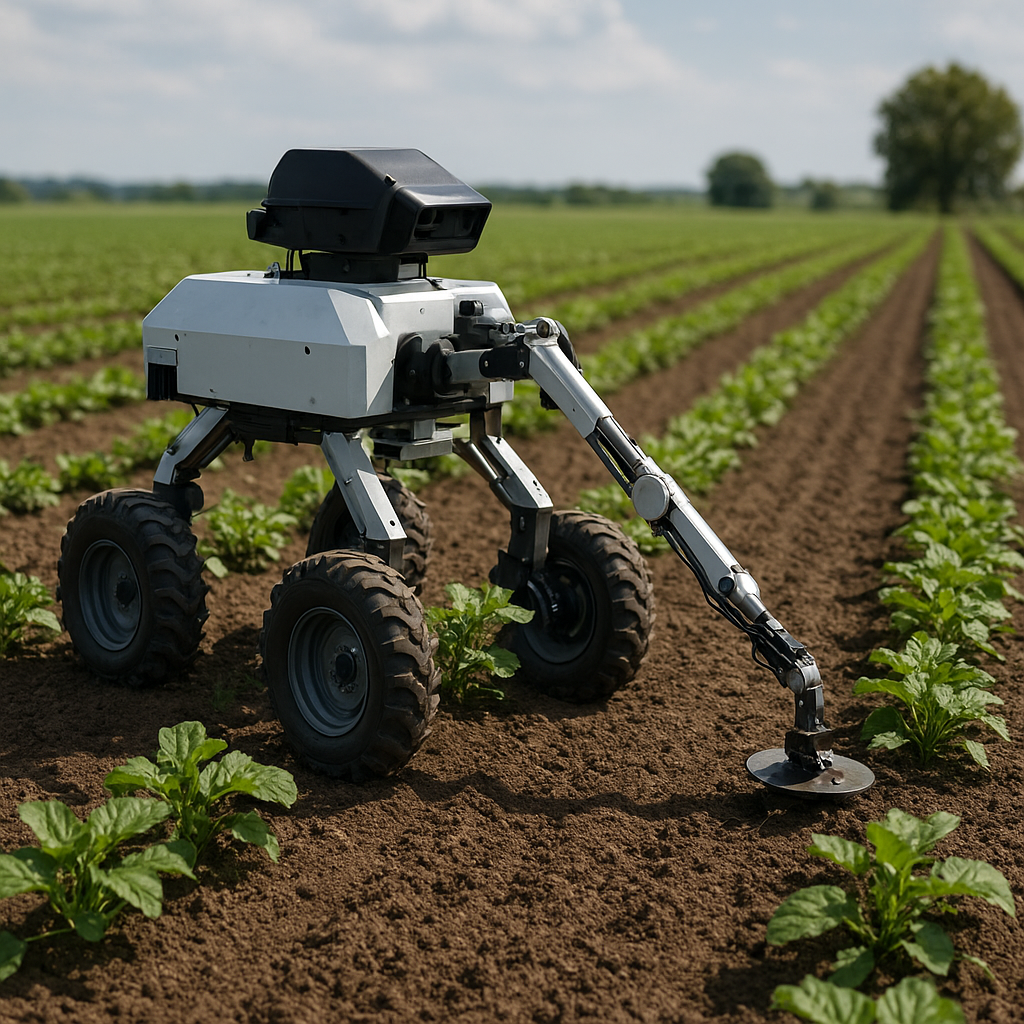
The landscape of digital agriculture continues to evolve rapidly. Innovations such as edge AI, blockchain-based supply chain tracking, and autonomous field robotics promise to amplify the benefits of precision agriculture. Upcoming trends include:
- Edge AI processors embedded in farm machinery for on-the-fly analytics
- Blockchain systems for transparent provenance and traceability
- Swarm robotics for coordinated planting, weeding, and harvesting
- Integration of genomics data to customize crop varieties to microclimates
By staying at the forefront of these developments, farmers and agribusinesses can further refine operational efficiencies, enhance environmental stewardship, and secure a competitive edge in global markets. Embracing analytics as a core pillar of strategic planning will pave the way for resilient, high-yield systems that meet the demands of a growing population.