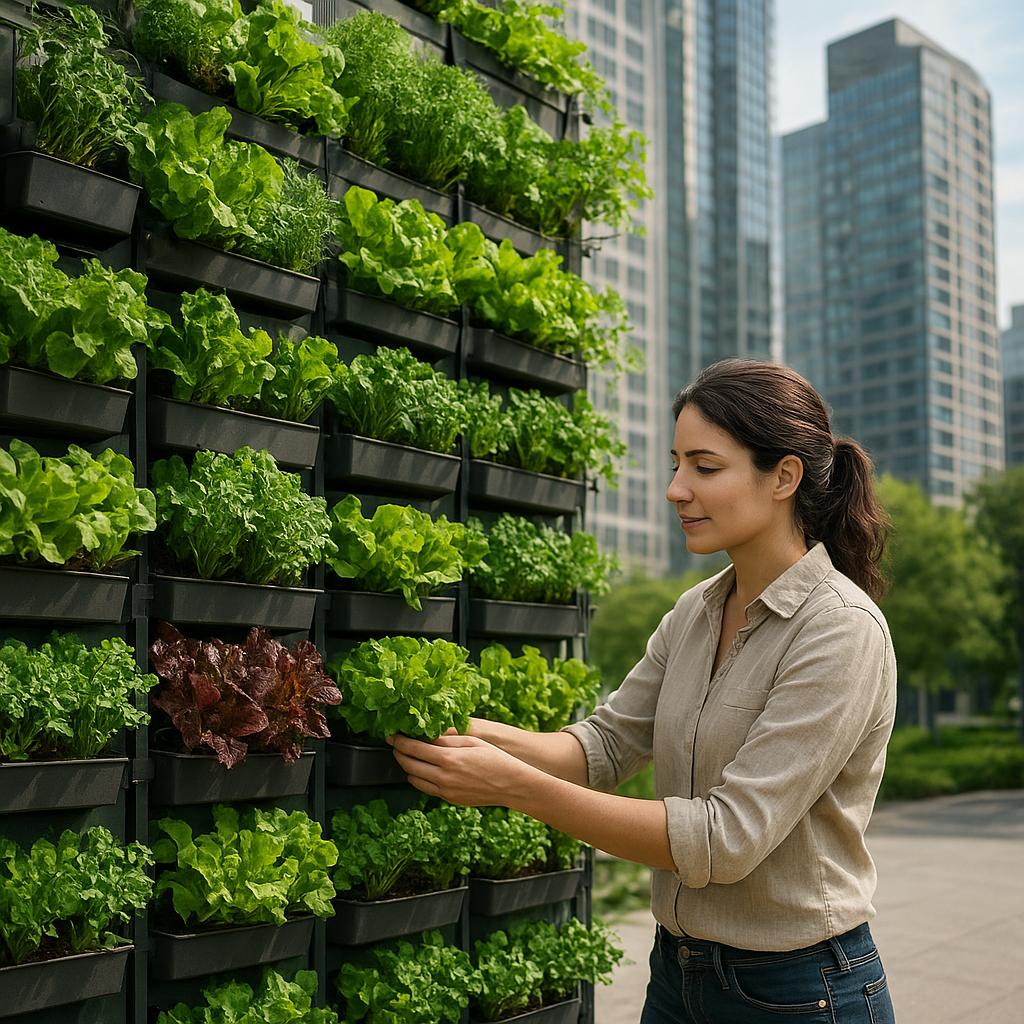
Urban landscapes are undergoing a transformative shift as architects, farmers, and city planners collaborate to integrate green spaces into dense concrete jungles. By elevating food production above ground level, communities can harness otherwise unused vertical surfaces. This approach not only addresses local food security but also contributes to environmental resilience and aesthetic appeal. Below, we explore how vertical gardens are feeding urban populations through innovative design, advanced technology, and cooperative strategies.
Advantages of Vertical Gardens in Urban Settings
Vertical gardens, also known as living walls or green facades, offer a host of benefits that extend beyond traditional soil-based farming. They optimize land use, making them ideal for cities where horizontal space is at a premium. Key advantages include:
- sustainable land management – transforming bare walls into productive surfaces
- Enhanced biodiversity – providing habitats for pollinators and beneficial insects
- Improved air quality – plants filter pollutants and absorb carbon dioxide
- Energy savings – green walls insulate buildings, reducing heating and cooling costs
- Enhanced resilience to urban heat islands by lowering ambient temperatures
Environmental Benefits
By deploying vertical gardens, cities can meaningfully reduce their carbon footprint. The plant layers serve as natural filters for particulate matter and other pollutants, promoting healthier urban atmospheres. Moreover, the evapo-transpiration process contributes to local humidity regulation, mitigating extreme temperature swings that often plague metropolitan areas.
Social and Aesthetic Gains
Vertical gardens also enrich public spaces, offering residents visual relief from monotone concrete. They can be installed in schools, hospitals, and public transit hubs to foster a connection with nature. Community-driven green walls become focal points for education and engagement, bridging gaps between residents and cultivating a sense of shared ownership.
Innovative Techniques and Technologies
The success of vertical farming depends on integrating cutting-edge systems that ensure efficient resource management. Modern installations often rely on soilless cultivation methods such as hydroponics and aeroponics, which minimize the need for traditional fertile ground.
- Hydroponic systems – delivering nutrient-rich water directly to plant roots
- Aeroponic misting – suspending plant roots in air and providing a fine spray of nutrients
- Modular panel design – allowing easy expansion and maintenance of living walls
- Automated irrigation – optimizing water delivery on a schedule or via sensor feedback
- Energy-efficient LED lighting – enabling year-round production even in shaded alleys
Advanced Nutrient Delivery
Precise control of nutrient mixtures ensures uniform plant growth and maximizes yield. Computerized dosing pumps adjust pH and mineral levels in real time, preventing deficiencies or toxicities. This fine-tuned approach eliminates guesswork and promotes consistent harvest cycles.
Smart Monitoring and Control
Integration of the Internet of Things (IoT) enables continuous tracking of environmental parameters. Sensors measure humidity, light intensity, and root-zone moisture, transmitting data to a central dashboard. Building managers can respond instantly to alerts, ensuring optimal conditions and reducing resource waste.
Economic and Social Implications
Vertical gardens are not only an environmental innovation but also an economic engine. They create new job opportunities in design, installation, and maintenance. Additionally, they can spur local entrepreneurship as small businesses supply seedlings, nutrients, and technical services.
- Local food production cuts transportation costs and carbon emissions
- Urban farms supply fresh produce to restaurants, grocers, and community programs
- Educational initiatives teach residents about community agriculture and healthy eating
- Property values may rise near well-maintained green installations
- Partnerships between municipal authorities and private firms foster innovation
Affordability and Access
While setup costs for vertical systems can be significant, economies of scale and technological improvements are driving prices down. As more stakeholders recognize benefits, grant programs and subsidies are becoming available to support low-income neighborhoods, ensuring equitable access to nutritious food.
Community Engagement
Involving local residents in planting and harvesting fosters a sense of pride and cooperation. Workshops and volunteer days transform sterile walls into vibrant community hubs. Such engagement can boost mental well-being and foster social cohesion.
Challenges and Future Outlook
Despite the promise of vertical gardens, challenges remain in terms of maintenance, structural integration, and water management. Designers must account for load-bearing constraints and potential damage to building envelopes. Moreover, irrigation systems demand careful calibration to prevent leaks or mold growth.
- Structural assessments – ensuring walls can support saturated planting modules
- Waterproofing layers – preventing moisture damage to interior spaces
- Pest control – managing insects that thrive in lush vertical habitats
- Long-term system upkeep – replacing aging components before failure
- Regulatory hurdles – navigating zoning laws and building codes
Technological Innovations on the Horizon
Future research focuses on integrating renewable energy sources such as photovoltaic cells within green walls, creating self-sustaining units. Advances in robotics and automation promise to streamline planting and harvesting, reducing labor demands and boosting reliability.
Expanding the Impact
As cities embrace the vertical dimension of agriculture, we can expect broader adoption in densely populated regions worldwide. Multi-story towers dedicated entirely to urban farming could become neighborhood landmarks, supplying fresh produce and educational opportunities. Such developments will play a pivotal role in securing food supplies against climate pressures and resource scarcity.
Conclusion
Vertical gardens represent a powerful strategy to enhance food production within metropolitan environments. By leveraging technology, community engagement, and forward-thinking design, urban areas can reduce their ecological footprint and bolster food security. As this trend continues to evolve, it will reshape how we think about agriculture, turning every wall into a potential source of fresh, nutritious harvests.