In the ever-evolving landscape of modern agriculture, practitioners are turning to innovative methods to address the unique demands of arid landscapes. Among these solutions, drip irrigation stands out as a transformative approach, enabling farmers to manage scarce resources while maintaining high productivity. This article explores the technical foundations, ecological benefits, implementation strategies, and potential challenges associated with adopting drip irrigation systems in arid regions, highlighting the critical role of precision agriculture in optimizing water use and promoting sustainable practices.
Technology and Principles of Drip Irrigation Systems
At its core, drip irrigation involves delivering water directly to the root zone of crops through a network of pipes, emitters, and valves. This method contrasts sharply with traditional surface flooding or overhead sprinkler systems, which often result in significant losses through evaporation and surface runoff. By controlling the flow rate and pressure, drip systems provide consistent moisture levels, ensuring that plants receive the exact quantity of water required for optimal growth.
System Components
- Mainline pipes: Transport water from the source to distribution nodes.
- Sub-main lines and manifolds: Branch off from the mainline to supply different field zones.
- Emitters and drippers: Metered outlets that release water at a controlled efficiency.
- Filters: Prevent particulates from clogging drippers and maintain consistent flow.
- Pressure regulators: Ensure uniform distribution by stabilizing pressure throughout the network.
Water Delivery and Regulation
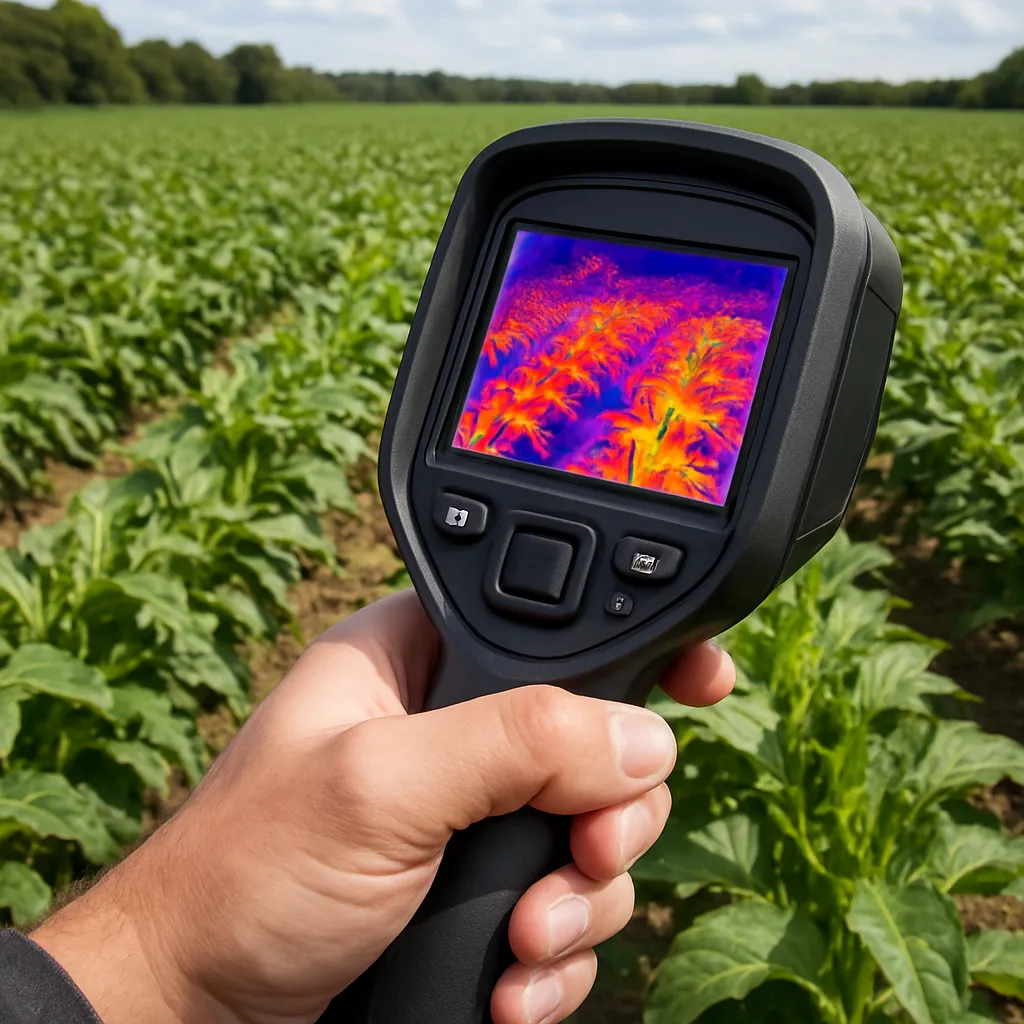
Precise control over water application is achieved via pressure-compensating emitters that maintain steady flow rates, even when pressure fluctuates within the lines. Advanced systems integrate sensors and automated valves to measure soil moisture, ambient temperature, and crop water stress indicators. These data points feed into a central control unit, enabling dynamic adjustments that minimize waste and maximize resource efficiency.
Ecological and Agronomic Benefits
Drip irrigation systems foster a multitude of environmental and agricultural advantages, particularly in regions where water scarcity is a defining constraint. By channeling every drop to the plant roots, they promote sustainability and help preserve precious groundwater reserves.
Enhanced Water Conservation
- Reduction of evaporation losses: Water remains close to the soil surface and within the root zone.
- Minimized runoff: Eliminates surface pooling and erosion associated with flood irrigation.
- Lower leaching potential: Nutrients remain in place, reducing the need for frequent fertilization.
Boosted Crop Yield and Quality
Consistent moisture levels translate to uniform plant development and improved crop yield. Farmers report higher-quality produce with better flavor, color, and shelf life, attributed to the stable supply of water and nutrients. Field trials in several semi-arid zones have shown yield increases of up to 30% compared to conventional irrigation methods.
Microclimate Regulation
By maintaining moisture in the root zone, drip irrigation systems mitigate extreme soil temperatures. Cooler soil reduces plant stress during hot daytime peaks, leading to a more favorable microclimate around the crop canopy. This effect can lower the incidence of pests and diseases, further contributing to healthier harvests.
Implementation Strategies and Best Practices
Successful deployment of drip irrigation demands careful planning, from system design to ongoing management. Farmers and agronomists must collaborate to ensure that infrastructure investments yield maximum returns while preserving environmental integrity.
Site Assessment and System Design
- Topography analysis: Determines optimal pipe layout to maintain consistent pressure.
- Soil texture evaluation: Influences emitter spacing and flow rates to match infiltration rates.
- Crop selection: Tailors irrigation schedules to the specific water requirements of each species.
- Water source assessment: Evaluates supply reliability and quality, including salinity levels.
Installation and Calibration
Proper installation is critical. Lines must be laid out to minimize bends and pressure drops, and filters should be installed at the system inlet. Technicians calibrate emitters in small test sections to verify uniform discharge rates, adjusting pressure regulators and flushing the network to clear debris before full-scale operation.
Monitoring and Maintenance
- Periodic filter cleaning: Prevents emitter blockage and ensures continuous efficiency.
- Leak detection: Uses pressure tests and field inspections to locate damaged pipes.
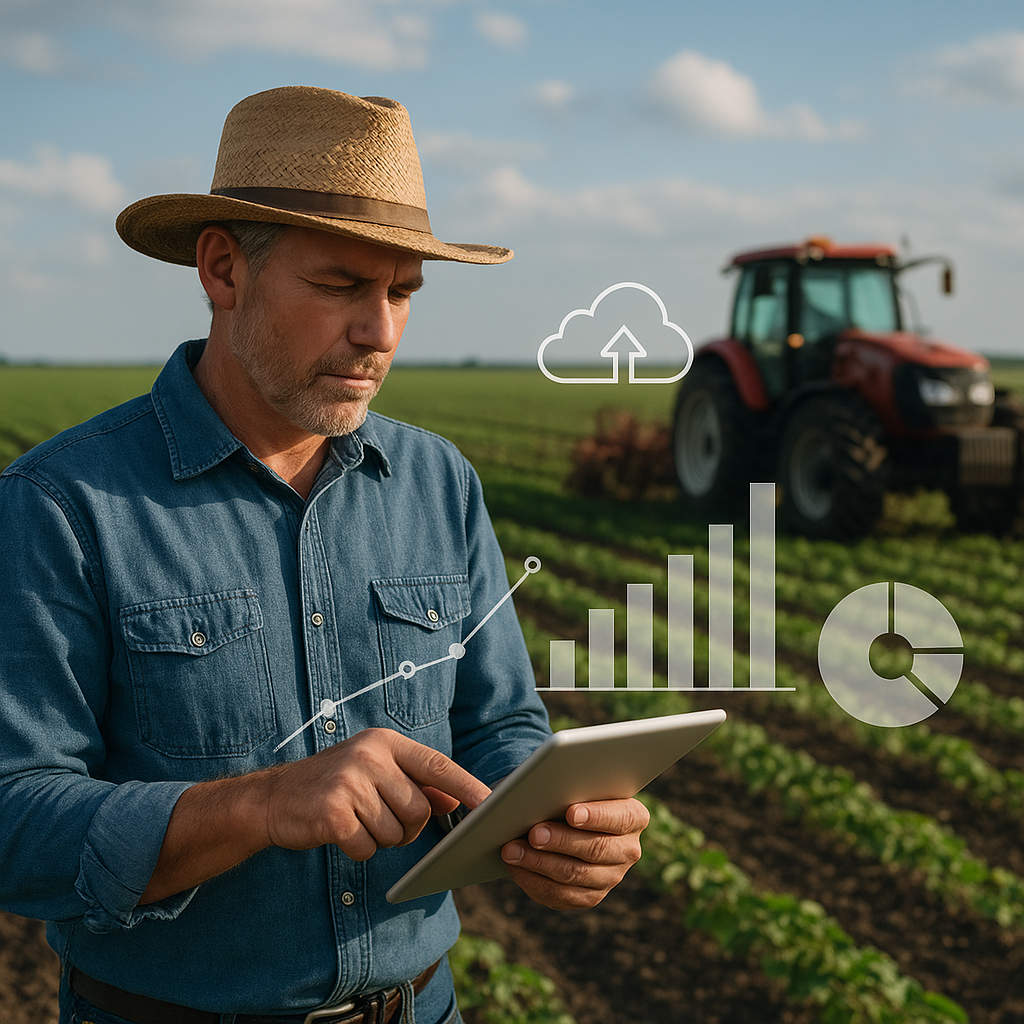
- Sensor integration: Real-time data on soil moisture and environmental variables informs irrigation events.
- Regular system audits: Analyze water consumption and crop response, refining schedules as needed.
Economic Viability and Motivation
While initial investment costs for drip conservation systems can be higher than for conventional methods, the long-term economic benefits often outweigh these expenditures. Reduced water bills, lower energy consumption for pumping, and improved yield stability contribute to attractive return-on-investment (ROI) figures.
Cost–Benefit Analysis
- Capital costs: Pipes, emitters, control units, and sensors.
- Operational savings: Up to 50% reductions in water usage and 20–30% lower energy costs.
- Revenue gains: Higher market prices for premium-quality produce and increased sales volume.
- Subsidies and incentives: Many governments and NGOs offer financial support to encourage sustainable practices.
Farmer Training and Community Engagement
Capacity building is essential to ensure that users extract full benefits from advanced irrigation technologies. Training programs cover system operation, troubleshooting, and adaptive management strategies. Community-based models, where groups of smallholder farmers share resources and expertise, have proven especially effective in transforming local agricultural economies.
Challenges and Future Prospects
Despite its advantages, drip irrigation faces obstacles that must be addressed to expand its adoption in water-stressed zones. Continuous innovation, coupled with supportive policies, will determine the trajectory of this vital technology.
Technical and Environmental Hurdles
- Salinity buildup: Requires scheduled leaching or periodic flushing to maintain soil health.
- Emitter clogging: Demands high-quality filtration and regular maintenance.
- Initial costs: Can be prohibitive for resource-poor farmers without financial assistance.
- Power supply reliability: Essential for automated pump and sensor operation.
Research and Development Trends
Emerging innovations include biodegradable drip tapes, solar-powered pumping stations, and advanced AI-driven scheduling algorithms that integrate weather forecasts and crop growth models. These technologies promise to further enhance system sustainability and water-use precision, making drip irrigation an even more compelling solution for the world’s driest farmlands.
Policy and Market Dynamics
Governments and international organizations play a pivotal role in scaling drip irrigation through subsidy programs, technical assistance, and public–private partnerships. By aligning agricultural policy with environmental goals, stakeholders can foster resilient food systems capable of thriving under climatic uncertainty.