The pursuit of resilience in crop species has accelerated with the increasing challenges posed by climate change and water scarcity. Genetic innovation offers promising pathways to develop drought-resistant varieties capable of maintaining high yields under harsh conditions. This article explores the foundational research, cutting-edge techniques, and real-world applications that are shaping the future of sustainable agriculture.
Genetic Foundations of Drought Resistance
Plants’ ability to survive prolonged dry spells depends on a suite of physiological and molecular traits. By understanding the genetic basis of these traits, researchers can identify targets for breeding and genetic modification.
Molecular Mechanisms and Gene Networks
At the core of drought resistance are complex gene regulatory networks. Key players include:
- Transcription factors that regulate stress-responsive genes.
- Osmoprotectant synthesis pathways, enabling cells to maintain turgor under low water potential.
- ABA (abscisic acid) signaling components that modulate stomatal closure to reduce water loss.
- Root architecture genes that promote deeper or more extensive root systems for improved water uptake.
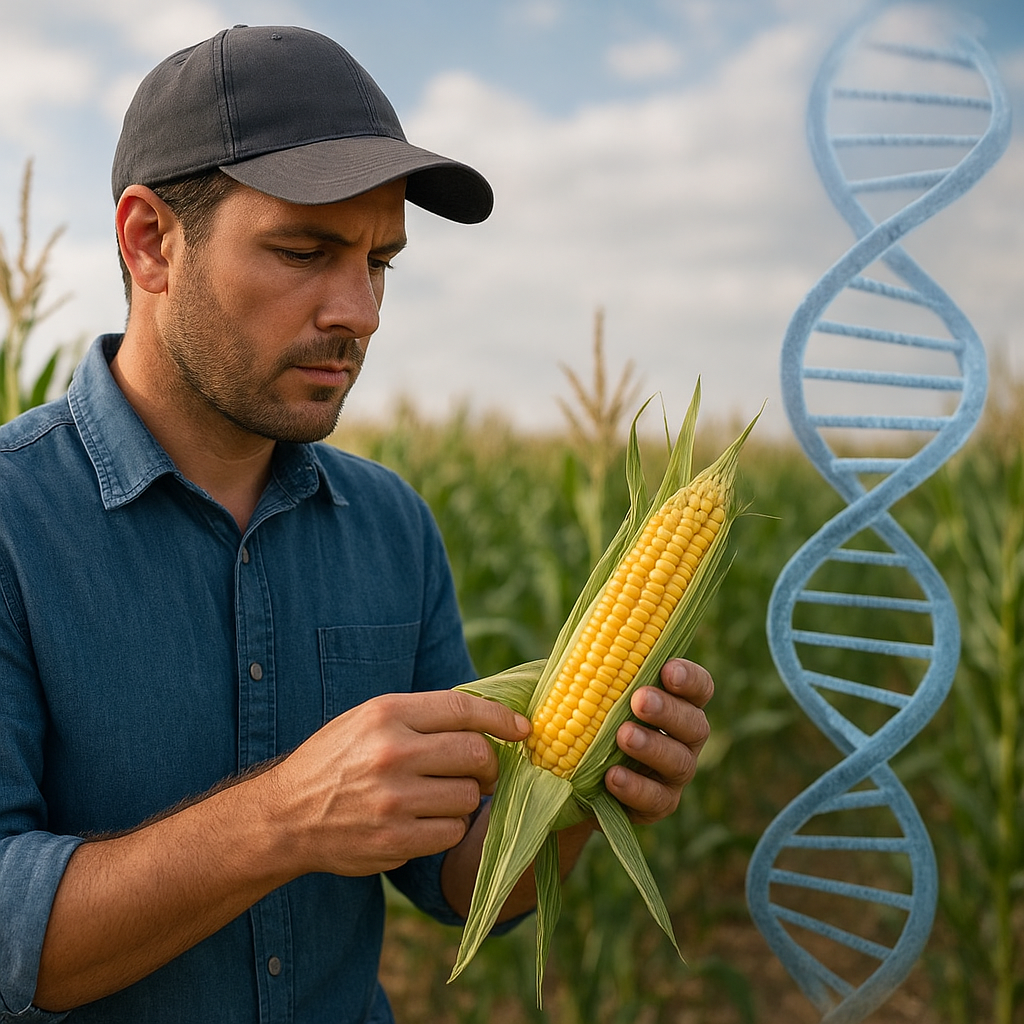
Advances in genomics have allowed scientists to map quantitative trait loci (QTLs) associated with these mechanisms in major crops such as maize, wheat, and rice.
Natural Variation and Wild Relatives
Wild relatives of cultivated species harbor a rich reservoir of drought-tolerance alleles. For example, wild wheat and teosinte (the ancestor of maize) possess genetic diversity lost during domestication. Through pre-breeding efforts, these alleles can be introgressed into elite lines, enhancing their stress tolerance without sacrificing productivity.
Modern Breeding Techniques and Gene Editing
Traditional breeding has improved drought resistance, but the process is laborious and time-consuming. New biotechnologies accelerate the development of robust varieties.
Marker-Assisted and Genomic Selection
Marker-assisted selection (MAS) uses molecular markers linked to drought-related QTLs to speed up breeding cycles. Genomic selection (GS) takes this further by predicting performance using genome-wide markers, reducing the need for extensive field trials and shortening the time to release new varieties.
CRISPR and Base Editing
Gene editing tools such as CRISPR-Cas9 enable precise modifications of target genes. Examples include:
- Knockout of negative regulators that limit root growth under stress.
- Promoter editing to upregulate protective genes without introducing foreign DNA.
- Base editing to convert single nucleotides, fine-tuning protein function related to water-use efficiency.
These approaches deliver non-transgenic products, potentially easing regulatory hurdles and public acceptance.
Transgenic Approaches
Transgenic strategies have demonstrated success in conferring drought tolerance. Genes such as DREB (Dehydration Responsive Element Binding) and NHX (sodium/proton antiporter) have been overexpressed to improve osmotic adjustment and ion homeostasis, resulting in enhanced survival under drought stress.
Field Applications and Environmental Impacts
Moving from the lab to the field requires careful evaluation of agronomic performance, ecosystem interactions, and socio-economic factors.
On-Farm Performance Trials
Multi-location trials assess new varieties across diverse agro-ecological zones. Key metrics include:
- Yield stability under rainfed versus irrigated conditions.
- Water-use efficiency measured as biomass or grain yield per unit of water consumed.
- Disease and pest resistance conferred indirectly by improved plant vigor.
Data from these trials guide breeding decisions and support regulatory dossiers for variety approval.
Environmental Benefits and Risks
Enhanced drought resistance can reduce the need for irrigation, conserving water resources and lowering energy inputs. However, widespread adoption must consider:
- Potential impacts on soil microbial communities due to altered root exudates.
- Gene flow to wild relatives and non-target species.
- Socio-economic equity, ensuring smallholder farmers have access to improved varieties.
Future Directions in Sustainable Agriculture
To meet global food demands in a warming world, integrated strategies are essential. Genetic innovations must be coupled with improved agronomic practices and policy support.
Systems Biology and Digital Agriculture
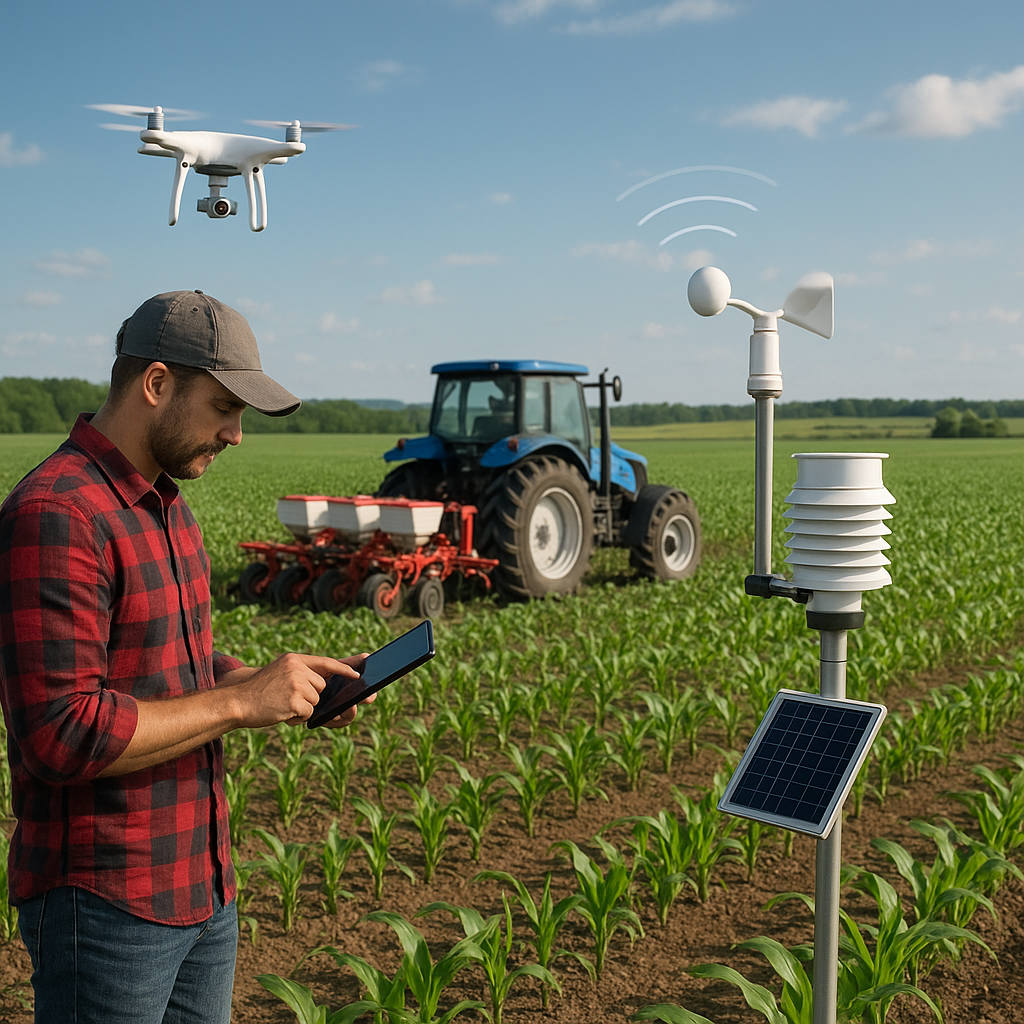
Combining omics data (genomics, transcriptomics, proteomics) with machine learning models enables predictive breeding. Digital tools, such as remote sensing and precision irrigation, optimize resource use in real time, complementing genetic gains.
Participatory Breeding and Capacity Building
Engaging farmers in the breeding process ensures that new varieties address local preferences and challenges. Training programs in biotechnology and data analysis can empower regional breeding programs, fostering innovation across diverse agricultural systems.
Policy and Regulatory Frameworks
Adaptive regulations that balance safety with innovation are vital. Harmonized policies on gene-edited crops can accelerate global adoption, while intellectual property models should encourage public–private partnerships and open-access breeding platforms.
Conclusion of these insights suggests that the fusion of advanced genetic tools, sustainable agronomy, and inclusive governance will drive the next green revolution, securing food production under increasingly unpredictable climate conditions.