Small-scale biogas systems present a transformative opportunity for farms seeking energy self-sufficiency and lower operating costs. By harnessing the power of anaerobic digestion, farmers can convert agricultural residues and organic waste into valuable methane-rich gas and nutrient-dense byproducts. This article explores the critical aspects of implementing, operating, and benefiting from on-farm digesters, emphasizing practical guidance, economic analysis, and environmental impacts.
Design and Installation of Biogas Digesters
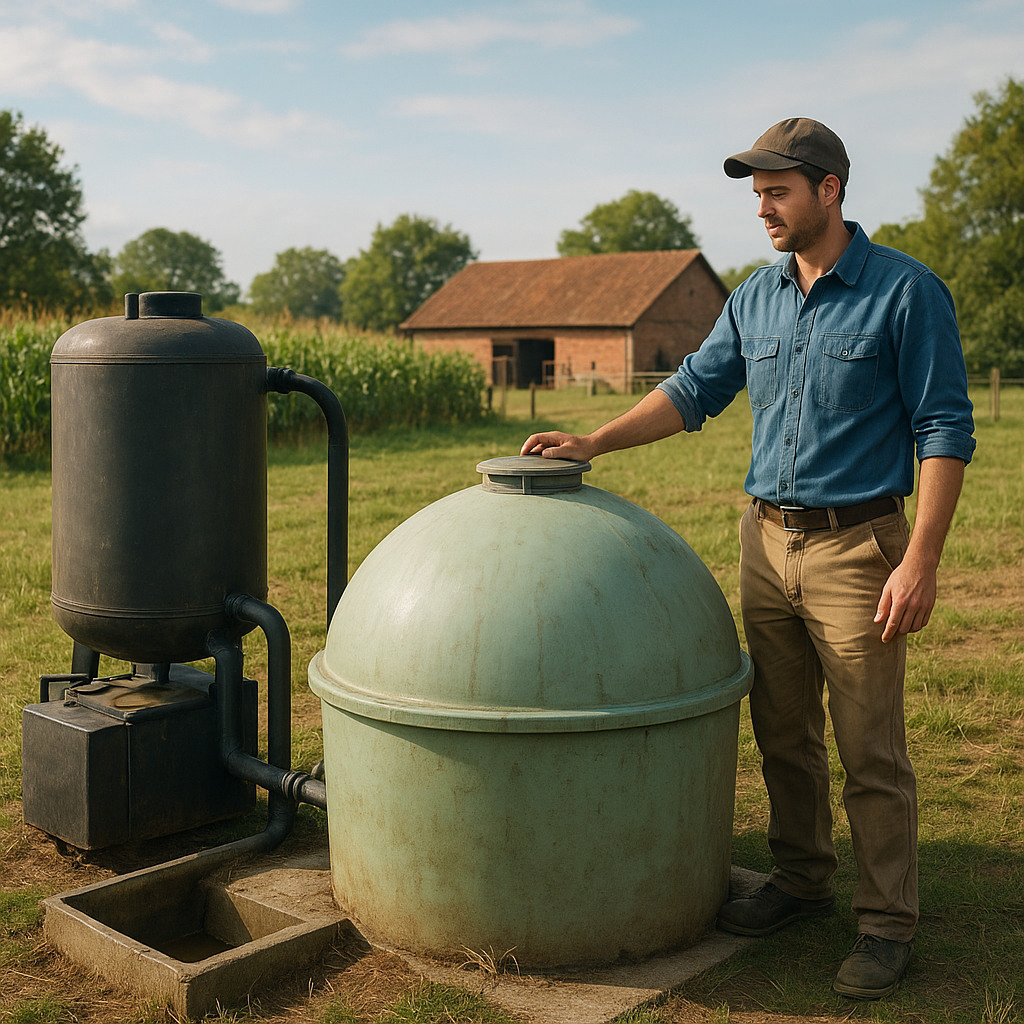
Selecting the right digester design is essential to ensure reliable biogas production and long-term performance. Small-scale farms typically choose between continuous stirred tank reactors, plug-flow systems, or fixed-dome digesters. Factors such as climate, available feedstock, farm layout, and budget influence this decision.
Site Assessment and Sizing
- Evaluate daily feedstock volume: manure, crop residues, food waste.
- Assess local temperature ranges to determine insulation or heating needs.
- Estimate required digester volume based on retention time (typically 20–30 days).
- Consider proximity to utilities and storage facilities for digestate.
Key Components and Materials
- Digester tank: concrete, steel, or high-density polyethylene.
- Inlet and outlet piping: corrosion-resistant materials.
- Gas storage: flexible balloons or fixed gas holders.
- Safety valves and pressure gauges for sustainability and risk mitigation.
Proper sealing and airtight construction are paramount to prevent gas leaks and maintain optimal pressure. Working with experienced engineers or specialized contractors can minimize installation errors and maximize system lifespan.
Operational Management and Feedstock Optimization
Once the digester is installed, regular management ensures peak methane yields and process stability. Effective operation hinges on controlling temperature, pH, and feedstock composition.
Feedstock Preparation
- Pre-treat lignocellulosic materials (straw, corn stalks) with mechanical shredding or steam explosion.
- Maintain a balanced carbon-to-nitrogen (C/N) ratio around 20–30:1 by co-digesting manure with crop residues or organic byproducts.
- Remove contaminants like plastics, metals, and stones to prevent equipment damage.
Monitoring Critical Parameters
- Temperature: maintain mesophilic range (35–40°C) or thermophilic (50–55°C) for faster digestion.
- pH: keep between 6.8 and 7.4; excessive acidification can inhibit microbes.
- Volatile fatty acids (VFAs): analyze periodically to prevent process upset.
- Daily gas volume and quality: track methane content and total biogas production.
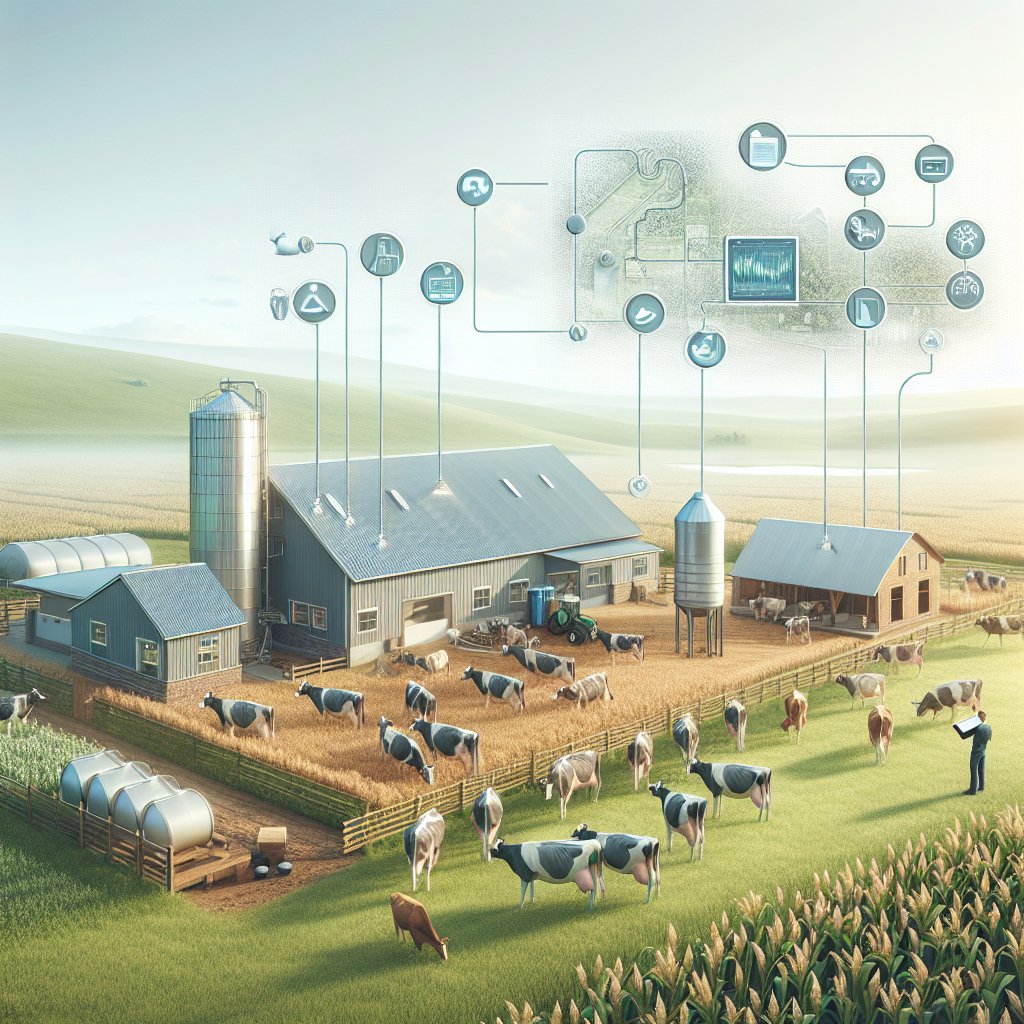
Automated sensors and remote monitoring systems can streamline data collection, allowing farmers to adjust feeding rates or heating inputs swiftly. Training farm staff in basic digester troubleshooting reduces downtime and maintains a renewable energy supply.
Utilization of Biogas and Digestate
Biogas offers versatile applications on the farm, from electricity generation to direct heating. Simultaneously, the nutrient-rich digestate serves as an organic fertilizer and soil conditioner.
Energy Conversion Pathways
- Combined heat and power (CHP) units: convert biogas into electricity and recover waste heat for greenhouse warming or slurry heating.
- Upgrading to biomethane: remove CO₂, H₂S, and water vapor to produce pipeline-quality gas or vehicle fuel.
- Direct combustion: use unprocessed biogas in boilers for space or water heating.
Digestate Management
- Solid-liquid separation: produce a fiber-rich fraction for bedding and a liquid fraction for field application.
- Pathogen reduction: ensure proper retention time and temperature to sanitize the output.
- Nutrient analysis: test content of nitrogen, phosphorus, and potassium to inform application rates.
Applying digestate to fields recycles fertilizer value, reduces synthetic input costs, and minimizes nutrient runoff. Farmers should follow local regulations on spreading rates and buffer zones to protect water resources.
Economic Considerations and Financial Incentives
Initial capital investment for small-scale biogas systems can be substantial. However, long-term savings and diversified revenue streams often justify the cost.
Cost Components
- Digester construction and materials.
- Heating and insulation systems.
- Gas handling and storage infrastructure.
- CHP unit or upgrading equipment for biomethane.
Revenue and Savings Streams
- Electricity export to the grid via feed-in tariffs or net metering.
- On-site heat utilization reducing fossil fuel purchases.
- Sale of upgraded biomethane to local distributors.
- Organic fertilizer value from digestate, potentially qualifying for environmental incentive payments.
Many regions offer grants, low-interest loans, or tax credits for renewable energy installations. Engaging agricultural extension services and energy agencies can reveal grant programs or carbon credit opportunities, improving project independence from external energy suppliers.
Environmental and Sustainability Impacts
Small-scale biogas systems align with sustainable agriculture goals by reducing greenhouse gas emissions, improving nutrient cycling, and lowering dependency on fossil fuels.
Emission Reductions
- Capture of methane that would otherwise be released from manure lagoons.
- Displacement of grid electricity generated from coal or natural gas.
- Lower nitrous oxide (N₂O) emissions from fields compared to raw manure application.
Resource Efficiency
- Closed-loop nutrient management through digestate application.
- Water recycling by capturing process condensate for cleaning or irrigation.
- Integration with agroforestry or greenhouse operations to utilize waste heat.
Implementing a biogas system demonstrates a commitment to sustainability and can enhance farm branding, opening markets for eco-labeled produce.
Case Studies and Best Practices
Real-world examples illustrate how diverse farm operations successfully integrate biogas technology.
Small Dairy Farm in Northern Europe
- Installed a 100 m³ fixed-dome digester to process cow manure and bedding straw.
- Operates a 20 kW CHP unit supplying electricity to the farm and nearby homes.
- Annual savings on heating oil exceed 30 000 EUR.
Mixed Crop-Livestock Operation in Southeast Asia
- Plug-flow reactor processes pig manure and local fruit waste.
- Gas used to power grain dryers, reducing post-harvest losses.
- Digestate applied to rice paddies, increasing yields by 15%.
Urban Peri-Farm Resource Hub
- Community-supported agriculture model collects food scraps from nearby neighborhoods.
- Produces compressed biomethane for fleet vehicles and public transport.
- Residues composted alongside digestate to create premium potting mixes.
Key lessons include the importance of flexible feedstock sourcing, robust operator training, and collaboration with local stakeholders for waste collection and energy distribution.
Future Trends and Innovations
Advancements in digester technology, microbial engineering, and system integration continue to enhance small-scale biogas viability.
- Bioaugmentation with specialized microbial consortia to increase biogas yields.
- Sensors utilizing Internet of Things (IoT) platforms for real-time process optimization.
- Modular digester units enabling easy scalability and relocation.
- Hybrid systems combining anaerobic digestion with solar thermal for stable energy profiles year-round.
As research and policy frameworks evolve, smallholder farmers and agribusinesses can leverage these innovations to bolster farm resilience and contribute to a low-carbon agricultural sector.