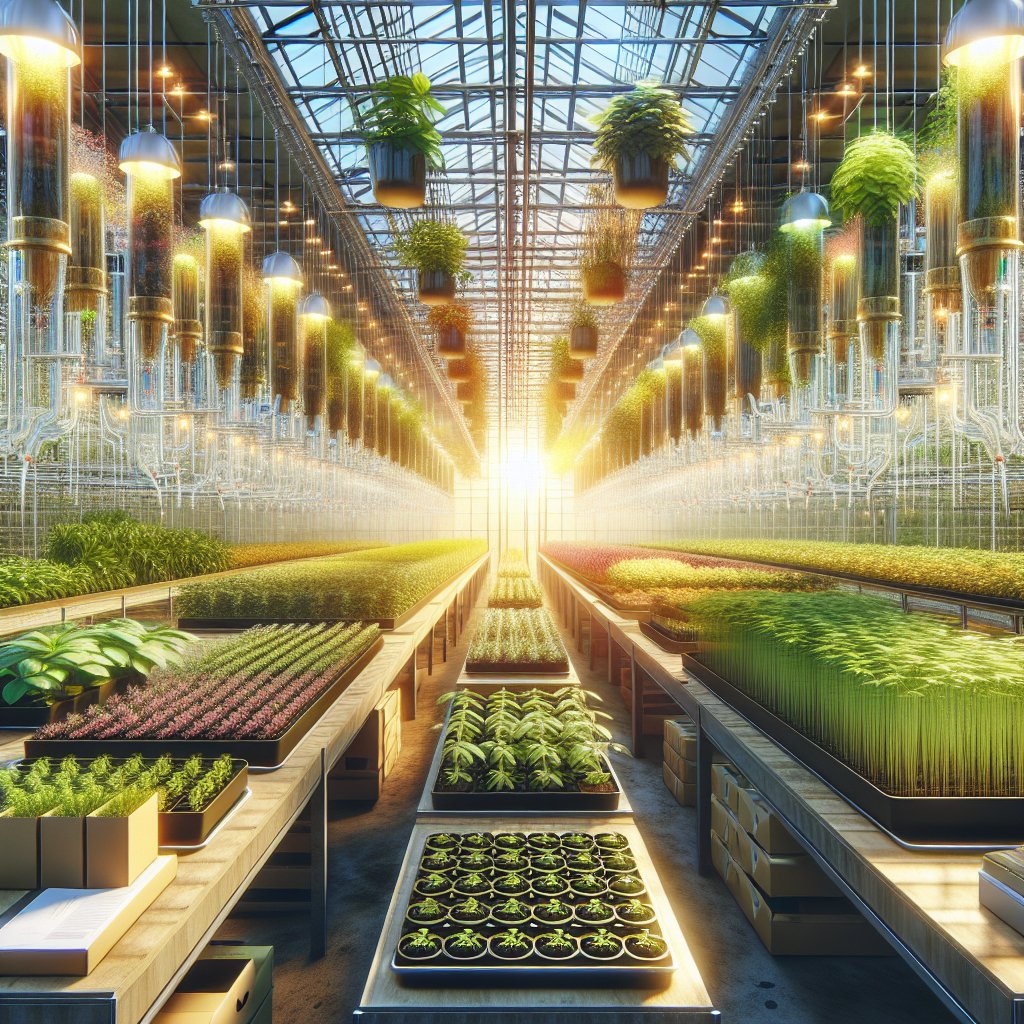
Greenhouse heating solutions remain critical for growers seeking to maintain optimal temperatures and extend growing seasons. Embracing sustainability and adopting renewable approaches reduce operational costs and carbon footprints. This article explores innovative methods that integrate efficiency with environmental stewardship across agricultural contexts.
Renewable Energy Sources for Greenhouses
Solar Thermal Systems
Harnessing the sun’s energy through solar thermal collectors offers a direct way to heat greenhouse air and water. Flat-plate and evacuated-tube collectors can be installed on south-facing roofs or adjacent land. Collected heat is transferred to water-filled pipes or thermal tanks, where it is stored until night or cloudy days. Integration with a radiant floor network delivers consistent temperatures at plant level, reducing heat loss. Seasonal performance can be enhanced by combining solar collectors with backup systems, ensuring uninterrupted operation during prolonged overcast periods.
Geothermal Heat Pumps
Geothermal heat pumps tap into the stable temperatures found beneath the Earth’s surface. Ground-source loops circulate a refrigerant or water-glycol mixture through buried pipes, absorbing heat in winter and dissipating it in summer. The system then uses a heat exchanger and compressor to elevate temperatures to greenhouse requirements. Though upfront costs are higher, life-cycle analyses demonstrate significant savings in energy consumption. Geothermal installations also benefit from low maintenance and a lifespan exceeding two decades, making them a compelling long-term investment.
Biomass Heating
Burning agricultural residues, wood chips or dedicated energy crops in a biomass boiler can generate high-temperature hot water or steam for greenhouse distribution. Modern biomass boilers employ automated feed systems and advanced combustion controls to minimize emissions and maximize heat output. Ash byproducts may be used as soil amendments, closing nutrient cycles on the farm. Co-firing with renewable pellets further optimizes efficiency and ensures compliance with air quality regulations in sensitive regions.
Passive Heating and Thermal Energy Storage
Insulation and Thermal Mass
Effective insulation reduces heat loss through walls and glazing. Double or triple-layer polyethylene films with infrared-reflective coatings trap long-wave radiation, while insulated sidewalls and foundations prevent downward heat escape. Incorporating thermal mass—such as water barrels, stone beds or concrete floors—absorbs excess heat during the day and releases it at night. Positioning thermal mass near growing benches concentrates warmth within the plant zone and smooths temperature fluctuations, reducing HVAC cycling and energy waste.
Phase Change Materials
Phase change materials (PCMs) store latent heat by melting and solidifying at specific temperatures. Encapsulated PCMs can be embedded in walls, ceilings or floor panels of a greenhouse. During peak heating, the PCM melts and absorbs energy; when temperatures drop, it solidifies and releases stored heat back into the space. This process enhances thermal mass without the weight and space demands of water or concrete. Tailoring PCM melting points to crop-specific temperature ranges further optimizes microclimate control.
Smart Climate Control and Energy Efficiency
Automated Ventilation and Shading
Advanced ventilation systems equipped with variable-speed fans, roof vents, and sidewall openings respond to real-time data from smart sensors. These systems adjust air exchange rates to maintain humidity and temperature within narrow bands, minimizing energy input for heating or cooling. Automated shading screens reflect excess solar gain during summer and provide an extra insulating layer during winter nights. Integrating both ventilation and shading into a central control platform ensures coordinated responses, preventing overheating and reducing reliance on active heating.
Data-Driven Management Systems
Precision agriculture tools—ranging from IoT sensors to cloud-based analytics—enable growers to monitor internal and external climate variables. Data on temperature, relative humidity, soil moisture and CO₂ levels feed into algorithms that forecast heating demands. Growers can then schedule pre-heating or draw on stored energy when tariffs are lowest or renewable generation peaks. Such climate control platforms often include remote access, allowing instant adjustments and trend analysis for continuous improvement of environmental performance and crop yields.
Integrating Multi-Source Hybrid Systems
Combining Renewable Heat with Storage
Hybrid greenhouse designs merge multiple heating technologies to balance reliability and efficiency. For example, a solar thermal array can pre-heat water that then circulates through a geothermal heat pump to boost temperatures further. During periods of high demand, a biomass boiler can provide auxiliary heat, while thermal storage tanks smooth out supply and demand mismatches. This layered approach maximizes the utilization of renewable resources and minimizes dependency on fossil-based backup systems.
Control Logic for Optimal Performance
Implementing a hierarchical control strategy prioritizes heat sources based on cost, availability and environmental impact. The control unit continuously evaluates indoor setpoints, external weather forecasts and energy prices. When solar input is sufficient, heat is routed directly to growing beds or storage tanks. If geothermally pre-heated water falls below target, the heat pump activates. Biomass boilers remain on standby, firing up only during extended cold snaps. Such intelligent sequencing ensures operational resilience and maximizes return on investment.
Economic and Environmental Considerations
Cost–Benefit Analysis
Conducting a thorough financial assessment helps identify the most viable heating solution for a given greenhouse scale and crop type. Key metrics include installation costs, energy price forecasts, maintenance expenses and available subsidies for sustainability initiatives. Lifecycle cost models compare different scenarios, accounting for inflation, equipment degradation and potential carbon credits. Sensitivity analyses reveal break-even points and help growers secure financing or qualify for government grants supporting green” farm infrastructure.
Reducing Carbon Footprint
By transitioning to eco-friendly heating methods, greenhouse operators can significantly lower greenhouse gas emissions. Switching from fossil fuels to biomass or geothermal provokes an immediate drop in CO₂ output. Leveraging renewable power or on-site solar generation further offsets indirect emissions associated with electricity. Documenting emissions reductions supports participation in voluntary carbon markets and enhances brand reputation among increasingly eco-conscious consumers.