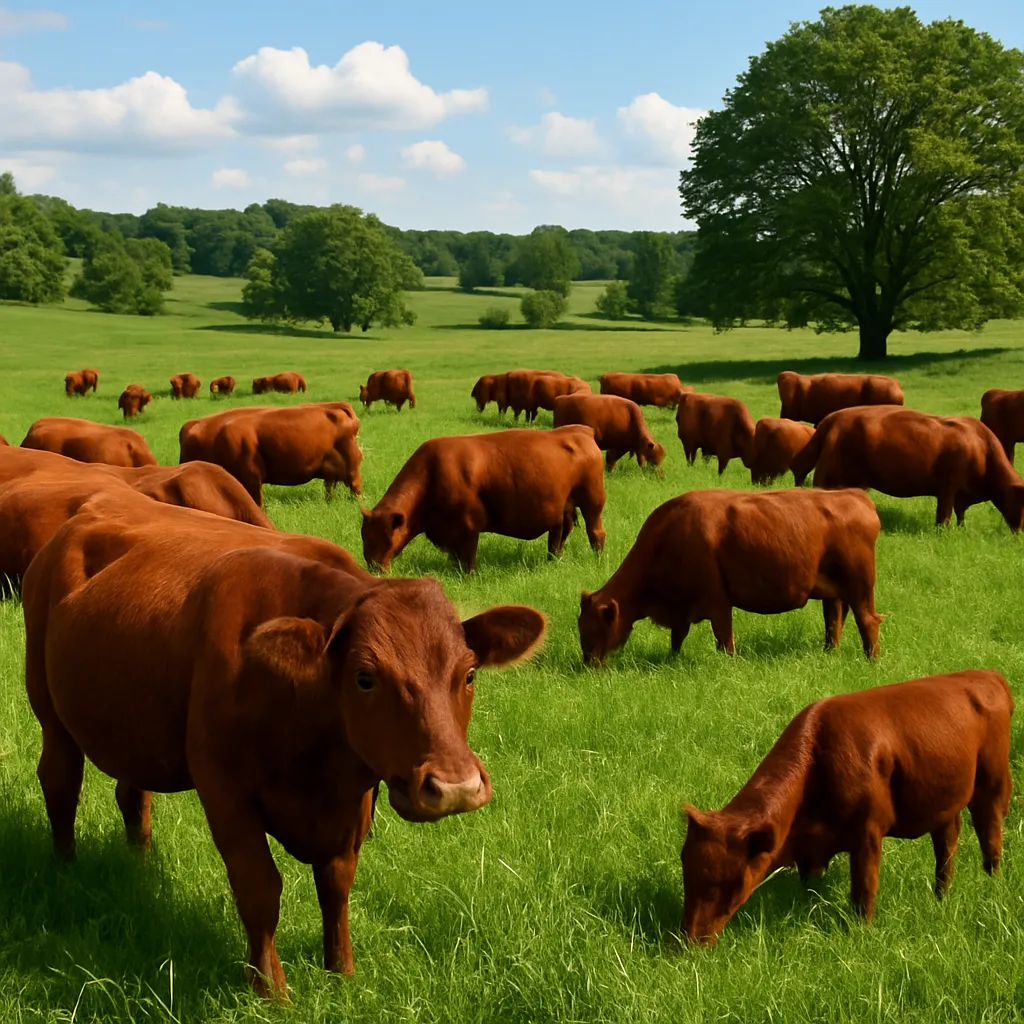
Grass-fed beef production represents a growing movement within modern agriculture that not only delivers high-quality meat but also contributes significant environmental benefits. Producers adopting this approach focus on integrating livestock with pasture ecosystems, enhancing soil health and promoting biodiversity. By leveraging well-managed grazing systems, farms can achieve carbon sequestration, improved water retention, and reduced reliance on synthetic inputs. This article explores key strategies, ecological impacts, and market dynamics shaping the grass-fed beef sector.
Benefits of Grass-Fed Beef for the Environment
Transitioning from conventional feedlot operations to pasture-based systems creates multiple ecological advantages. Well-executed grazing can mimic the natural movement of wild herbivores, stimulating plant growth and supporting a diverse community of soil organisms. Key environmental benefits include:
- Enhanced carbon sequestration through root biomass accumulation and microbial activity
- Improved water infiltration and retention, reducing erosion and runoff
- Increased biodiversity in both flora and fauna within pasture landscapes
- Minimized reliance on synthetic fertilizers and pesticides, lowering chemical runoff
- Reduction of greenhouse gas hotspots typically associated with confined animal feeding operations
By capitalizing on the synergies between livestock and perennial forages, farms can transform cattle from potential pollutants into agents of ecological restoration. Well-managed pastures store atmospheric carbon in soils, counteracting emissions from other agricultural activities.
Grazing Management Practices and Soil Restoration
Implementing strategic grazing protocols is fundamental to maintaining productive and resilient grasslands. Techniques such as rotational or mob grazing distribute grazing pressure, preventing overuse of specific paddocks and allowing rest periods for plant recovery. Critical components include:
- Forage diversity: Establishing mixed-species swards (grasses, legumes, herbs) promotes nutrient cycling and reduces invasive weeds.
- Adaptive stocking rates: Calibrating cattle numbers to pasture growth prevents overgrazing and soil compaction.
- Rest intervals: Allowing adequate recovery time maintains vigorous root systems and enhances soil health.
- Monitoring tools: Employing field measurements and remote sensing to track vegetation cover and soil moisture.
These practices encourage a robust soil food web. Earthworms, mycorrhizal fungi, and beneficial bacteria flourish under systems that avoid bare ground. The result is increased aggregate stability, better nutrient retention, and a lowered risk of erosion during heavy rainfall events.
Livestock Welfare and Regenerative Principles
Pasture-based production aligns with principles of animal welfare and regenerative agriculture. Animals are afforded freedom to express natural behaviors—grazing, roaming, and socializing. This environment leads to:
- Lower stress levels, reducing the need for antibiotics and growth promoters.
- Stronger immune systems among cattle, supported by diverse forage and outdoor access.
- Healthier meat profile, including higher levels of omega-3 fatty acids and antioxidants.
Regenerative frameworks emphasize continuous improvement of ecosystem functions. By integrating cover crops, buffer strips, and hedgerows, producers can enhance wildlife corridors, conserve water, and foster resilience against climatic extremes.
Carbon Footprint and Greenhouse Gas Mitigation
While all cattle emit methane, grass-fed operations can mitigate net emissions through robust carbon sequestration. Recent studies suggest that well-managed pastures capture significant amounts of CO₂, offsetting a portion of enteric methane. Important strategies include:
- Maintaining permanent pasture cover to prevent soil carbon losses.
- Incorporating deep-rooted forage species that store more carbon underground.
- Utilizing silvopasture systems, combining trees and grazing for enhanced carbon sinks.
Adopting these methods contributes to broader sustainability goals and may qualify producers for carbon credit programs. Such incentives reward farms that demonstrate measurable greenhouse gas reductions.
Economic Viability and Market Opportunities
The demand for grass-fed beef continues to rise, driven by consumer concerns for health, ethics, and environmental stewardship. Producers can capture premium prices by securing third-party certifications (e.g., organic, pasture-raised, regenerative). Key market considerations include:
- Transparent labeling and storytelling to connect consumers with farming practices.
- Direct-to-consumer channels such as farmers’ markets, CSAs, and online platforms.
- Partnerships with restaurants and retailers emphasizing local and sustainable sourcing.
- Value-added products like grass-fed sausages, jerky, and specialty cuts.
Government policies increasingly support pasture-based systems through grants, technical assistance, and conservation programs. By leveraging these resources, farms can invest in infrastructure—fencing, water systems, and processing facilities—while maintaining economic resilience.
Challenges and Future Directions
Despite clear advantages, grass-fed beef production faces obstacles. Climatic variability, land tenure issues, and market volatility can hinder widescale adoption. Key challenges include:
- Securing reliable forage supply during droughts or extreme weather.
- Managing predator risks and animal health on expansive pastures.
- Scaling up regenerative systems without compromising ecological integrity.
- Educating consumers about realistic production timelines (longer finishing periods than feedlots).
Research and extension services play a pivotal role in addressing these barriers. Innovations in forage breeding, precision grazing technologies, and integrated crop-livestock models offer promising pathways. Collaboration among scientists, policy makers, and producers will drive the next phase of sustainable livestock agriculture.