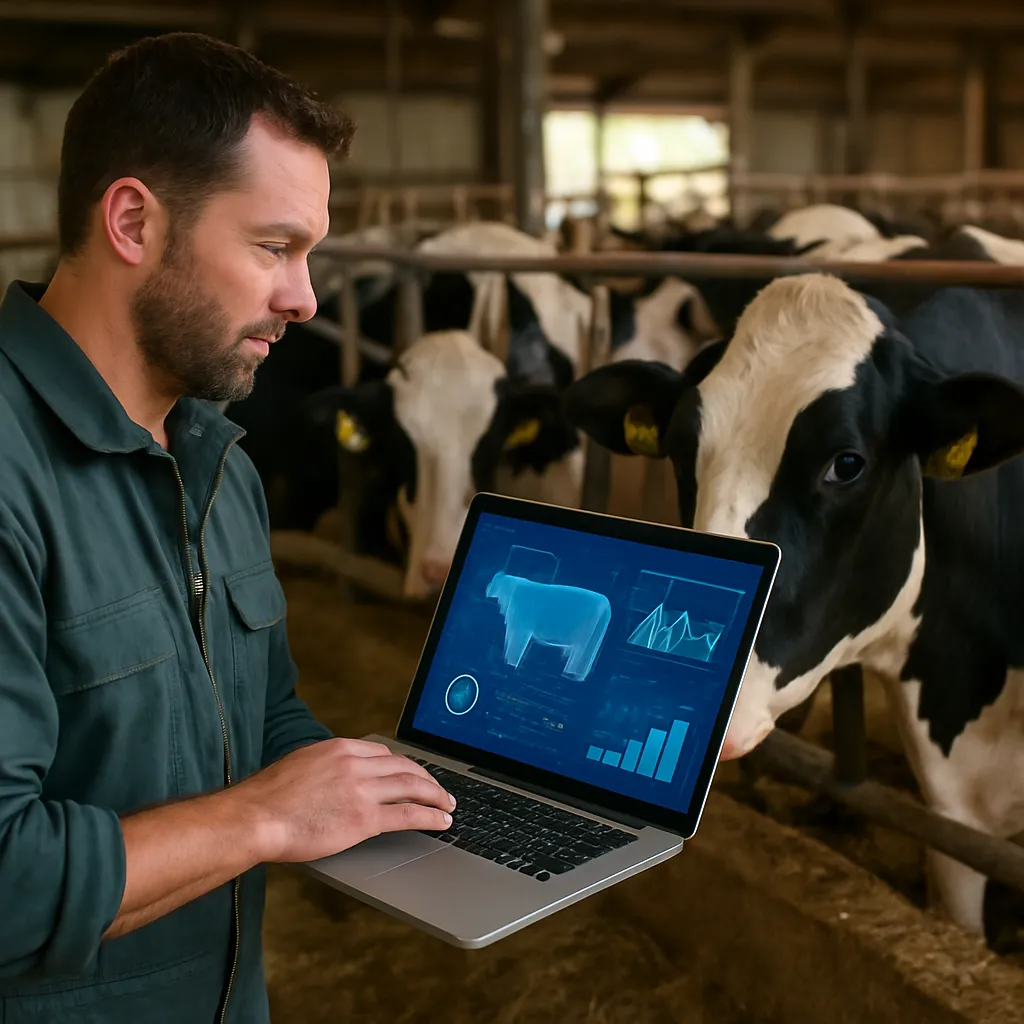
Mobile applications have become indispensable allies for modern agriculture, empowering farmers with tools that bring precision and rapidity to crop management. These innovative solutions harness the power of smartphones and advanced algorithms to simplify the complex task of identifying plant ailments, enabling cultivators to act swiftly and protect yields. With widespread connectivity even in remote areas, these apps are fostering a new era of sustainability and efficiency in the field.
Enhancing Plant Disease Detection via Mobile Technology
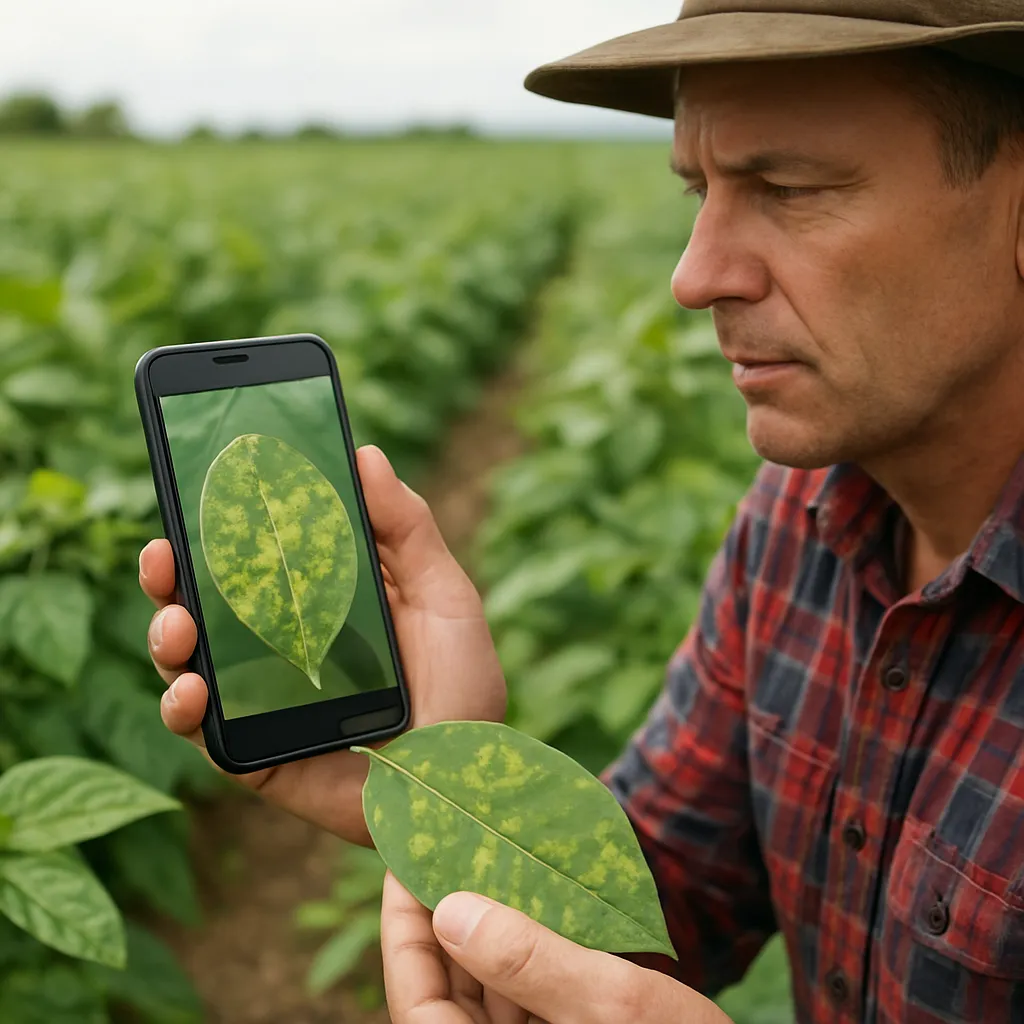
The advent of digital imaging and machine learning has revolutionized how diseases are diagnosed on the farm. High-resolution cameras available in most handheld devices capture detailed visuals of leaves, stems and fruits. Once uploaded, these images are processed through artificial intelligence engines trained on vast datasets representing various pathogens, nutrient deficiencies and environmental stresses. Within seconds, the system highlights symptoms such as spotting, chlorosis or wilting, and suggests probable causes.
Such rapid feedback reduces reliance on time-consuming laboratory tests and expert visits. Farmers gain near-instant access to a wealth of data that, in the past, would require days or weeks to analyze. This shift not only minimizes crop loss due to untreated infections but also optimizes resource utilization. Armed with accurate diagnostics, cultivators tailor pesticide and fertilizer applications, promoting both financial savings and ecological balance.
Solutions often integrate geolocation services, enabling the creation of real-time disease maps. By aggregating anonymized reports from multiple users, agricultural authorities and cooperatives can detect outbreak patterns and direct support to hotspots. This collective intelligence approach exemplifies how connectivity fosters community-driven surveillance, elevating disease control from individual fields to entire regions.
Key Features in Mobile Diagnostics Tools
- Image Recognition: Core functionality that compares farmer-uploaded photos against a library of annotated samples, ensuring accurate matching of disease signatures.
- Symptom Library: In-depth graphical and textual guides detailing signs of fungal, bacterial and viral infections, along with abiotic stresses like drought or nutrient lack.
- Offline Capability: Critical for areas with poor internet coverage; apps download essential datasets so diagnostics can proceed without constant connectivity.
- Customized Alerts: Push notifications warn users of emerging threats based on local weather forecasts, humidity levels and regional outbreak reports.
- Interactive Decision Trees: Step-by-step questionnaires lead farmers through observation-based checks, refining the diagnosis for ambiguous cases.
- Integration with Drone Imaging: Some platforms ingest aerial photos to assess large-scale patterns of infection, offering a bird’s-eye view that ground images alone cannot provide.
- Yield Forecast Modules: Predictive analytics estimate potential loss if an infection progresses untreated, assigning economic values to prompt timely intervention.
- Social Features: Enabling users to share cases with agronomists or fellow growers for community-driven advice and second opinions.
By combining these functionalities, mobile apps transform a simple device into a multifaceted diagnostic workstation, delivering high-end capabilities once reserved for laboratory environments.
Overcoming Barriers in Field Application
Despite remarkable progress, several obstacles challenge the effectiveness of mobile disease diagnosis platforms. Image quality is paramount; poorly illuminated or out-of-focus photos can lead to misclassification. Developers are addressing this issue by embedding real-time guidance within the camera interface, prompting users to adjust angles, lighting or focus before capturing. Some apps automatically detect suboptimal frames and request retakes, ensuring the highest possible data fidelity.
Another issue involves the diversity of crop varieties and regional pathogens. An algorithm trained extensively on one continent’s citrus species may falter when applied to a different cultivar elsewhere. To mitigate this, adaptive learning frameworks allow localized data to be incorporated continually, refining diagnostic models based on farmer feedback. Collaboration with agricultural research centers and local extension services ensures these models remain up-to-date and regionally relevant.
Data privacy and trust also require careful handling. Farmers need assurance that sensitive information—such as precise field locations or yield estimates—will not be misused. Transparent privacy policies and options for anonymous reporting help build confidence. Additionally, open platforms that permit third-party audits of algorithm performance bolster credibility and encourage widespread adoption.
Future Prospects for Precision Agriculture and Mobile Innovation
Looking ahead, the fusion of mobile apps with emerging technologies promises further transformation of the agricultural landscape. Integration with Internet of Things (IoT) sensors will allow soil moisture, pH and nutrient levels to feed directly into diagnostic systems, providing a holistic view of plant health. Combined with weather stations and satellite imagery, these networks will offer predictive insights, warning farmers of disease risk days before symptoms manifest.
Advances in deep learning models will also enhance the granularity of analysis, distinguishing between strains of pathogens and even detecting early-stage infections invisible to the naked eye. As augmented reality features become mainstream, on-screen overlays can guide field technicians through targeted sampling procedures or show real-time epidemiological maps as they move across plots.
Ultimately, these innovations aim to optimize resource allocation, reduce chemical inputs and safeguard food security for a growing global population. By democratizing access to sophisticated diagnostic tools, mobile applications are empowering smallholders and large estates alike to practice precision agriculture, elevating productivity while protecting the environment. As adoption widens and technology evolves, the dream of a truly smart farm—where every decision is data-driven and every disease outbreak swiftly contained—moves closer to reality.