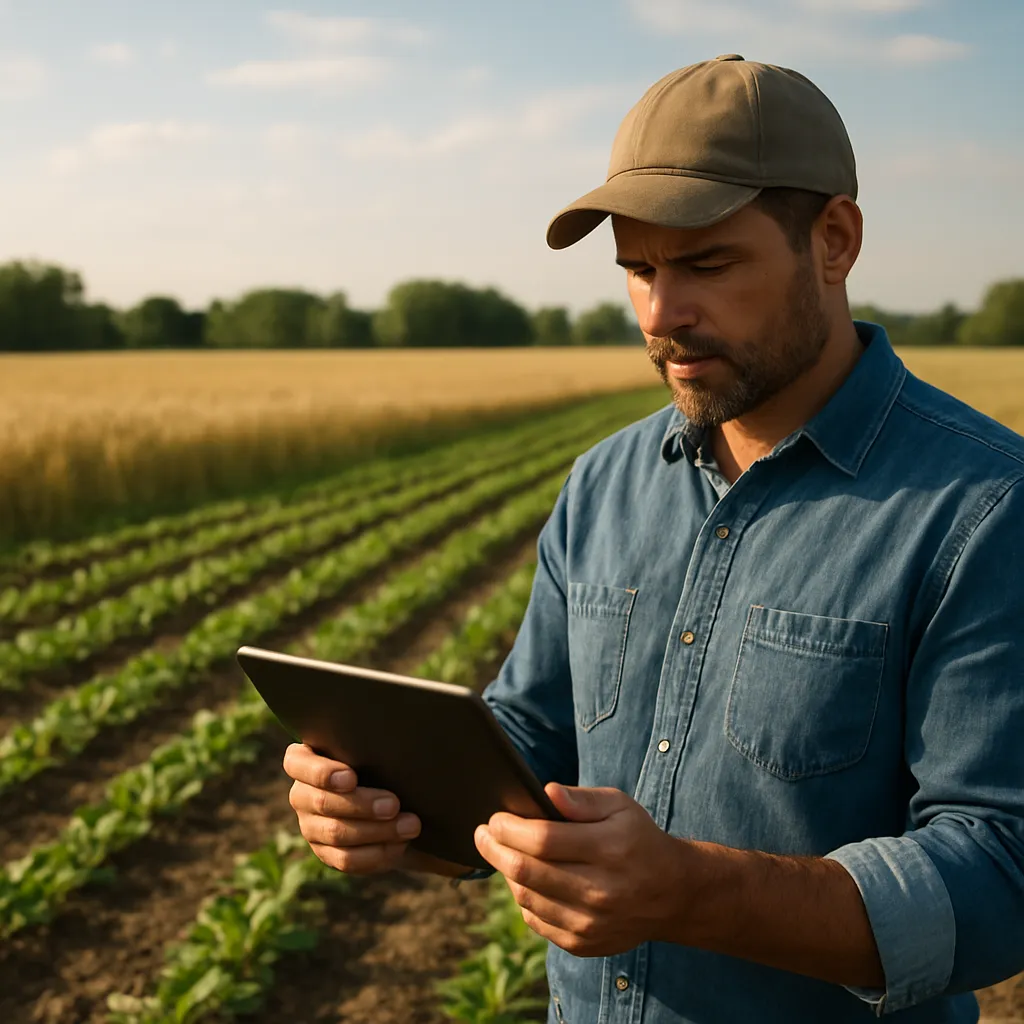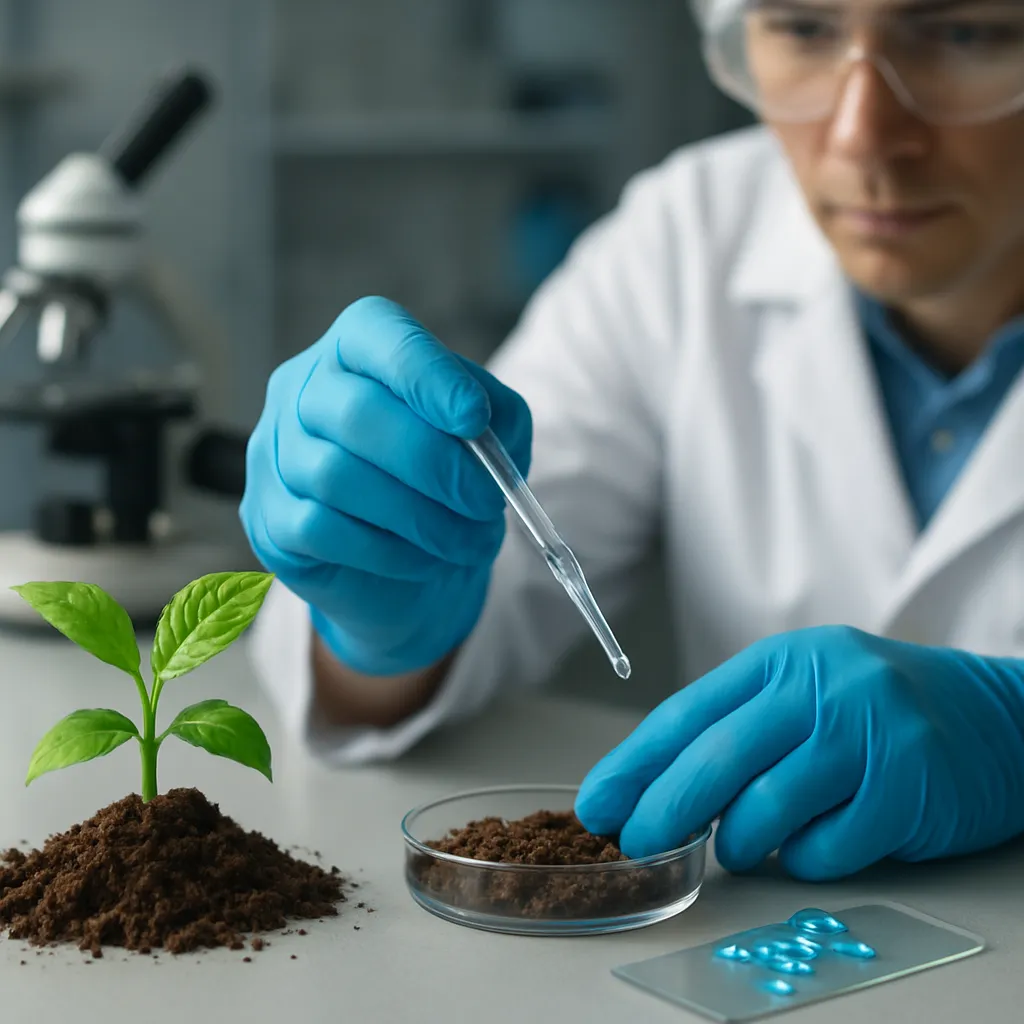
The integration of nanotechnology into modern farming practices represents a major leap forward in how soil health is monitored and managed. Advanced nano-sized sensors and diagnostic tools are transforming traditional soil analysis methods, enabling farmers to make faster, more accurate decisions. This article explores the principles, benefits, challenges, and future directions of cutting-edge soil testing using nanotechnology within the context of contemporary agriculture.
Principles of Nano-Enhanced Soil Diagnostics
At the heart of nano-enhanced soil diagnostics lie devices crafted at the scale of one to one hundred nanometers. These ultra-small tools interact directly with soil particles, offering unparalleled sensitivity. By harnessing the unique physical and chemical properties of materials at the nanoscale, scientists have devised systems capable of real-time measurement of vital soil parameters.
Nano-Sensors and Signal Transduction
Nano-sensors act as the frontline in data capture. They convert minute chemical or biological changes within the soil into measurable electrical signals. Key features include:
- Sensitivity: Ability to detect trace levels of nutrients or contaminants.
- Selectivity: Differentiation between similar compounds, such as various nitrogen forms.
- Speed: Instantaneous or near-instantaneous feedback compared to lab-bound tests.
Targeting Nutrients and Pathogens
One of the greatest challenges in soil management is identifying deficiencies or toxic accumulations early. Nano-platforms have been engineered to bind specific ions like nitrate, phosphate, and potassium, as well as to sense harmful pathogens such as fungal spores or bacterial toxins. Functionalized nanoparticles carry receptors that latch onto target molecules, producing a detectable change in fluorescence or electrical conductivity.
Benefits for Crop Management and Yield Optimization
Adoption of nanotechnology-driven soil testing brings multiple advantages over conventional approaches. Farmers can optimize input usage, reduce waste, and ultimately achieve higher productivity with fewer environmental repercussions.
Precise Nutrient Management
By continuously monitoring levels of major and micronutrients, growers can apply fertilizers only where and when they are truly needed. This precision approach minimizes runoff and leaching, preserving water quality and saving on input costs. The ability to track nutrient dynamics throughout a growing season ensures that plants maintain optimal health from germination to harvest.
Early Pathogen Detection
Traditional disease scouting often relies on visual symptoms, which appear only after infections have advanced. Nano-based detection systems identify microbial signatures or toxin fragments long before wilting or lesions emerge. Swift intervention can then prevent outbreaks from decimating yields.
- Reduced chemical spray frequency
- Lower risk of resistance development in pests
- Improved food safety and quality
Implementation Challenges and Considerations
While the promise of innovation is vast, practical deployment of nanotechnology in soil science faces several hurdles. Regulatory, economic, and technical factors must be addressed to ensure widespread adoption.
Regulatory and Safety Concerns
Nanomaterials introduce uncertainties related to their fate in the environment. Agencies need clear guidelines on permissible types, concentrations, and disposal methods. Assessments of nanoparticle persistence, potential toxicity to non-target organisms, and long-term soil health impacts are critical before large-scale rollout.
Cost and Scalability
Miniaturized sensors and sophisticated fabrication techniques can be expensive. Achieving cost-effective mass production is essential for smallholder farmers to access these advanced tools. Collaborative efforts between research institutions and industry partners can drive down costs through economies of scale.
Data Management and Interpretation
Continuous soil monitoring generates vast datasets. Implementing robust algorithms and user-friendly interfaces is necessary to convert raw readings into actionable recommendations. Integration with farm management software and automation platforms enhances decision-making, but requires investment in digital infrastructure and training.
Future Prospects and Emerging Trends
As nanotechnology matures, its intersection with other cutting-edge fields will define the next generation of sustainable farming solutions. Anticipated developments include:
- Smart Delivery Systems: Nanocarriers that release fertilizers or pesticides in response to specific triggers such as changes in pH or moisture.
- Bio-Nano Hybrids: Combining living microorganisms with engineered nanoparticles to create self-sustaining soil amendments that boost nutrient cycling.
- Wireless Nanosensor Networks: Distributed arrays of sensors communicating in real-time to central hubs via low-power wireless protocols, enabling precision mapping of entire fields.
- Edge AI Integration: Localized data processing at the sensor node, reducing the need to transmit large volumes of raw data and providing immediate alerts to on-site personnel.
Continued interdisciplinary collaboration among soil scientists, nanotechnologists, agronomists, and data engineers will drive these advancements from laboratory prototypes to field-ready solutions. By embracing nanoscale diagnostics, the agricultural sector stands to revolutionize its approach to resource efficiency, productivity, and ecological stewardship.