The agricultural sector is witnessing a profound transformation through the integration of advanced technologies that optimize resource use, reduce waste, and enhance overall crop performance. Automated Nutrient Delivery Systems represent a pivotal innovation, enabling growers to precisely manage the distribution of essential elements to plants. By combining real-time data acquisition with intelligent control mechanisms, these solutions address the challenges of modern farming, from diminishing water supplies to escalating demand for high-quality produce. This article explores the underlying concepts, technological building blocks, practical implementation strategies, and future trajectories of nutrient automation in agriculture.
Understanding Automated Nutrient Delivery Systems
An Automated Nutrient Delivery System (ANDS) refers to a suite of tools designed to measure, regulate, and dispense key elements—such as nitrogen, phosphorus, and potassium—directly to crops according to their growth requirements. Traditional fertilization often relies on fixed schedules or manual estimations, which can lead to overapplication, leaching, and environmental degradation. By contrast, an automated approach leverages sensors and algorithms to continuously assess plant needs, ensuring that the right concentration of fertilizers is provided at the optimal time.
Key Advantages
- Enhanced efficiency by minimizing nutrient losses through leaching or volatilization
- Reduced operational costs through targeted input application
- Positive impact on the environment by curbing excessive chemical runoff
- Consistent crop quality and higher market value
Relevance to Sustainable Agriculture
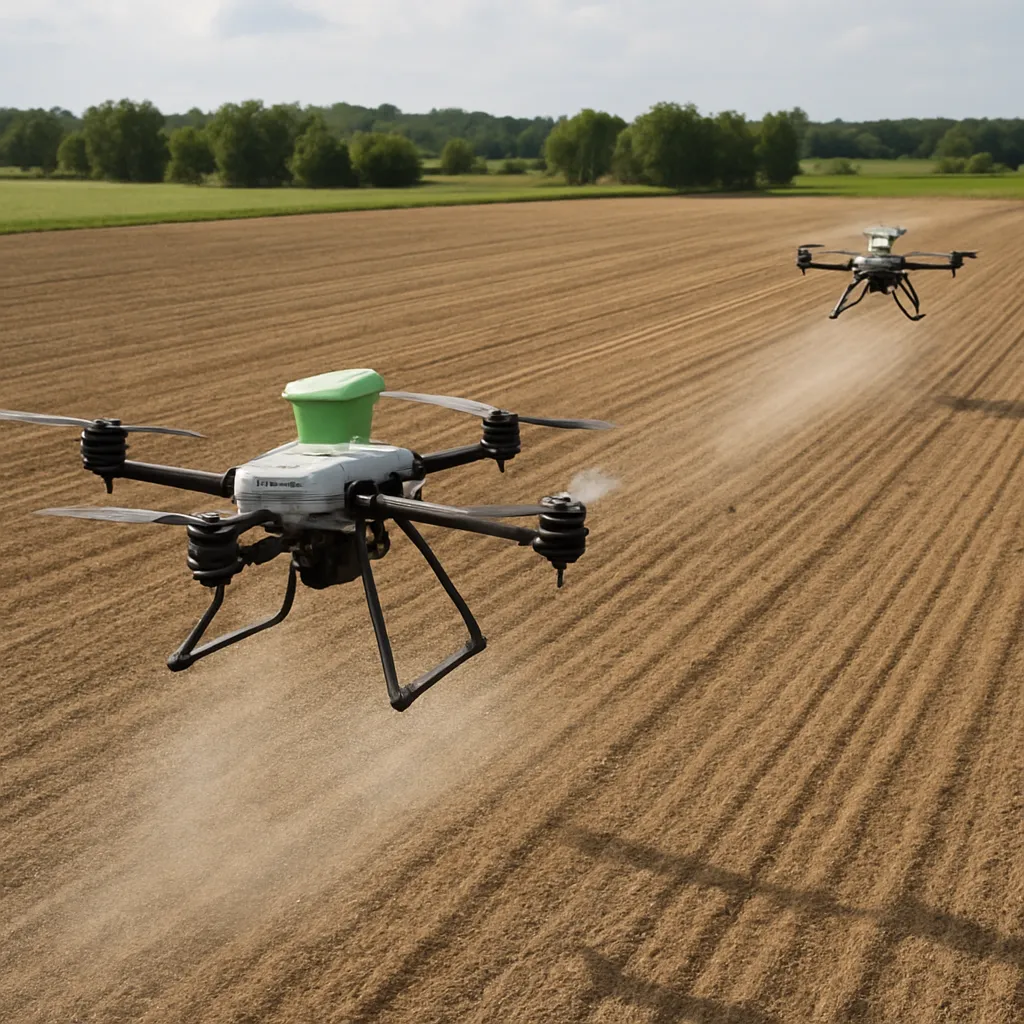
With mounting concerns over diminishing arable land and freshwater shortages, sustainable practices are no longer optional. Automated nutrient delivery aligns with the principles of conservation agriculture by optimizing water and nutrient cycles. When integrated with other precision farming tools, such as variable-rate irrigation and drone-based canopy monitoring, these systems become a cornerstone for building resilient food production networks that can adapt to climate variability.
Core Components and Technologies
At the heart of any automated fertilization system lies a combination of hardware and software elements working in concert. Understanding these components is crucial for evaluating performance and customizing solutions to specific operational contexts.
Sensor Networks and Data Acquisition
- sensors for soil moisture and electrical conductivity, providing insights into water retention and salinity
- Optical and multispectral probes for assessing plant health and chlorophyll concentration
- pH and nutrient-specific electrodes that detect real-time levels of macronutrients and micronutrients
- Weather stations measuring temperature, humidity, and solar radiation to anticipate crop evapotranspiration
Control Units and Software Algorithms
Once data is gathered, it flows into a central processing unit running specialized software. Machine learning models analyze patterns in nutrient uptake, factoring in environmental conditions and historical performance metrics. Based on these analyses, control systems adjust dosing pumps and valves to deliver precise nutrient volumes. Modern platforms offer cloud-based dashboards, allowing agronomists and farmers to monitor system status and tweak parameters remotely via smartphones or tablets.
Delivery Mechanisms
Efficient distribution of fertilizers depends on robust hardware:
- Automated metering pumps that achieve accurate flow rates down to milliliter precision
- Drip irrigation lines equipped with inline injectors for fertigation, ensuring uniform dispersion
- Splash plate or sprayer attachments for foliar applications, suitable for certain high-value crops
- Buffer tanks and mixing chambers where liquid concentrates are blended before release
Implementation in Modern Agriculture
Deploying an Automated Nutrient Delivery System requires strategic planning, from initial site assessment to ongoing maintenance. Whether for greenhouse operations, open-field row crops, or vertical farms, project success hinges on harmonizing technology with agronomic knowledge.
Site Evaluation and System Design
- Soil analysis to map nutrient hotspots and physical properties
- Topography and water source appraisal to plan irrigation layouts
- Crop selection aligned with system capabilities (e.g., hydroponic versus soil-based)
- Budgeting for equipment costs, installation labor, and training
Integration with Existing Infrastructure
Many producers already have irrigation networks, storage tanks, and basic monitoring tools. Retrofitting these assets with automated controllers can shorten deployment time and lower initial expenditure. Key steps include installing inline sensors, connecting actuators to pumps, and configuring communication protocols (often leveraging IoT standards like LoRaWAN or NB-IoT for field-level connectivity).
Operational Workflow
Once operational, the system follows a cyclical process:
- Data Capture: Continuous readings from soil and plant sensors
- Analysis: Real-time model calculations determine nutrient requirements
- Dispensing: Pumps and valves respond to commands, adjusting flow rates
- Feedback: Post-delivery sensor checks confirm target concentrations
- Adjustment: Algorithms refine subsequent dosing based on observed responses
Challenges, Opportunities, and Future Trends
While the promise of Automated Nutrient Delivery Systems is clear, widespread adoption necessitates overcoming several hurdles. Economic, technical, and knowledge barriers must be addressed to realize full-scale integration.
Barriers to Adoption
- High upfront investment for sensors, pumps, and control units in smallholder operations
- Technical expertise required to calibrate and maintain complex machinery
- Variability in field conditions demanding site-specific customization
- Data security and interoperability concerns when integrating multi-vendor solutions
Emerging Innovations
Future advancements are set to enhance system robustness and affordability:
- Low-cost, printable soil micro-sensors enabling large-scale deployment
- Edge computing devices that process information locally, reducing latency
- Biodegradable delivery capsules that release nutrients on microbe-triggered schedules
- Blockchain-based traceability for transparent supply chains and compliance reporting
Long-Term Outlook
As digital transformation accelerates in the agricultural domain, Automated Nutrient Delivery Systems will intersect with robotics, AI-driven crop management, and precision seeding platforms. Integration with autonomous machinery promises fully automated greenhouses and fields where automation orchestrates irrigation, fertilization, and harvesting. Ultimately, this synergy will elevate yield potential while safeguarding natural resources, forging a resilient path toward global food security.