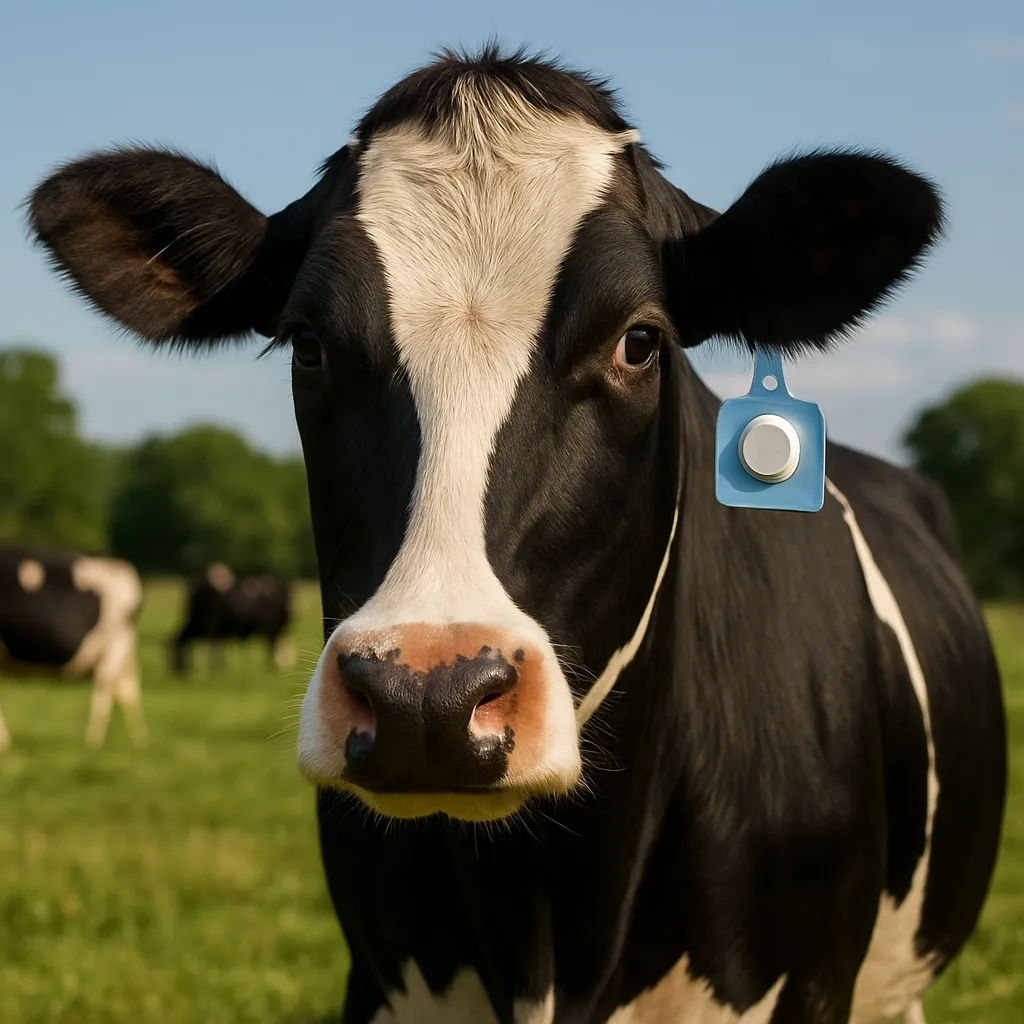
The integration of smart tags within modern livestock management systems is transforming the way farmers monitor animal health, track movement, and optimize productivity. These small, embedded devices leverage RFID technology, sensors, and wireless connectivity to collect critical data on each animal’s behavior and environment. When coupled with cloud-based platforms and advanced analytics, smart tags deliver unprecedented levels of traceability, precision, and real-time decision-making. This article explores the underlying technology, the clear benefits for agricultural stakeholders, and the practical steps needed for successful implementation.
Technology and Components of Smart Tag Systems
At the core of every smart tag solution lies a microchip and antenna that communicate with external readers. The following subsections describe the main elements that enable seamless animal monitoring:
1. Radio Frequency Identification (RFID) Modules
- Passive vs. active RFID: Passive tags harvest energy from the reader’s signal, while active tags include a battery for extended range and functionality.
- Frequency ranges: Low-frequency (LF), high-frequency (HF), and ultra-high-frequency (UHF) each offer distinct trade-offs in terms of read range, speed, and penetration through organic tissue.
2. Integrated Sensors
- Temperature sensors: Detect fever or hypothermia risks to prevent disease outbreaks.
- Accelerometers and gyroscopes: Monitor activity levels, rest patterns, and feeding behaviors.
- Geolocation chips: Provide GPS or triangulation-based position tracking for herds that graze over large areas.
3. Connectivity and Power Solutions
- Wireless networks: LoRaWAN, NB-IoT, or cellular networks enable data transmission from remote fields to central servers.
- Energy harvesting: Solar cells or kinetic energy converters can extend battery life and reduce maintenance needs.
- Antennas and gateways: Strategically placed on barns or grazing areas to maintain continuous coverage.
Benefits for Farm Management and Animal Welfare
Implementing a robust smart tag infrastructure brings a range of measurable advantages.
Traceability and Compliance
Global supply chains demand rigorous record-keeping and traceability of animal origins from birth to processing. Smart tags enable:
- Automated recording of birth dates, vaccinations, and transfer of ownership.
- Instant access to health histories for regulatory audits.
- Enhanced consumer confidence by providing transparent product provenance.
Health Monitoring and Early Intervention
Subtle changes in behavior can signal illness long before visible symptoms appear. By continuously collecting real-time physiological and movement data, farmers can:
- Identify fever spikes or abnormal gait patterns using temperature and motion sensors.
- Design targeted treatment plans that reduce medication overuse.
- Minimize the spread of disease through prompt isolation of affected animals.
Operational Efficiency and Productivity
Time and labor are significant cost centers in animal husbandry. Smart tags contribute to higher efficiency by:
- Automating routine tasks such as counting animals during mustering.
- Optimizing feed distribution based on individual weight gain and consumption rates.
- Reducing manual data entry errors and associated administrative burdens.
Environmental and Sustainability Gains
Sustainable agriculture demands careful resource use. Technology-driven tracking assists in:
- Precise allocation of water and nutrients to minimize runoff and soil degradation.
- Calculating carbon footprints by monitoring methane emissions linked to feeding patterns.
- Planning rotational grazing schedules that preserve pasture health and biodiversity.
Implementing Smart Tag Solutions on the Farm
Transitioning to a data-driven livestock operation requires strategic planning and investment. Farmers should consider the following steps:
Needs Assessment and Goal Setting
Begin by identifying priority areas where precision monitoring can generate the greatest return on investment:
- Is herd health the top concern, or is traceability for export markets driving change?
- What budget constraints and technical expertise are available?
Pilot Testing and Scaling
A phased rollout reduces risk and improves adoption:
- Deploy smart tags on a subset of animals for a trial period.
- Evaluate system performance, data accuracy, and ease of integration with existing farm software.
- Scale up gradually, incorporating lessons learned and refining protocols.
Data Management and Analytics
Collecting massive volumes of sensor data is only useful if actionable insights can be extracted:
- Implement dashboards that highlight anomalies or patterns requiring attention.
- Apply machine learning algorithms to predict health events and optimize feeding regimes.
- Train staff to interpret alerts and make informed decisions promptly.
Training and Change Management
Successful projects hinge on user engagement:
- Conduct workshops to demonstrate system features and troubleshooting steps.
- Establish protocols for device maintenance, battery replacement, and data backups.
- Encourage feedback loops for continuous improvement.
Future Trends and Emerging Challenges
The agricultural technology landscape is evolving rapidly. Several developments are poised to shape the next generation of livestock tracking:
Edge Computing and On-Device Intelligence
Embedding analytics within the smart tag itself reduces network dependency and accelerates response times. Future devices may:
- Execute anomaly detection algorithms locally and trigger alerts directly from the field.
- Filter and compress raw sensor streams, lowering transmission costs.
Integration with Automated Systems
Robotic feeders, autonomous drones, and smart barns could collaborate with animal-worn tags to:
- Deliver individualized feed ratios based on live weight updates.
- Conduct remote wellness checks via aerial thermal imaging synced with tag data.
Data Security and Ethical Considerations
As farms become more connected, safeguarding sensitive information is critical:
- Encrypt communications between tags and cloud servers to prevent unauthorized access.
- Establish clear data ownership and sharing policies that respect farmer privacy.
Cost Reduction and Accessibility
Wider adoption will depend on lowering barriers to entry for small and medium enterprises:
- Economies of scale driving down the cost of sensors and tag modules.
- Open standards for interoperability between different vendors’ platforms.