Community-based seed exchange programs represent a grassroots movement reshaping modern agriculture. By connecting gardeners, smallholders, and enthusiasts, these initiatives foster local networks dedicated to sharing, conserving, and multiplying plant genetic resources. Through trust-building and hands-on learning, participants gain practical knowledge that extends far beyond mere seed swapping. This approach bolsters biodiversity, enhances food security, and renews cultural ties to ancestral farming practices.
Importance of Seed Diversity
Maintaining a wide array of crop varieties is critical for the long-term resilience of agricultural ecosystems. Monocultures, while efficient for large-scale production, leave fields vulnerable to pests, diseases, and climate extremes. Local varieties—often referred to as landraces—have coevolved with specific microclimates, soil types, and cultural preferences. By preserving these genetic lineages, communities ensure a reservoir of traits such as drought tolerance, pest resistance, and unique flavors.
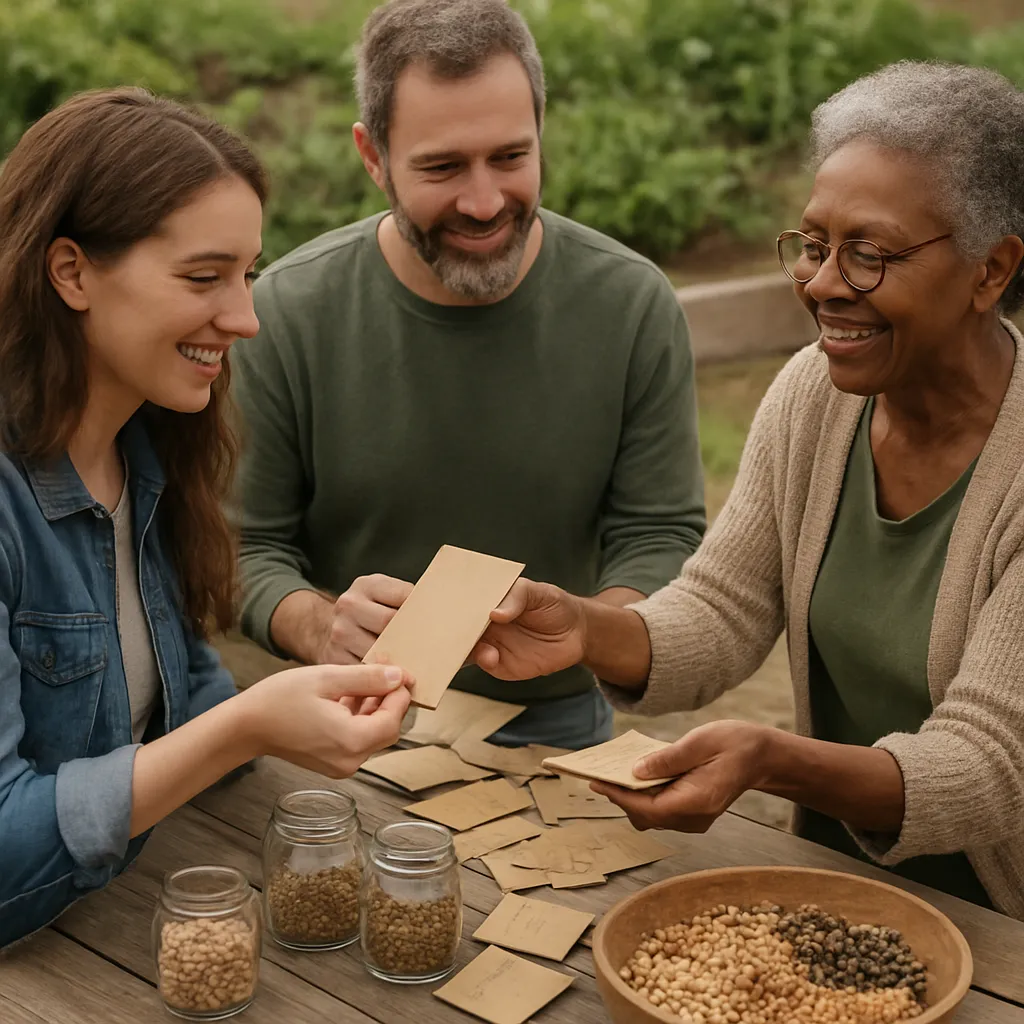
Seed exchange networks emerge as powerful platforms for conserving heirloom strains and regionally adapted cultivars. When people share seeds of ancient grains, colorful beans, heirloom tomatoes, or traditional peppers, they pass on a wealth of genetic information. Each seed packet carries the legacy of countless seasons of selection and adaptation. The act of exchanging seeds thus becomes an expression of stewardship toward the land, and a statement of faith in small-scale diversity as a buffer against global uncertainties.
Beyond genetic preservation, diversity enriches culinary cultures and local economies. Farmers and gardeners experiment with rare varieties, creating niche markets and value-added products. Chefs and food artisans celebrate unusual colors, shapes, and tastes, turning them into signature dishes that highlight regional identity. As consumer demand for unique flavor profiles grows, so does the incentive to maintain and multiply diverse seeds.
Community Engagement and Program Design
Successful seed exchange programs rest on inclusive, well-structured frameworks. Organizers typically start by building a core group of volunteers, including experienced seed savers, agronomists, and local leaders. Clear guidelines help participants understand responsibilities around seed quality, labeling, and storage. Regular workshops teach best practices in seed cleaning, drying, and germination testing.
- Workshops and Training: Hands-on sessions introduce techniques for selecting the healthiest plants before harvest, ensuring genetic integrity and vigor.
- Cataloguing and Metadata: Detailed records accompany each seed lot, documenting origin, performance data, and any unique traits.
- Swap Events: Seasonal gatherings allow participants to exchange samples, share recipes, and discuss cultivation experiences.
- Digital Platforms: Online forums and databases extend reach, connecting regional networks and enabling bulk orders or mail swaps.
- Community Gardens: Demonstration plots showcase experimental varieties, offering real-world trials and educational tours.
Effective programs foster collaboration among farmers, urban gardeners, researchers, and policymakers. By forming partnerships with universities or non-profit organizations, networks gain access to lab facilities for genetic analysis and long-term storage in regional seed banks. This synergy bridges traditional knowledge with scientific research, promoting both innovation and time-tested practices.
Benefits and Challenges
Community-based seed exchange yields numerous advantages. First, it enhances local food sovereignty by reducing dependency on commercial seed corporations. Growers regain autonomy over the traits they cultivate, selecting for flavor, nutritional content, and adaptation to evolving climate conditions. Second, it builds social capital, as neighbors meet regularly, share resources, and learn from each other’s successes and failures.
Moreover, these networks act as living laboratories. When a new pest emerges, diverse plantings increase the likelihood that some varieties will display natural resistance, preventing complete crop losses. Conversely, commercial monocultures can be wiped out swiftly when a pathogen adapts. The rich tapestry of local varieties mitigates risk by distributing genetic buffers across multiple fields and gardens.
Despite clear benefits, several hurdles persist. Ensuring seed purity requires labor-intensive cleaning and careful record-keeping. Volunteers must balance enthusiasm with scientific rigor to avoid inadvertent mixing of varieties. Intellectual property laws and seed regulations sometimes conflict with informal exchange, leading to legal ambiguities. Groups often navigate complex licensing issues when dealing with patented or breeder-protected seeds.
Funding and long-term sustainability present additional challenges. Seed exchanges require storage facilities with controlled temperature and humidity. Maintaining such infrastructure can strain the budgets of small non-profits. Grants and donations help, but they can be irregular. Some communities establish social enterprises—selling value-added products or certified seed—to generate revenue and underwrite program costs.
Case Studies and Future Directions
In the Appalachian region of the United States, a network of farmers revived over fifty rare bean varieties through annual swap fairs. By pooling resources, they established a shared cold-storage facility that preserves seeds year-round. Meanwhile, in East Africa, women’s cooperatives launched mobile seed libraries, delivering packets to remote villages. These libraries include QR-coded tags with cultivation tips, germination rates, and local success stories.
Looking ahead, technology promises to amplify impact. Smartphone apps facilitate real-time exchange of cultivation data, weather observations, and pest alerts. Citizen science projects engage youth in plant breeding, inspiring a new generation of farmers. By integrating blockchain for transparent provenance tracking, seed networks can assure buyers of authenticity and ethical sourcing.
Ultimately, community-based seed exchange programs represent a dynamic intersection of culture, ecology, and economy. They strengthen resilience against uncertainties while celebrating the tradition of shared harvests. Through collective action, participants nurture gardens that embody principles of sustainability and cultural preservation. As these networks grow, they carry forward a powerful message of hope and empowerment for future stewards of the land.