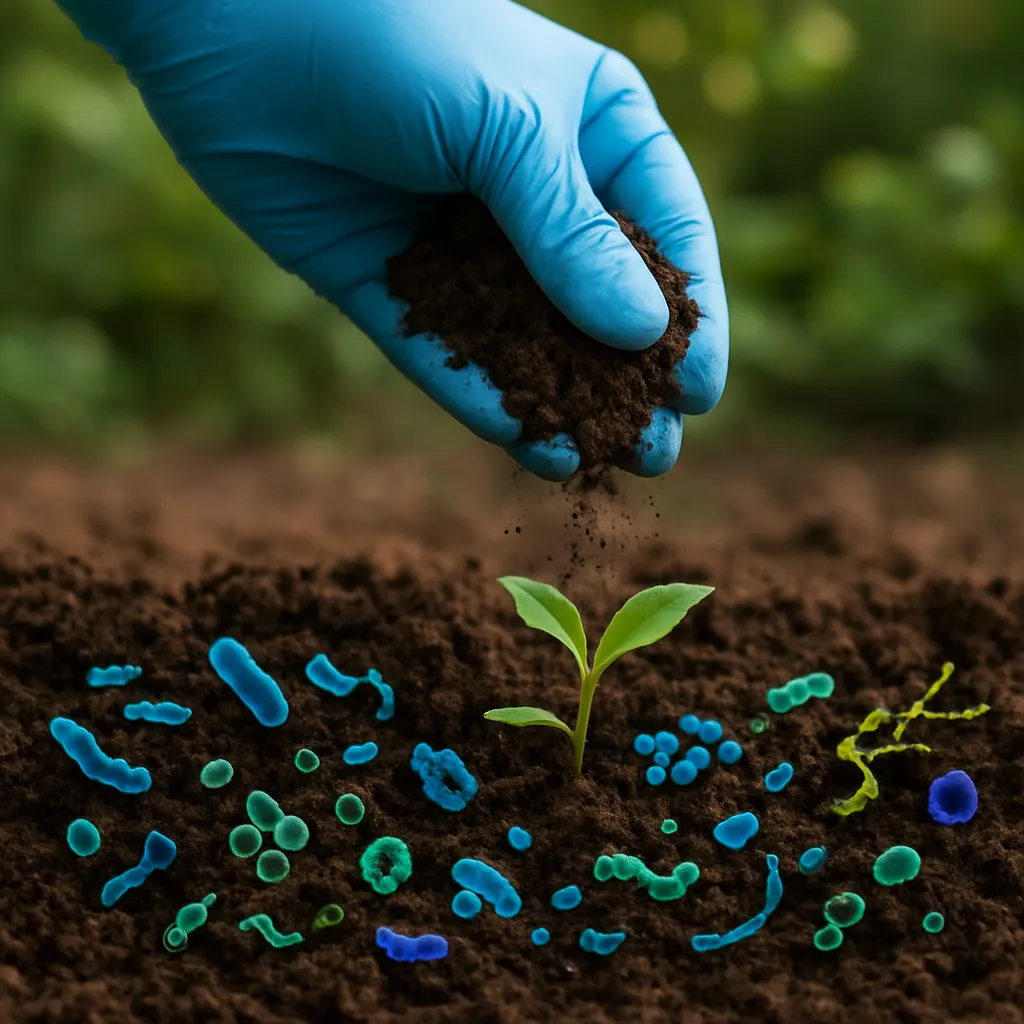
Biological soil remediation harnesses the power of naturally occurring or introduced microorganisms to restore degraded agricultural land. This approach not only addresses contamination issues but also promotes long-term soil health and sustainability. By leveraging a deep understanding of microbial metabolism and ecology, farmers and soil scientists can remediate soil impacted by heavy metals, pesticide residues, hydrocarbon spills, and other pollutants. The following sections explore the underlying mechanisms, real-world applications, implementation strategies, and future directions of microbial-based soil restoration in agriculture.
Microbial Mechanisms for Soil Restoration
Biodetoxification via Enzymatic Pathways
Microorganisms secrete a diverse array of enzymatic proteins that catalyze the breakdown or transformation of toxic compounds. Enzymes such as dehalogenases, oxidoreductases, and hydrolases convert complex molecules into simpler, less harmful forms. For example, certain bacteria possess organophosphorus hydrolases capable of degrading persistent pesticide residues into non-toxic metabolites. Fungi, including white-rot species, produce ligninolytic enzymes that attack polyaromatic hydrocarbons, facilitating the turnover of recalcitrant contaminants in the rhizosphere.
Bioaugmentation and Biostimulation
To accelerate in situ remediation, practitioners apply two complementary strategies. Bioaugmentation involves introducing specialized microbial strains or microbial consortia with proven degradative capabilities. These cultures may include bacteria from genera such as Pseudomonas, Rhodococcus, and Burkholderia. Alternatively, biostimulation enhances the activity of indigenous soil communities by adding nutrients, electron donors, or substrates that stimulate microbial growth. Molasses, composted biomass, or tailored nutrient solutions can shift community dynamics toward pollutant-degrading populations without altering the native ecosystem.
Practical Applications in Agricultural Fields
Remediation of Pesticide-Contaminated Soils
Long-term agricultural use of organochlorines and organophosphates leads to soil accumulation, harming earthworms, beneficial fungi, and crop productivity. In field trials, inoculation with mixed cultures of Flavobacterium and Bacillus species achieved a 70–90% reduction in chlorpyrifos levels within 60 days. The process relies on successive enzymatic steps transforming the active ingredient into phosphoric acid and chloride ions. Combined with no-till practices and crop rotations, microbial treatment reduces pesticide leaching into groundwater, safeguarding water resources and biodiversity.
Heavy Metal Detoxification and Immobilization
Contamination by heavy metals—such as cadmium, lead, and arsenic—poses a significant threat to food safety. Certain soil bacteria and fungi employ biosorption, bioaccumulation, and biomineralization to sequester or transform metal ions. For instance, metal-resistant strains of Rhizobium can immobilize cadmium through extracellular polymeric substances, effectively reducing bioavailability. Arsenic-resistant Pseudomonas putida oxidizes arsenite to the less mobile arsenate, which precipitates under alkaline conditions. Such processes support phytoremediation when integrated with hyperaccumulator plants, creating a synergistic approach to metal removal.
Implementation Strategies and Field Techniques
Selection of Effective Microbial Consortia
Identifying robust microbial assemblages is critical to successful remediation. Screening involves isolating candidate strains from contaminated sites, characterizing metabolic pathways, and evaluating tolerance to local environmental conditions—pH, temperature, moisture, and competing flora. Modern omics techniques—metagenomics, transcriptomics, and proteomics—help reveal functional genes tied to pollutant transformation. Once a consortium is formulated, it is scaled up in bioreactors, ensuring high cell density and viability for field application.
Integration with Agronomic Practices
Optimizing soil structure and fertility enhances microbial performance. Incorporating organic amendments—compost, green manure, or biochar—improves soil porosity, water retention, and nutrient cycling. Crop rotation with legumes boosts natural nitrogen fixation and fosters a diverse rhizosphere microbiome. Cover crops such as clover or vetch protect against erosion while secreting root exudates that sustain degradative microbes. Conservation tillage preserves soil aggregates and maintains microhabitats where introduced or native populations can proliferate.
- Precision irrigation systems maintain moisture at optimal levels for microbial metabolism.
- pH adjustments using lime or sulfur ensure enzyme activity remains high.
- Periodic soil testing monitors residual pollutant concentrations and microbial community shifts.
Challenges and Future Directions
While biological soil remediation offers an appealing alternative to physicochemical methods, several challenges must be addressed. Environmental variability can limit microbial survival, with seasonal fluctuations in temperature and moisture affecting metabolic rates. Horizontal gene transfer among soil organisms may spread resistance traits unpredictably. Ensuring regulatory compliance and public acceptance requires transparent risk assessment and demonstration of long-term safety.
Advances in synthetic biology present opportunities for engineering microorganisms with enhanced degradation pathways or stress tolerance. However, ethical and ecological considerations must guide the release of genetically modified strains into open environments. Real-time monitoring technologies—biosensors, remote sensing, and drone-based multispectral imaging—can provide rapid feedback on remediation progress, enabling dynamic adjustments to treatment protocols.
Collaborative research involving agronomists, microbiologists, and policymakers is essential to mainstream microbial bioremediation in agriculture. Integrating ecological principles with cutting-edge biotechnology will shape future strategies for restoring polluted soils, enhancing crop yields, and protecting ecosystem services without compromising environmental integrity.