Innovations in vineyard maintenance are redefining the way growers manage rows of vines, optimize yields, and reduce labor costs. By leveraging advanced technologies, winemakers can enhance both the quality and quantity of their grapes. The integration of cutting-edge equipment into traditional agricultural practices ensures that every phase of the grape growing cycle becomes more accurate and less labor-intensive.
Technologies Powering Vineyard Robotics
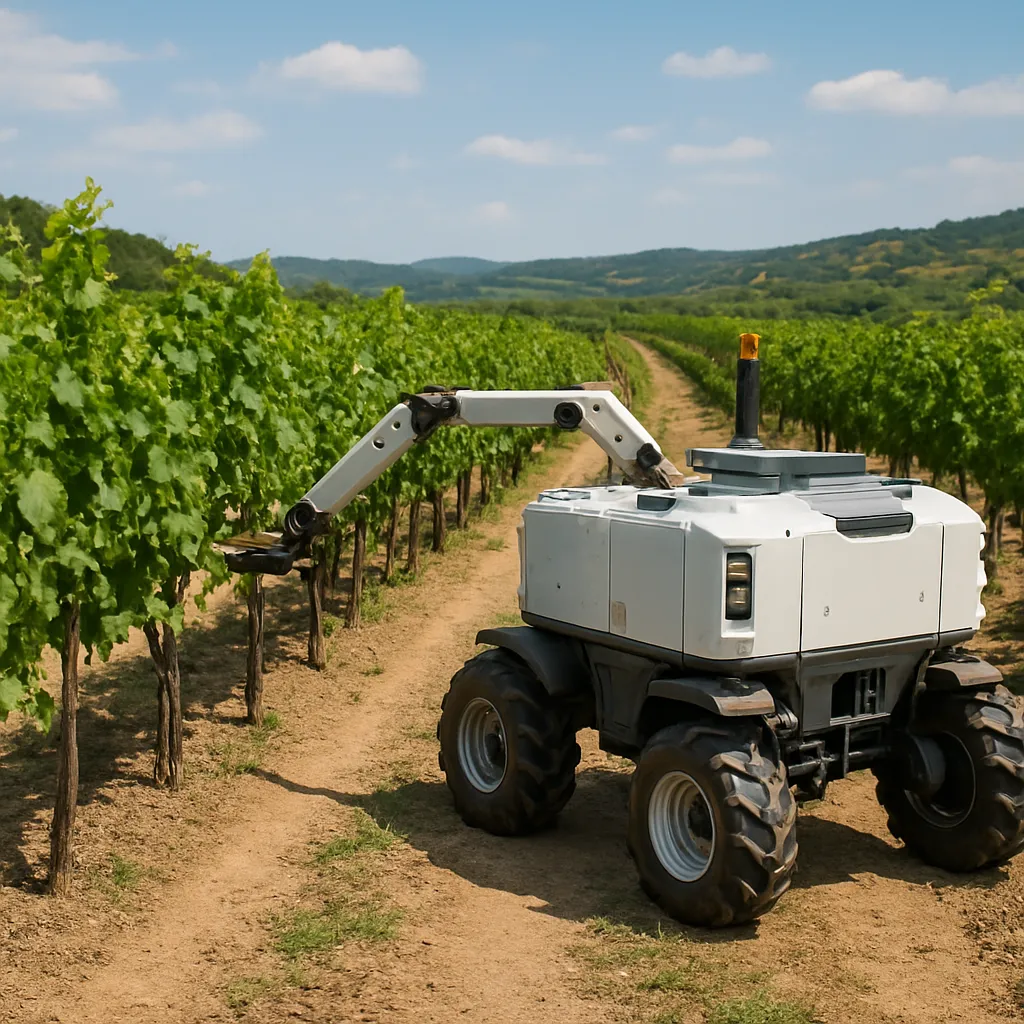
Modern vineyard robots combine multiple engineering disciplines to deliver a highly precision-driven approach. These machines rely on state-of-the-art hardware and software systems that work in concert to navigate challenging terrains, identify plant health issues, and execute tasks with minimal human supervision.
Navigation and Mobility
- GPS Guidance: Satellite positioning allows for row-by-row traversal, ensuring consistent coverage.
- LiDAR Systems: Light detection and ranging provides real-time mapping and obstacle avoidance.
- All-Terrain Wheels and Tracks: Designed to minimize soil compaction while maintaining stability on slopes.
Perception and Sensing
- Multispectral Cameras: Capture images across various wavelengths, highlighting stress or disease.
- Optical Sensors: Assess vine structure, leaf density, and fruit load through visual analysis.
- Soil Moisture Probes: Insert directly into the ground to monitor hydration levels, promoting sustainability.
Control Systems and AI Integration
- Machine Learning Algorithms: Enable adaptive behavior based on environmental feedback.
- Autonomous Path Planning: Dynamically updates routes to account for unexpected obstacles or terrain changes.
- Cloud Connectivity: Facilitates remote monitoring, firmware updates, and large-scale data aggregation for analysis.
Core Applications in Vineyard Maintenance
Robotic solutions address a range of essential vineyard tasks that were once labor-intensive and time-consuming. By automating these processes, growers achieve greater throughput and consistent quality across their blocks.
Weeding and Under-Vine Management
Weed control is crucial for preserving nutrients and water for vines. Robots equipped with mechanical weeders or targeted herbicide sprayers can navigate between rows to:
- Detect weed species using image recognition, minimizing chemical usage.
- Physically remove or treat weeds with pinpoint accuracy.
- Adjust operational parameters based on real-time data on soil conditions and weather forecasts.
Canopy Management and Pruning
Proper canopy balance directly influences grape quality. Automated pruning systems utilize AI-driven analysis to:
- Identify canes for removal, preserving ideal leaf-to-fruit ratios.
- Perform selective cuts with robotic arms equipped with precision blades.
- Record pruning activity for traceability and future yield predictions.
Precision Spraying and Nutrient Delivery
Targeted application of pesticides and fertilizers reduces waste and environmental impact. Robotic sprayers feature:
- Variable-rate nozzles calibrated in real time to optimize dosage.
- Image-based detection of disease symptoms, ensuring early intervention.
- Integration with weather station data to avoid drift during windy conditions.
Yield Estimation and Fruit Monitoring
Accurate yield forecasting helps vintners manage harvest logistics and cellar capacity. Solutions include:
- High-resolution cameras that count clusters and estimate berry size.
- Thermal imaging to detect uneven ripening or water stress.
- Machine learning models that correlate visual indicators with expected tons per acre.
Advantages and Operational Challenges
Adoption of robotic systems brings a host of benefits but also presents hurdles that must be addressed through strategic planning and ongoing support.
Key Benefits
- Efficiency: Continuous operation day and night reduces reliance on seasonal labor.
- Consistency: Automated processes ensure uniform treatment across entire vineyard blocks.
- Cost Savings: Lower input usage and fewer manual hours translate to improved profit margins.
- Data-Driven Decisions: Aggregated sensor outputs empower growers to fine-tune cultural practices.
Main Challenges
- Initial Investment: High capital costs can be a barrier for small-scale operators.
- Technician Training: Skilled personnel are required to maintain and program robotic fleets.
- Terrain Variability: Uneven ground or irregular row spacing may necessitate custom machine configurations.
- Integration Complexity: Ensuring interoperability with existing farm management systems demands careful planning.
Future Trends and Innovations
Ongoing research is pushing the boundaries of what vineyard robots can achieve. Upcoming advancements promise to further streamline operations and elevate grape quality to new heights.
Swarm Robotics
Fleets of smaller, cost-effective units coordinate through distributed automation protocols to cover large areas efficiently. Benefits include:
- Redundancy: Failure of one unit has minimal impact on overall operation.
- Scalability: Growers can add or remove units to match seasonal demand.
- Collaborative Tasking: Robots can share mapping data to optimize coverage.
Advanced Sensing and Predictive Analytics
Incorporating hyperspectral imaging and advanced biosensors will enable:
- Early detection of vine disease at the cellular level.
- Real-time monitoring of soil nutrient depletion.
- Predictive models for timing the optimal harvest window, enhancing wine quality.
Energy-Efficient Power Solutions
Researchers are exploring solar-assisted power systems and improved battery technologies to extend field operation times. Key developments include:
- Lightweight photovoltaic panels integrated into robot chassis.
- Regenerative braking systems that recapture energy on slopes.
- Modular battery packs for rapid swapping and continuous use.
Human-Robot Collaboration
The next generation of vineyard robotics will emphasize seamless teamwork between machines and vineyard staff. Features under development:
- Augmented-reality interfaces for intuitive robot direction and supervision.
- Wearable haptic devices that allow workers to “feel” plant conditions remotely.
- Voice-activated commands for quick task adjustments in the field.