The integration of sustainable aquaculture into modern agricultural systems presents a transformative approach toward addressing global food security and environmental challenges. By merging principles of crop cultivation, livestock management, and aquatic farming, producers can optimize resource use, minimize waste, and foster resilience in the face of climate variability. This article explores several dimensions of sustainable aquaculture within the broader agricultural context, highlighting innovative techniques, synergies with terrestrial agriculture, and the multifaceted benefits that arise from responsible aquatic food production.
Synergies between Aquaculture and Agriculture
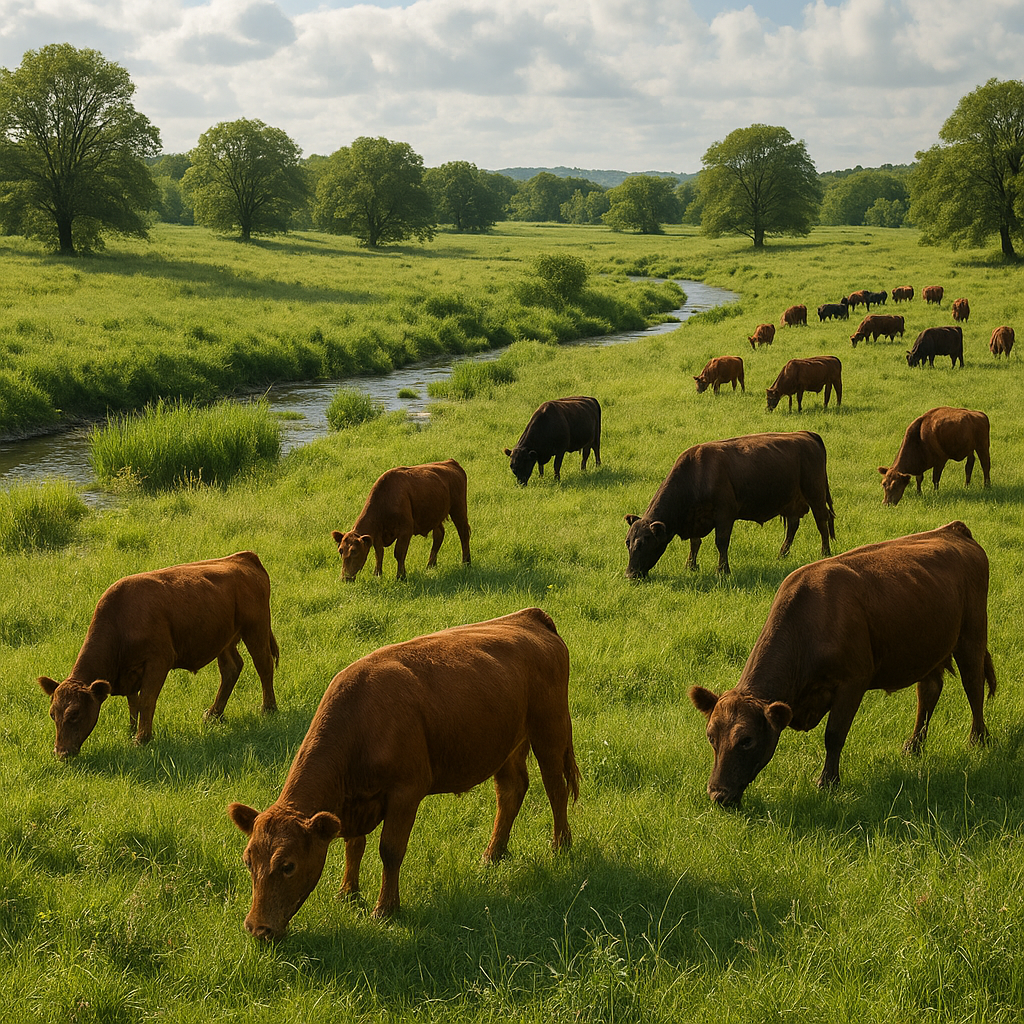
Combining aquatic and terrestrial farming systems has emerged as a strategy for achieving circularity and boosting overall farm productivity. Rather than treating aquaculture and agriculture as separate enterprises, integrated approaches harness nutrient flows, water recycling, and land-use optimization to reduce inputs and environmental impacts.
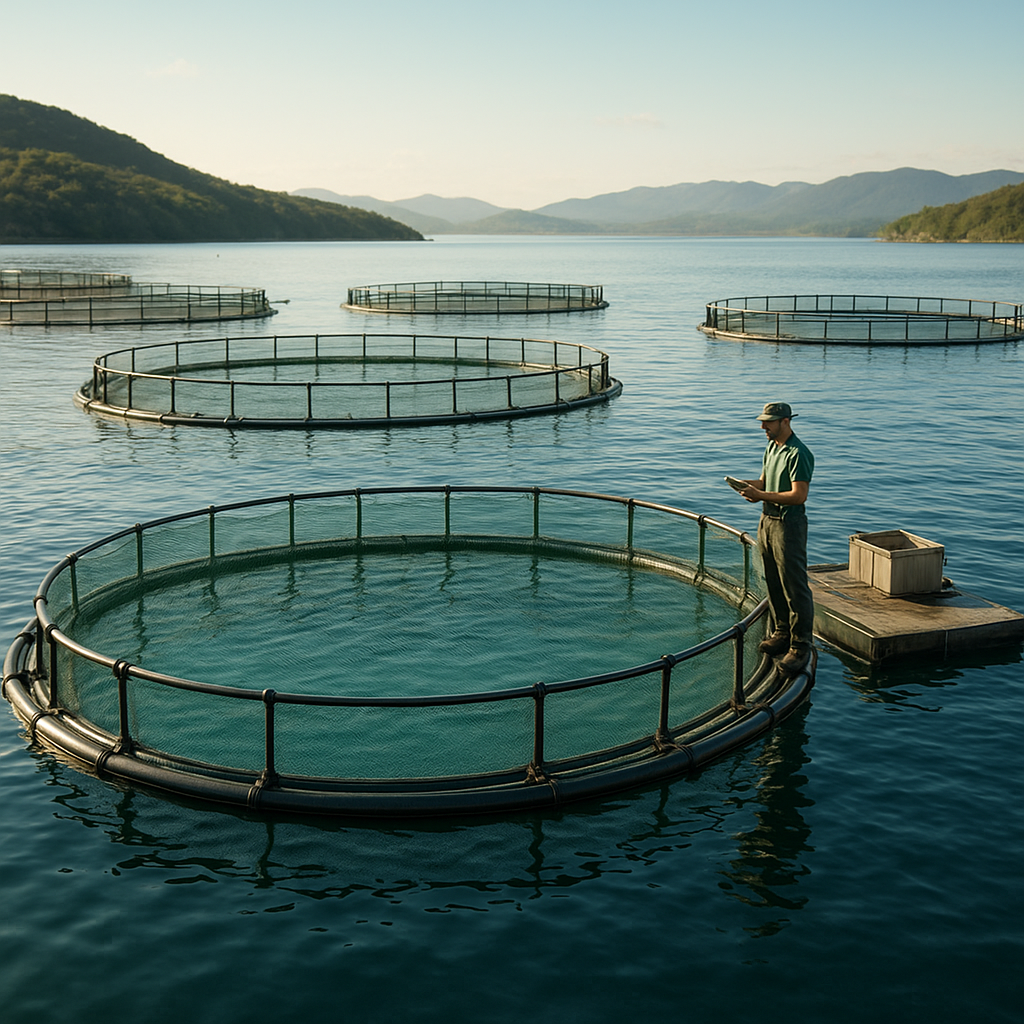
- Integrated Multi-Trophic Aquaculture (IMTA): In IMTA, species from different trophic levels—such as fish, shellfish, and seaweed—are co-cultured. Fish waste provides nutrients for filter-feeders and macroalgae, improving water quality while generating additional revenue streams.
- Aquaponics Systems: Aquaponics merges fish rearing with hydroponic crop production. Fish effluent, rich in nutrients like nitrogen and phosphorus, is circulated to plant beds, where crops uptake these nutrients. Purified water returns to fish tanks, creating a closed-loop system that conserves water and reduces fertilizer needs.
- Rice-Fish Culture: Traditional in parts of Asia, rice-fish culture involves rearing carp or tilapia in flooded rice paddies. Fish control pests and weeds, while their excrement serves as natural fertilizer, enhancing rice yields and diversifying farmer incomes.
These synergies demonstrate how waste streams from one component can become valuable inputs for another, thereby optimizing resource utilization and enhancing the resilience of farming operations.
Innovative Techniques for Sustainable Aquaculture
Technological advances and best management practices are paving the way for more responsible and environmentally friendly aquaculture operations. Key innovations include:
- Recirculating Aquaculture Systems (RAS): RAS technology treats and recycles water within a contained system, drastically reducing freshwater withdrawals and discharge volumes. Biofilters and mechanical filters remove ammonia and solid waste, while UV or ozone units control pathogens.
- Zero-Exchange Systems: Building upon RAS, zero-exchange systems aim to completely eliminate water exchange with the environment. Such systems rely on balanced microbial communities and advanced treatment modules to maintain water quality.
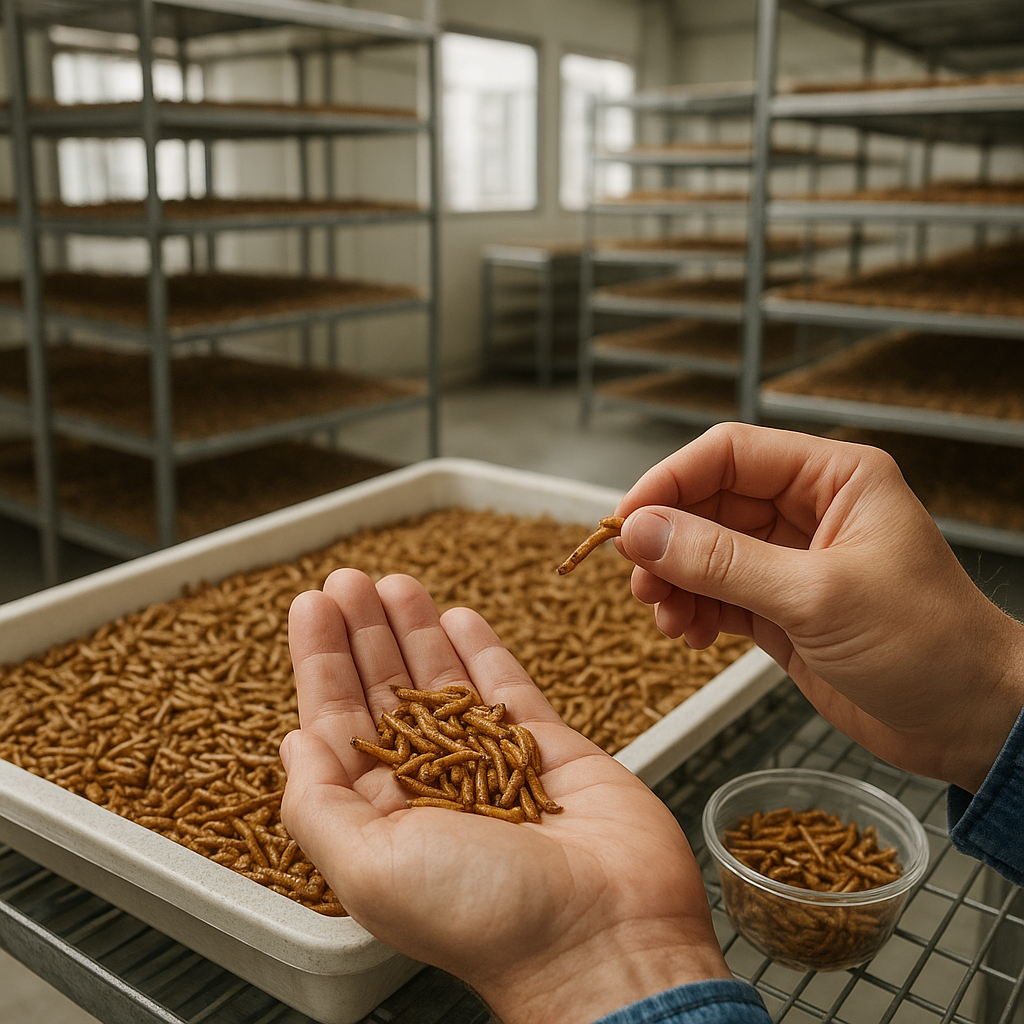
- Biofloc Technology: This method fosters dense suspensions of beneficial microbes that convert nitrogenous waste into microbial protein, which fish and prawns can consume. Biofloc reduces the need for external feed inputs while improving water parameters.
- Precision Feeding: Automated feeders equipped with sensors monitor fish behavior and appetite in real time, ensuring feed delivery matches consumption. By preventing overfeeding, farms reduce nutrient leaching, lower feed costs, and enhance feed conversion ratios.
- Genetic Improvement and Selective Breeding: Developing strains with better growth rates, disease resistance, and feed efficiency supports higher yields with reduced environmental footprint. Marker-assisted selection and genome editing tools accelerate the breeding process while maintaining genetic diversity.
Through these innovations, producers can attain higher yields per cubic meter of water, curtail pollutant discharges, and reduce reliance on wild fish stocks for feed ingredients, thus contributing to the preservation of biodiversity.
Environmental and Economic Benefits
Sustainable aquaculture, when effectively integrated with agriculture, offers a spectrum of ecological and socioeconomic advantages:
- Resource Efficiency: By recycling nutrients and water, integrated systems reduce the consumption of freshwater, synthetic fertilizers, and land area compared to conventional farming.
- Lower Greenhouse Gas Emissions: Improved feed utilization and reduced fertilizer production translate into smaller carbon footprints. Additionally, seaweed cultivation in IMTA sequesters carbon and can mitigate ocean acidification.
- Enhanced Food Security: Aquaculture supplies high-quality animal protein and essential fatty acids, addressing malnutrition in vulnerable populations. Its scalability supports localized production and shorter supply chains.
- Diversified Income Streams: Farmers adopting integrated models can market multiple products—fish, vegetables, seaweeds, and shellfish—thereby spreading financial risk and stabilizing household incomes.
- Improved Ecosystem Services: Healthy aquatic plants and filter-feeders maintain water clarity, reduce algal blooms, and bolster habitat structure for wild species, underpinning overall ecosystem resilience.
These benefits underscore the potential for sustainable aquaculture to serve as a cornerstone of climate-smart agriculture, helping meet the demands of a growing global population while safeguarding natural resources.
Challenges and Pathways Forward
Despite its promise, sustainable aquaculture faces several hurdles that must be addressed to unlock its full potential:
- Regulatory Complexity: Permitting processes vary widely between regions, leading to delays and uncertainty for investors. Harmonizing regulations and offering clear guidelines can accelerate sustainable farm development.
- Capital Intensity: Advanced systems like RAS require significant upfront investment. Access to affordable financing and public-private partnerships can lower economic barriers for small and medium-scale producers.
- Technical Capacity: Operating integrated systems demands expertise in engineering, microbiology, and agronomy. Investing in farmer training, extension services, and research collaborations is essential.
- Market Development: Consumer awareness of sustainably farmed seafood and vegetables remains limited in many regions. Certification schemes, labeling initiatives, and educational campaigns can build demand for responsibly produced goods.
- Disease Management: The risk of disease outbreaks in intensively managed systems can threaten both farmed and wild populations. Biosecurity protocols, vaccination programs, and selective breeding for disease resistance must be prioritized.
Overcoming these challenges will require concerted efforts from governments, industry stakeholders, research institutions, and civil society organizations. By fostering collaboration and innovation, the aquaculture sector can scale up best practices and drive systemic change.
Future Trends in Integrated Aquaculture-Agriculture Systems
Emerging trends promise to further enhance the sustainability and productivity of combined aquatic-terrestrial farms:
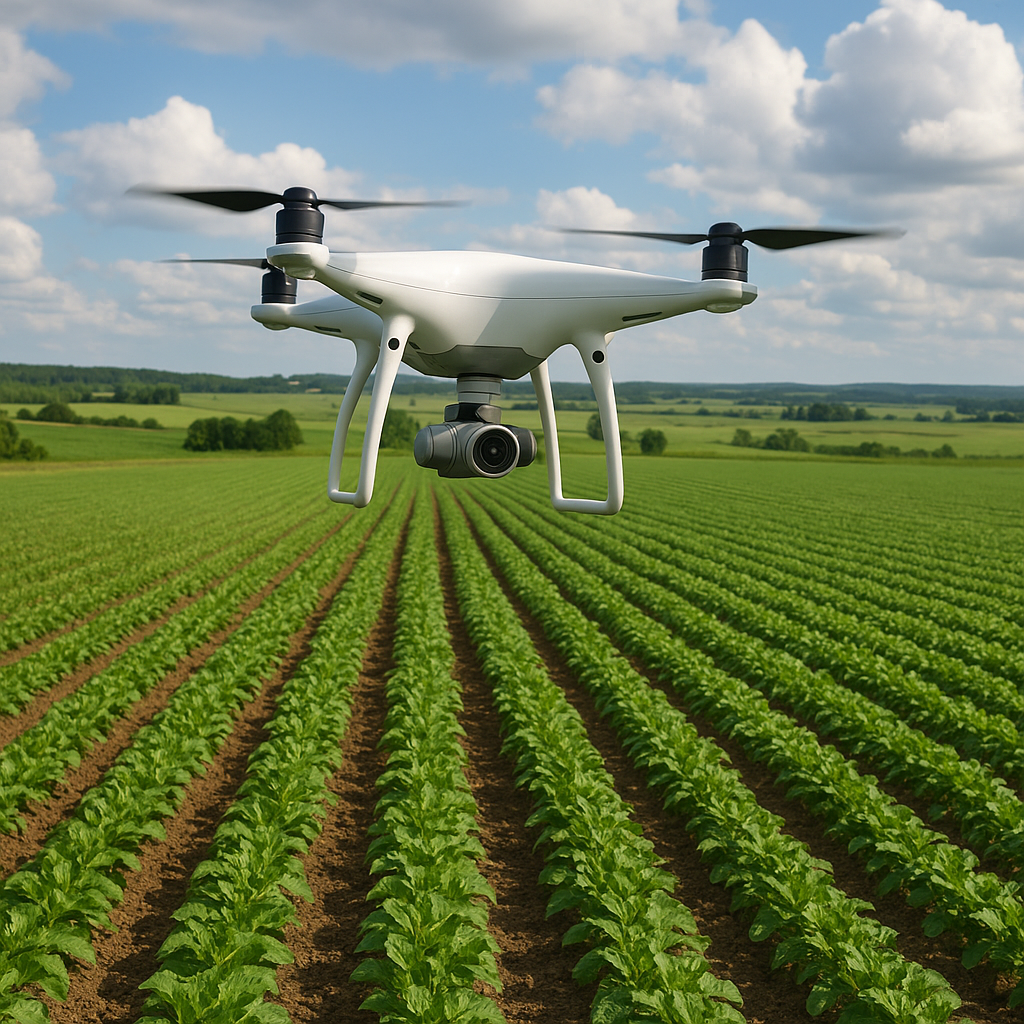
- Digital Farming Platforms: Internet of Things (IoT) sensors, machine learning, and blockchain-based traceability tools will optimize operational controls, ensure food safety, and authenticate sustainable sourcing.
- Agroecological Design Principles: Emphasizing biodiversity, ecological processes, and minimal external inputs, agroecological frameworks can guide the spatial arrangement of ponds, crop plots, and animal shelters to maximize ecological synergies.
- Mixed-Species Polycultures: Beyond fish and plants, integrating livestock, pollinator habitats, and beneficial insects can create multifunctional landscapes that support nutrient cycling and pest regulation.
- Circular Bioeconomy Approaches: Valorizing all by-products—such as chitin from crustacean shells, algae-derived bioactives, and manure-based biogas—will drive zero-waste ambitions and generate diversified revenue.
- Climate Adaptation Strategies: Designing systems for fluctuating water temperatures, extreme weather events, and shifting salinity regimes will be critical. Infrastructure improvements, robust species selection, and dynamic management plans can enhance resilience.
As these advancements converge, they hold the potential to redefine the future of food production, carving a path toward more equitable, productive, and ecologically harmonious agricultural landscapes.