Augmented Reality (AR) is revolutionizing the way farmers learn, practice, and refine essential skills in the field. By overlaying digital elements onto the real-world environment, AR provides an interactive platform that enhances traditional training methods. As agriculture evolves to meet rising demands and environmental challenges, AR-driven solutions are empowering growers to adopt more efficient, sustainable practices.
Overview of Augmented Reality in Agriculture
Emergence of AR Technologies
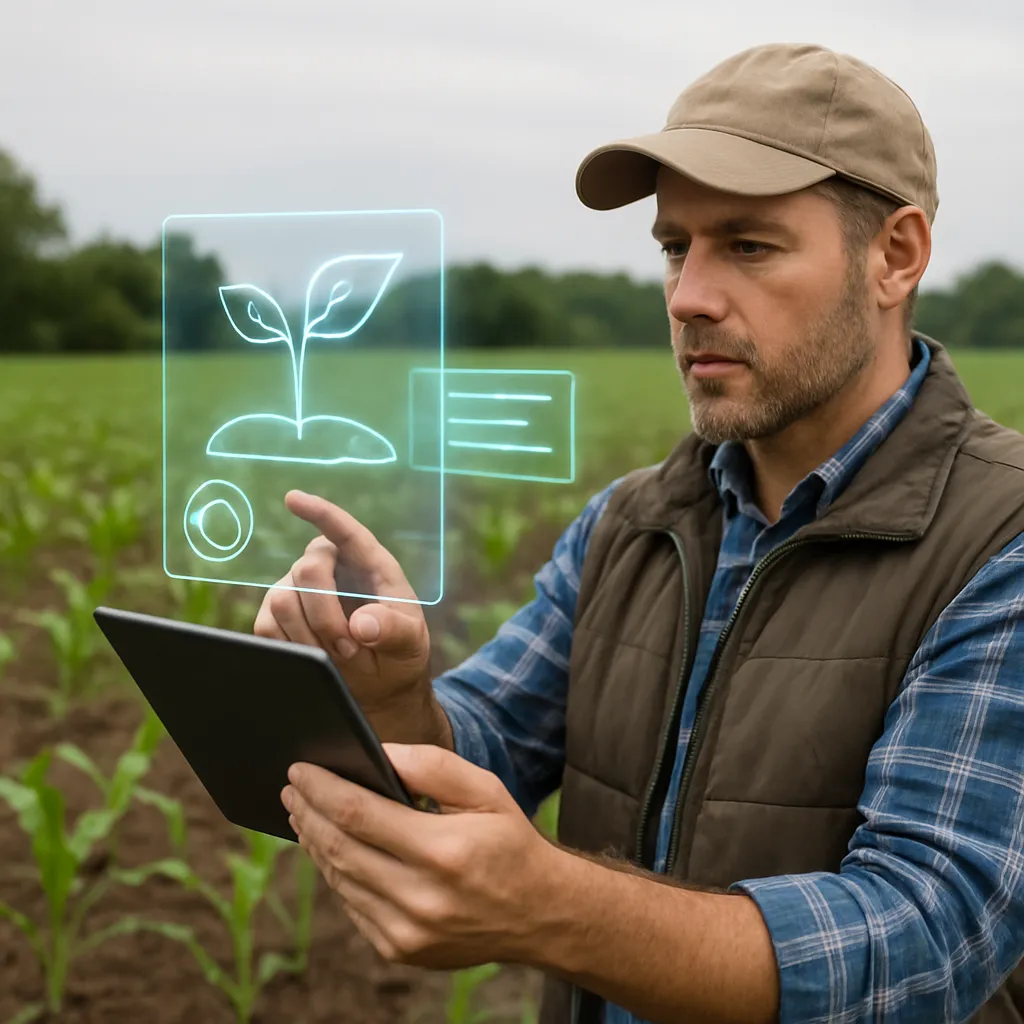
With rapid advancements in hardware and software, AR headsets and mobile devices now offer high-resolution displays and precise tracking capabilities. Farmers can engage with immersive 3D models of machinery, crops, and soil profiles. Such visualizations bridge the gap between theoretical knowledge and hands-on experience, enabling learners to visualize processes that were previously confined to textbooks. This shift heralds a new era of innovation and efficiency in agronomic training programs.
Integration with Precision Agriculture
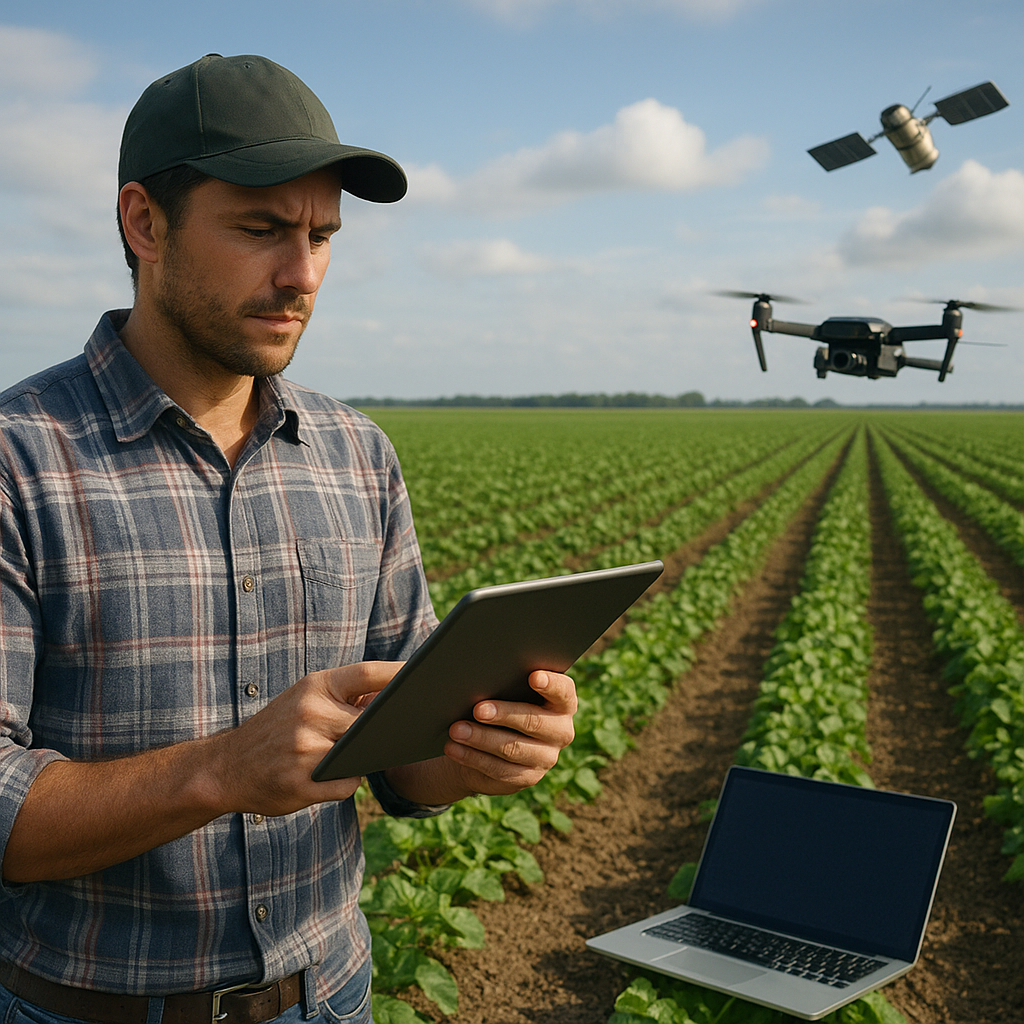
Precision agriculture relies on data-driven decision-making to optimize inputs such as water, fertilizer, and pesticides. By integrating AR with real-time sensor data and Geographic Information Systems (GIS), farmers can view overlays of nutrient maps, moisture levels, and pest hotspots directly in their field of vision. This combination enhances situational awareness and fosters data-informed management decisions that boost productivity and sustainability.
Benefits and Applications in Farmer Training
Hands-On Machinery Instruction
Operating modern tractors, combine harvesters, and robotic equipment can be daunting for new or transitioning farmers. AR tutorials project step-by-step guidance onto actual control panels. Users receive live prompts highlighting levers, buttons, and safety zones. This on-the-job simulation reduces downtime, lowers the risk of equipment damage, and accelerates skill acquisition. Through AR, learners build confidence in handling complex machinery without the pressure of real-world errors.
Crop Management Simulations
Training modules simulate common crop scenarios, including nutrient deficiencies, disease outbreaks, and pest invasions. Using AR-enabled smartphones or glasses, farmers can inspect virtual disease symptoms on plants and practice diagnostic procedures. Realistic overlays demonstrate correct sampling techniques and treatment protocols. Such interactive case studies reinforce best practices in integrated pest management (IPM) and promote proactive disease control strategies.
Livestock Care Demonstrations
Caring for large herds demands expertise in animal behavior, health monitoring, and facility maintenance. AR applications provide virtual walkthroughs of barns, milking parlors, and feeding stations. Users can identify signs of distress, learn proper restraint methods, and simulate emergency responses for situations like birthing complications. By practicing in a safe virtual environment, farmers refine their skills while minimizing stress to real animals.
Case Studies and Practical Implementations
Cooperative Extension Pilot Programs
Several agricultural extension services have launched pilot initiatives that integrate AR into field days and workshops. In one Midwestern region, a cooperative partnered with an AR developer to create a maize planting simulation. Farmers donned AR glasses to practice row spacing, seed depth adjustments, and planter calibration. Participants reported a 30 percent reduction in seeding errors the following season and improved fuel efficiency thanks to better calibration techniques.
Private Sector Collaborations
A leading equipment manufacturer introduced AR-assisted maintenance guides for its tractors. Technicians access animated overlays detailing hydraulic circuit paths, filter replacement steps, and torque specifications. This approach trimmed service times by 25 percent and reduced warranty claims. The success prompted the company to expand AR content to include remote assistance features, connecting field operators with offsite experts through live video and shared AR annotations.
University and Research Center Initiatives
Academic institutions are leveraging AR for research and curriculum development. One university’s agricultural engineering department created an AR orchard management tool. Students walk through a real apple grove wearing headsets that label trees with harvest dates, pruning needs, and pest risk levels. This interactive lab complements traditional lectures, fostering a deeper understanding of orchard dynamics and precision horticulture techniques.
Challenges and Future Perspectives
Technical and Infrastructure Barriers
Despite promising results, AR adoption faces hurdles. High initial costs of hardware, limited battery life, and the need for robust connectivity in rural areas can impede widespread implementation. Moreover, content development demands collaboration between agronomists, software engineers, and instructional designers. Ensuring the accuracy and relevance of virtual overlays requires continuous updates aligned with the latest research findings.
User Acceptance and Training Design
Farmers accustomed to traditional learning methods may be hesitant to embrace AR. Effective adoption hinges on user-friendly interfaces and training modules tailored to varied literacy and technical proficiency levels. Involving end users during the development phase fosters buy-in and helps create content that addresses real-world challenges. Peer-to-peer demonstrations and success stories also play a vital role in driving acceptance across farming communities.
Future Trends in Agricultural AR
- Integration with Internet of Things (IoT) networks for real-time data feeds
- Enhanced AI-driven analytics that personalize training pathways
- Cloud-based platforms enabling collaborative AR sessions among multi-site teams
- Lightweight wearable displays with extended battery life and ruggedized design
- Continuous updates incorporating regional agronomic insights and climate models
As AR hardware becomes more affordable and developers refine content, this technology will play an increasingly pivotal role in shaping the next generation of farmers. By blending digital guidance with real-world contexts, augmented reality training equips agricultural professionals with the skills and confidence needed to tackle emerging challenges and drive long-term resilience.